
Last updated November 21, 2026
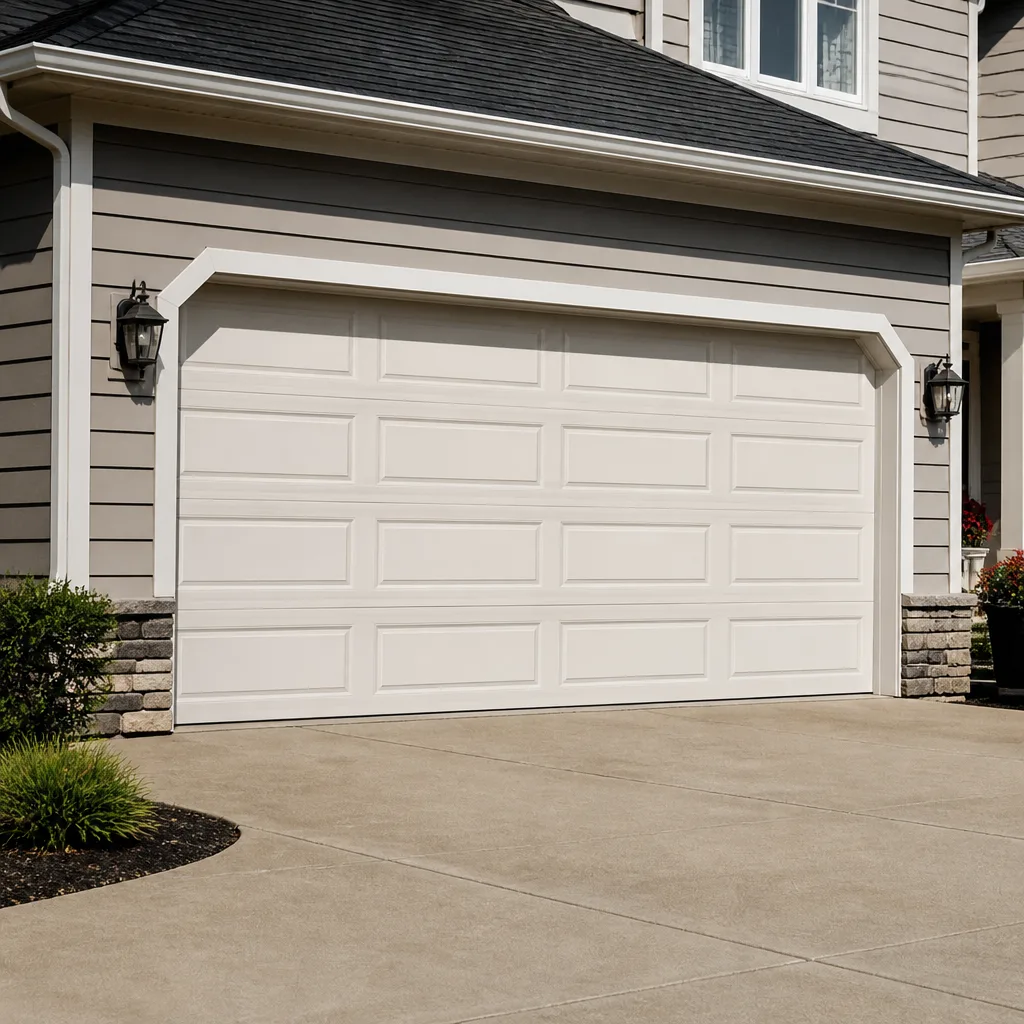 Raised-panel steel
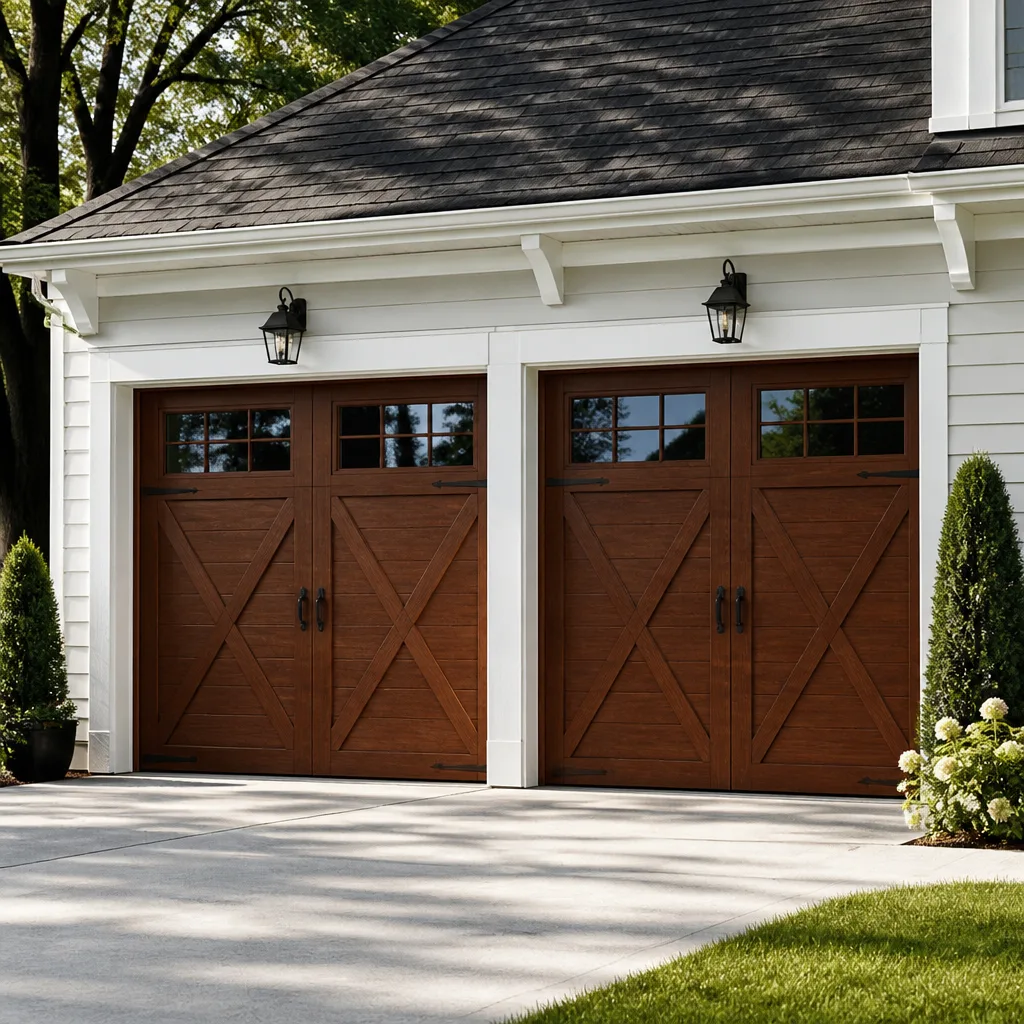 Carriage house
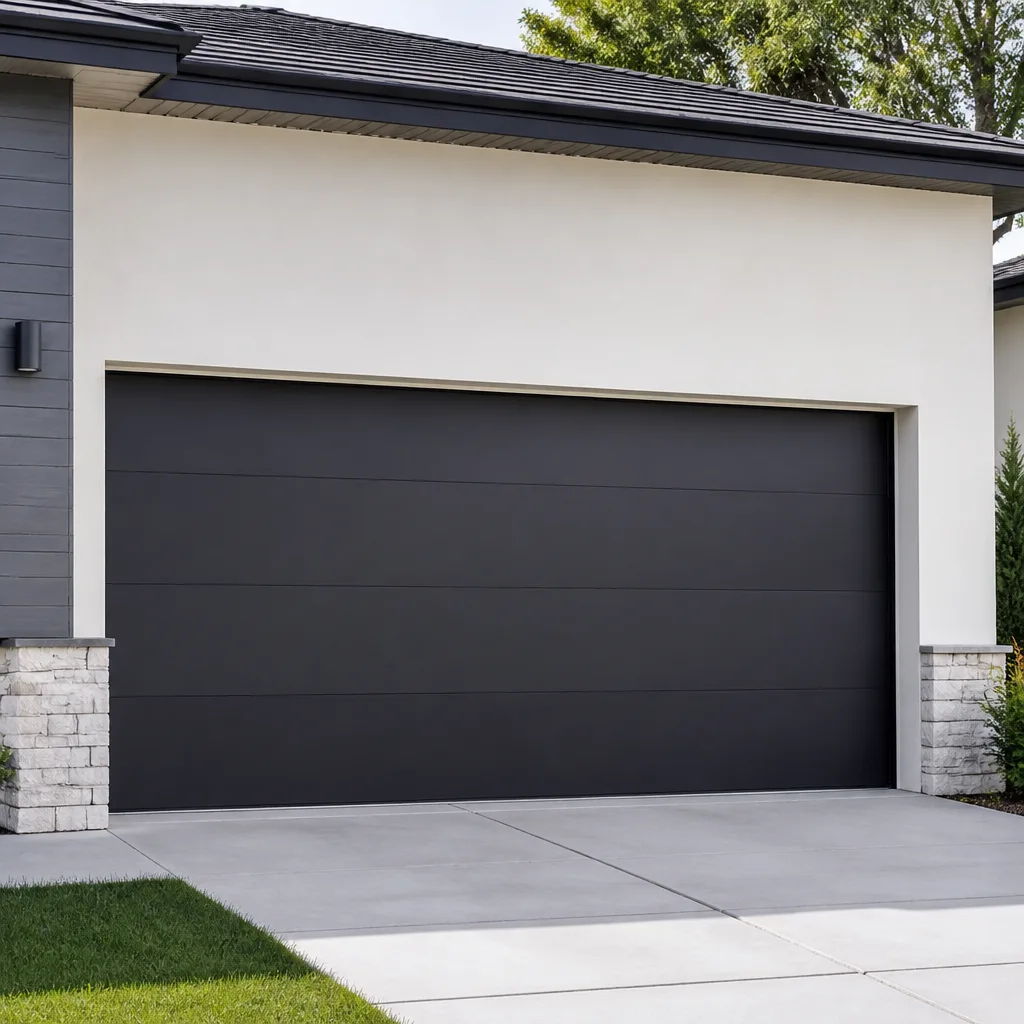 Modern flush
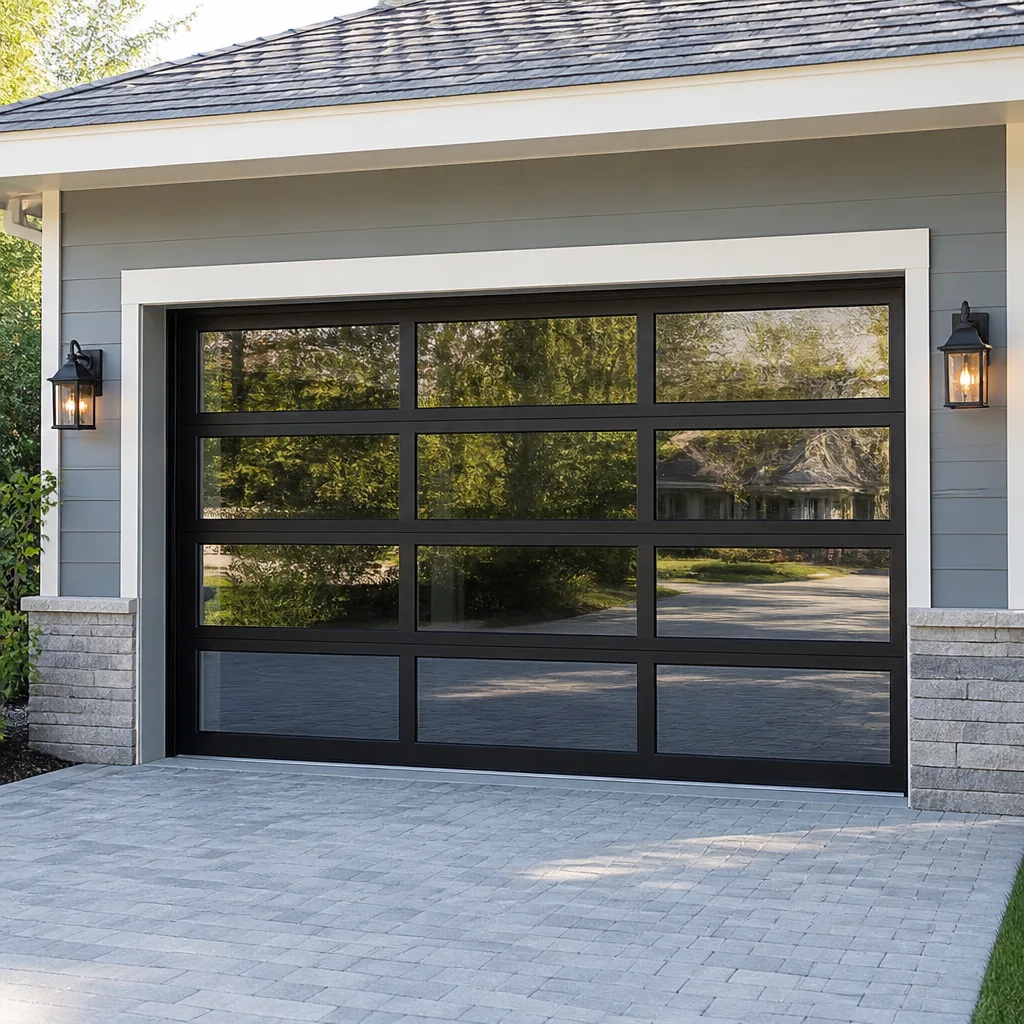 Full-view glass
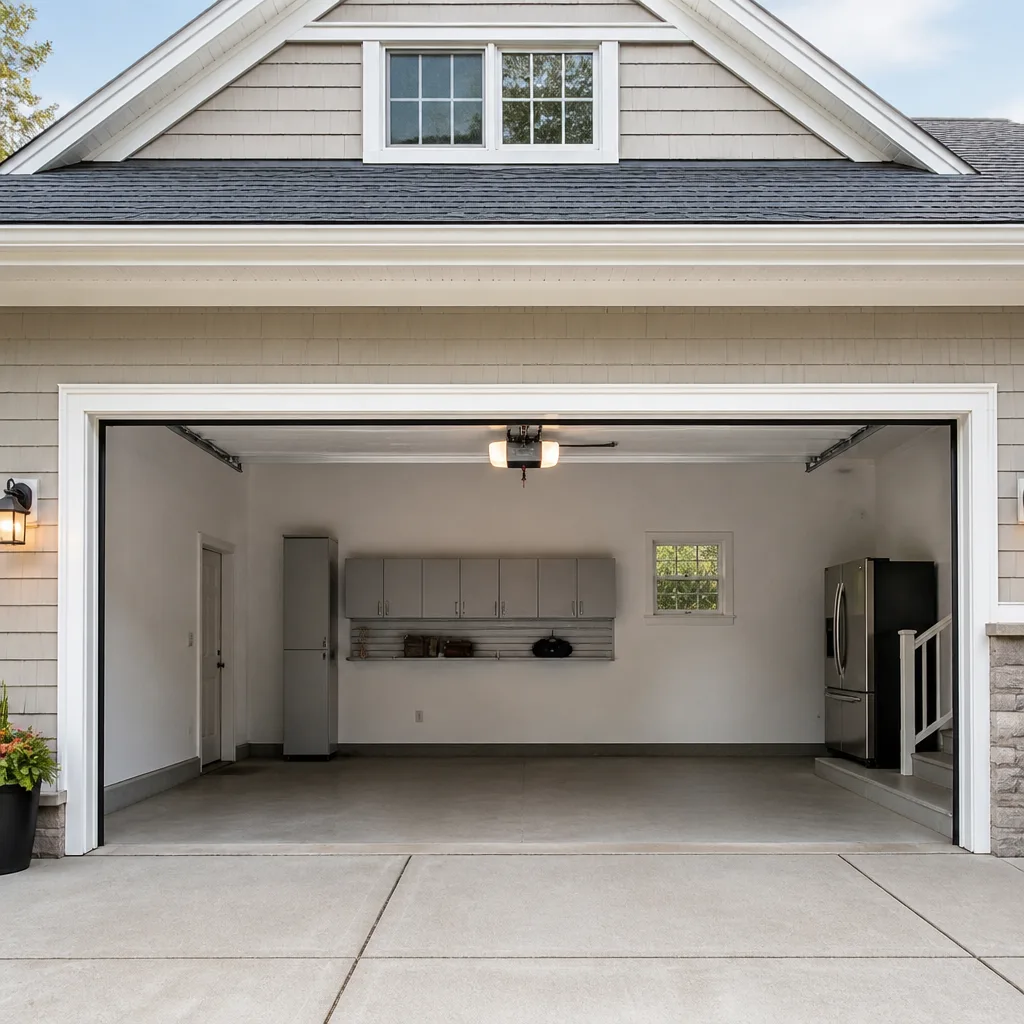 LiftMaster openers
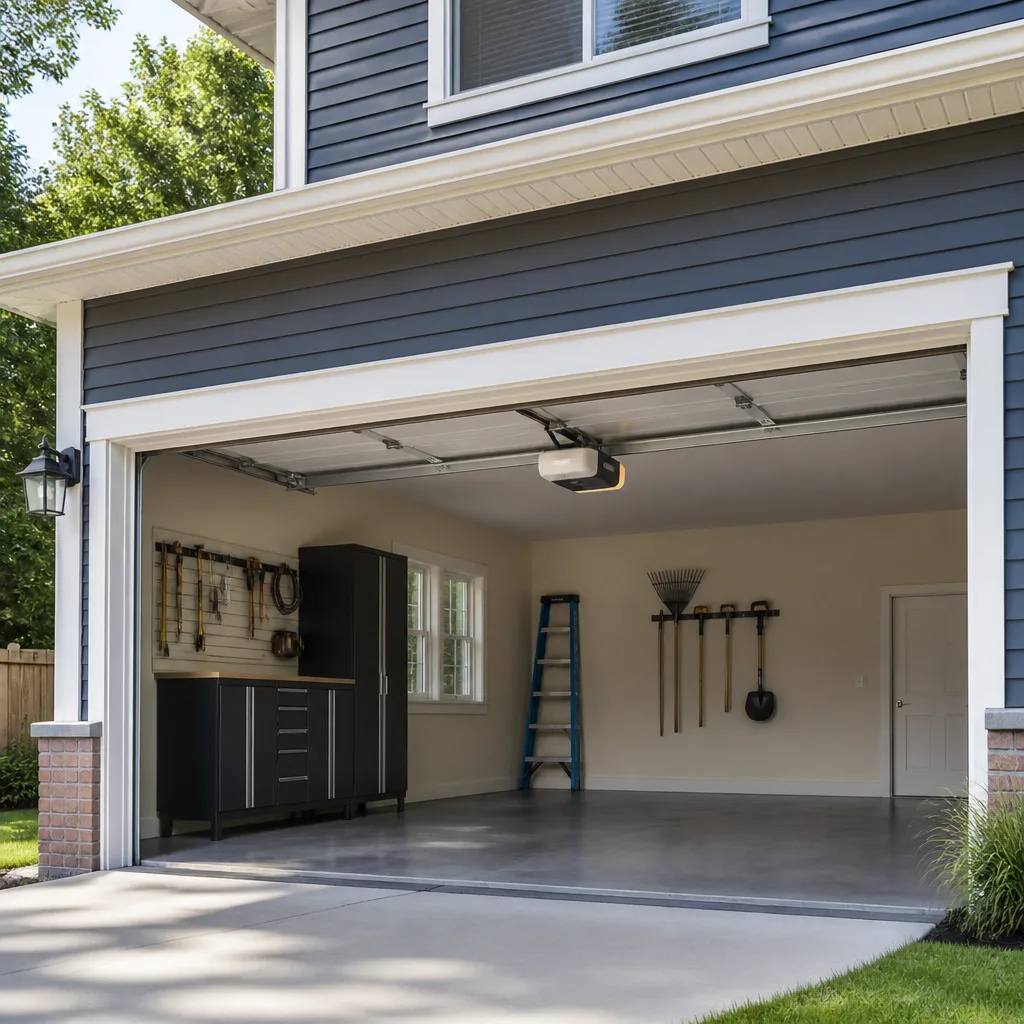 Chamberlain openers
Full 25-point door and opener safety check with every visit - springs, cables, rollers, tracks, and your LiftMaster or Chamberlain opener included
You get a price before we start. It does not change when the pro arrives.
Get your free estimateDIY vs Professional Garage Door: The Lakewood Homeowner’s Decision Guide
Most garage door advice splits into two useless camps: “never touch it, call a pro” and “you can fix anything with a YouTube video.” Neither is honest. The truth is that a garage door is a collection of jobs stacked on top of each other, and those jobs carry wildly different risk. Torsion springs store enough energy to break a wrist or send a tool through drywall when they release. That’s not a scare tactic – it’s physics. But replacing a bottom seal, programming a remote, or realigning a safety sensor? Those are genuinely DIY tasks that don’t require a service call. This guide draws that line clearly for Lakewood homeowners, task by task, with the mechanical reason behind each call.
Quick Answer
In Lakewood, about half of common garage door tasks are safe for a careful homeowner to handle: seals, lubrication, remote programming, sensor alignment, and visual inspections. The other half – torsion springs, cables, and anything involving the door’s counterbalance system – should go to a trained technician, because a single misstep can cause serious injury. The dividing line isn’t difficulty. It’s stored energy.
Styles & brands we work with
- Raised-panel steel
- Carriage house
- Modern flush
- Full-view glass
- LiftMaster openers
- Chamberlain openers
Table of Contents
- Green Zone: Tasks That Are Genuinely DIY-Safe
- Yellow Zone: DIY With Specific Precautions
- Red Zone: Professional Only, No Exceptions
- The Real Cost Math on DIY Spring Replacement
- Where Lakewood Homeowners Source Quality Parts
- New Jersey Code, Warranties, and Resale Implications
- How to Describe a Partial DIY Fix to a Technician
- How Lakewood’s Climate Affects What Breaks
- Common Mistakes to Avoid
Green Zone: Tasks That Are Genuinely DIY-Safe
These jobs involve no stored spring energy, no lifting of the door’s dead weight, and no high-voltage wiring. A homeowner with basic tools and a step stool can handle them. In our experience, these are also the tasks people most often overpay for because they assume everything on a garage door is a professional job.
What’s on the green list:
- Replacing the bottom weather seal. The rubber strip at the floor slides out of a track on the bottom section. Pull it, measure the width, buy a replacement, slide it in. No tools beyond a utility knife and maybe pliers.
- Lubricating hinges, rollers, and the torsion spring coil. Use a garage-door-rated lithium grease or silicone spray, not WD-40. Two or three times a year is enough.
- Programming a new remote. Every opener brand has a learn button and a set procedure. A LiftMaster or Chamberlain remote programs in under two minutes once you find the learn button.
- Aligning a safety sensor. If the door reverses before closing, the photo-eye sensors at the base of the tracks are misaligned or blocked. There’s a small LED on each sensor. Both should glow solid. Nudge the bracket until they do.
- Tightening loose hinge bolts. A socket wrench and five minutes. Snug, not torqued hard – the metal is thinner than it looks.
- Visual inspection of cables, springs, rollers, and panels. Look for fraying, rust, sagging, or bent track. Simply looking costs nothing and tells you when to call.
None of these require a service call in Lakewood. Doing them yourself keeps small problems small and saves you a scheduled visit for something you can finish before your coffee cools. If a green-zone task reveals a red-zone problem underneath, that’s your cue to stop and call.
Yellow Zone: DIY With Specific Precautions
The yellow zone is where homeowners get into trouble by treating a moderate job as easier than it is. These tasks can be done safely by a careful person who understands the mechanical risk, but they’re also where we see the most partial fixes that turn into bigger repairs. Nothing here is forbidden. Everything here demands respect.
- Replacing rollers. The door must be fully open and securely held before you touch a roller. Never remove a roller with the door in any partially open position – the cable can slack and the door can drop. Replace rollers one at a time and match the stem type exactly.
- Adjusting the opener’s travel limits and force settings. Most openers have two adjustment screws. Small quarter-turns only. Overshooting the force setting can make the door crush an obstacle instead of reversing, which is a safety failure, not a fix.
- Replacing a single damaged bottom panel. Doable on many sectional doors, but the panel must be the correct profile and gauge for the door model. A Clopay or Amarr panel from a different series won’t fit properly and can bind the tracks.
- Replacing the opener’s battery backup or capacitors on older units. If you’re comfortable with basic electronics and can identify the correct capacitor, this is manageable – but unplug the opener first and discharge the capacitor before touching it. If that sentence made you pause, hire it out.
- Adjusting track alignment after a minor bump. A rubber mallet and a level. If the track is bent rather than shifted, stop – you need a new section, not a nudge.
The pattern in the yellow zone: the job is doable, but the failure mode is subtle. You can finish it and think it worked, then discover three weeks later that a roller is binding or a panel has warped. Yellow-zone work rewards patience over speed.
Red Zone: Professional Only, No Exceptions
This is the line we won’t cross with a homeowner, no matter how handy they are. Red-zone tasks involve stored mechanical energy that can release without warning and without mercy. A torsion spring under tension holds the entire weight of the door. A cable holds that spring’s force in check. When either fails under load, the release is instantaneous.
The red zone:
- Torsion spring replacement or adjustment. The spring is wound to a specific number of turns based on door weight and height. Winding requires two properly sized steel rods and precise counting. A slipped rod can strike the person holding it. Springs are also matched to the door – putting in the wrong spring is nearly as dangerous as mishandling the right one.
- Extension spring replacement. Same energy class, different geometry. The spring runs along the horizontal tracks and can snap back violently if the safety cable isn’t installed correctly.
- Cable replacement or re-tensioning. Cables carry the full load of the door plus the spring. Slipping, kinking, or improperly seating a cable drum can cause catastrophic failure on the next cycle.
- Removing or reinstalling the door itself. A sectional door weighs 100 to 300+ pounds depending on width and insulation. Even with two people, the balance and track alignment must be exact or the door becomes unstable.
- Any work on a door where a spring has already broken and the door is being held up by opener force alone. This is a hazard on a spring timer. Stop operating the door and call.
For these tasks, professional cost isn’t an argument against doing it yourself – it’s the whole point. The correct spring sizing, the right tools, and the trained hands that know when something feels wrong are what you’re paying for. We’ve seen what a miswound spring does to a door, and it usually costs more to repair than the original job would have cost to do right.
Our technicians handle garage door spring repair every week. It’s one of the most technically demanding jobs on a residential door and one many general handymen won’t touch. That’s not a marketing claim – it’s a reason to call a specialist.
The Real Cost Math on DIY Spring Replacement
Homeowners often decide to replace a spring themselves because it looks like a fifty-dollar part and a Saturday of effort. The math rarely works out that way. Here’s what a DIY spring replacement actually costs when you count correctly.
- Spring: Quality torsion springs are not cheap. A properly sized, oil-tempered spring runs in the neighborhood of $40 to $90 for a single spring depending on wire gauge and cycle rating. A matched pair, which is almost always what you need, doubles that.
- Winding rods: Two 1/2-inch steel winding bars cost roughly $20 to $40 for a decent pair. Cheap rods bend or slip.
- Spring scale: To match the new spring to the door, you need to weigh the door or identify the original spring specs. Without it, you’re guessing. A scale is $20 to $40.
- Safety glasses, gloves, a proper ladder: If you don’t own them, add $50 to $100.
- Time: A first-timer should budget 2 to 4 hours including the learning curve, the door weight measurement, and careful winding. A pro does it in under an hour.
Total DIY outlay: $130 to $270 before anything goes wrong, plus a half-day. Now add the failure case. A miswound spring – wrong number of turns, wrong size, or incorrectly seated cable – can bind the door, damage the opener, or fail the first time it’s cycled. Fixing that bill from a technician is often higher than the original professional job would have been. In our experience, the DIY spring math only works out in the rare case where the homeowner already owns the tools, already knows the drill, and gets the sizing right on the first try.
Professional garage door spring repair isn’t cheap either, but you get a fixed outcome, a proper cycle rating, and no risk of injury. That’s the real comparison.
Where Lakewood Homeowners Source Quality Parts
The Lakewood area has no shortage of places to buy garage door parts, but the parts quality varies widely. This matters more than most homeowners realize. An undersized roller or a low-cycle spring will fail faster than the original equipment it replaced, and then you’re doing the job twice.
What’s actually available to Lakewood homeowners:
- Big-box hardware stores in the area carry basic seals, remotes, rollers, and lubricants. Quality is fine for the green zone. For springs and cables, they usually stock only a limited range of universal sizes, which is exactly where wrong sizing becomes a problem.
- Local hardware stores tend to be better for hardware and small parts. Ask whether the roller stem matches yours – many shelves mix 2-inch, 4-inch, and low-profile rollers in the same bin.
- Specialty garage door suppliers are the correct source for springs. They’ll ask for door weight and height and match the wire gauge and cycle rating. This is the only place to buy a spring with confidence.
- Online works if you’ve measured correctly. Order a matched pair, verify the wire gauge against your old spring, and don’t substitute a different sized spring because it’s cheaper.
- Door manufacturers themselves. For panels on a specific Clopay, Amarr, or Raynor door, the panel profile is model-specific. Ordering from the manufacturer or a distributor that carries the line is the only safe way to get a matching panel.
The rule of thumb: buy green-zone parts wherever it’s convenient. Buy yellow-zone parts from a store that can answer questions. Buy red-zone parts from a supplier who asks you about the door first.
New Jersey Code, Warranties, and Resale Implications
Garage door work has a quieter layer of consequence that homeowners often miss: warranty and resale exposure. The day-to-day repair itself rarely requires a permit, but the way the work is done can affect what happens when you sell the home or file a warranty claim.
A few things to know for Lakewood homeowners:
- Manufacturer warranties on panels and openers usually require professional installation or authorized parts for the coverage to hold. Check the specific warranty language for your door or opener before doing anything that could void it.
- Full door replacement in most New Jersey municipalities requires a building permit. The exact requirements vary by town. Before booking installation, call the Lakewood building department to confirm what your project needs.
- Opener replacement sometimes requires a permit too, depending on the municipality and the electrical work involved. The township is the only authority on this – ask directly.
- Resale disclosure: when you sell a Lakewood home, a buyer’s inspector will note if major garage door work looks unpermitted or improperly done. A code officer follow-up can delay a closing. Licensed, documented work protects resale.
- Electrical connections for opener installation must meet New Jersey electrical code. Plugging into an existing outlet is straightforward, but running new wiring is not a homeowner task.
None of this means green-zone maintenance needs a permit. It means the moment you’re into structural, electrical, or door-replacement territory, asking the building department first is cheaper than finding out later.
How to Describe a Partial DIY Fix to a Technician
Half-finished DIY jobs are their own category of call. A homeowner gets partway into a repair, realizes it’s above their skill level, and calls. That’s the right move. But how you describe what you did shapes how fast we can diagnose and repair, and hiding a step wastes time for everyone.
Here’s how to brief a technician accurately by phone:
- Say what you were trying to fix. Not just the symptom – the task. “I was trying to replace the bottom seal” is useful. “The door doesn’t work right” is not.
- List every step you completed. Which fasteners you loosened. Which panel or roller you removed. Whether you adjusted any opener settings. Even if you think it’s irrelevant.
- Describe exactly where you stopped. “I removed the bottom bracket but stopped when I realized it was connected to the cable” tells us a lot. So does “I removed the roller, but I’m not sure I put it back correctly.”
- Say what changed after your attempt. Did the door start making a new noise? Did it stop reversing? Did the opener behave differently? Specifics speed up diagnosis.
- Do not operate the door again if you’re unsure. A door held in an unstable position is a hazard. Leave it where it stopped and wait.
- Don’t hide anything because you’re embarrassed. We’ve seen every partial attempt. What helps us is the truth about what was touched, because the safety checks we run depend on knowing what’s been modified.
Call (877) 239-9718 for garage door repair. We answer 24/7. Fast dispatch from 7am to 7pm, Sunday through Friday. An honest brief shortens the visit and prevents a second problem from being created on top of the first.
How Lakewood’s Climate Affects What Breaks
Lakewood’s weather isn’t coastal, but it’s still a seasonal climate with hot, humid summers and cold winters. That cycle affects garage door hardware more than most homeowners expect, and it shapes which tasks land in which zone.
What we see across Lakewood neighborhoods like the Four Seasons area, the Raintree section, and along the Route 9 corridor:
- Humidity loosens wood and warps lower panels. Summer humidity can cause wood-frame doors and wood-composite panels to swell, which throws off track alignment and can scrape the floor seal. Panel inspection is a green-zone task that pays off here.
- Winter cold stiffens springs and rollers. A spring that was fine in October can fail in January because cold metal becomes brittle. This is exactly why we don’t recommend trying to adjust or “tighten” a spring yourself – it’s the season when the risk is highest.
- Settlement shifts the slab under the door. Clay-heavy soil in parts of Ocean County moves with the seasons. A door that suddenly has a gap at one corner is usually a slab or track issue, not a door issue. Green-zone: check with a flashlight. Yellow-zone: track nudge. Red-zone: cable or spring, call.
- Pollen and grit in spring clog the tracks. Clean tracks are a green-zone job and forestall most of the mysterious squeaks and stutters we get calls about in April and May.
- Opener lubrication degrades over summer. The gear and rail grease on a Raynor or Genie opener dries faster in warm months. A yearly wipe and re-grease is green-zone and cheap.
A Lakewood door needs a two-season attention rhythm: one inspection in early fall before cold, one in late spring after pollen. Both are green-zone visual work.
Common Mistakes to Avoid
- Removing a torsion spring without winding rods. Two sentences: A screwdriver or a piece of rebar is not a winding rod. It slips, and the release is violent – this is the mistake that most often sends homeowners to the emergency room.
- Buying the cheapest universal spring on the shelf. Wire gauge and cycle rating have to match your door’s weight. A universal spring often binds the door and fails within a year.
- Replacing a bottom panel from a different door series. The panel profile, gauge, and hinge placement are model-specific. A near-fit binds the tracks and stresses the springs.
- Cranking the opener’s force setting when the door acts stiff. Force settings are a safety feature, not a difficulty slider. If the door is stiff, the problem is usually a roller, spring, or track – not a weak opener.
- Skipping the permit on a full replacement. Lakewood-area municipalities require permits for full door replacement. Booking installation without checking the township’s requirements can cost you a re-inspection at sale.
- Ignoring a broken spring because the opener still lifts the door. The opener is not designed to hold a 150-pound door alone. Operating it this way damages the opener motor and can cause a sudden failure.
- Not mentioning a partial DIY attempt to the technician. A pro can only diagnose accurately if they know what’s been touched. Hiding a step adds time and cost to the repair.
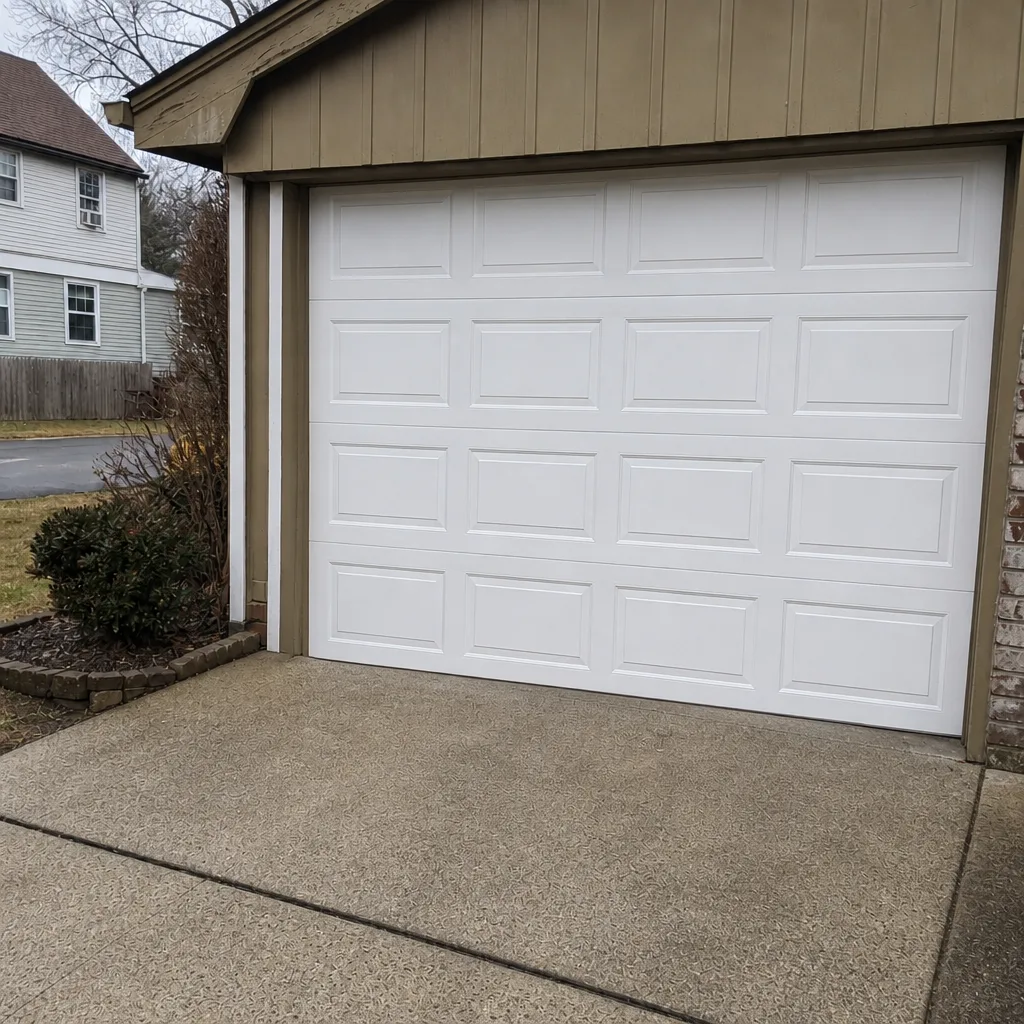
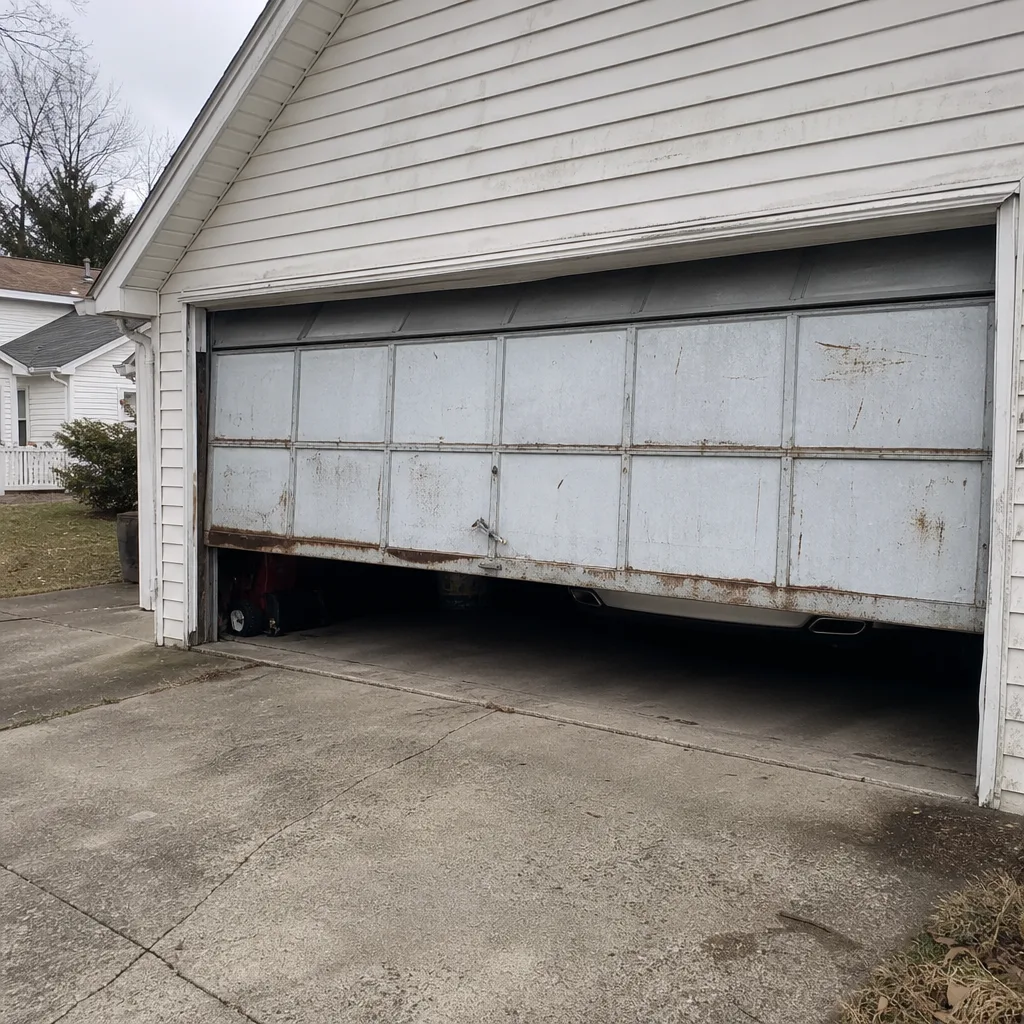
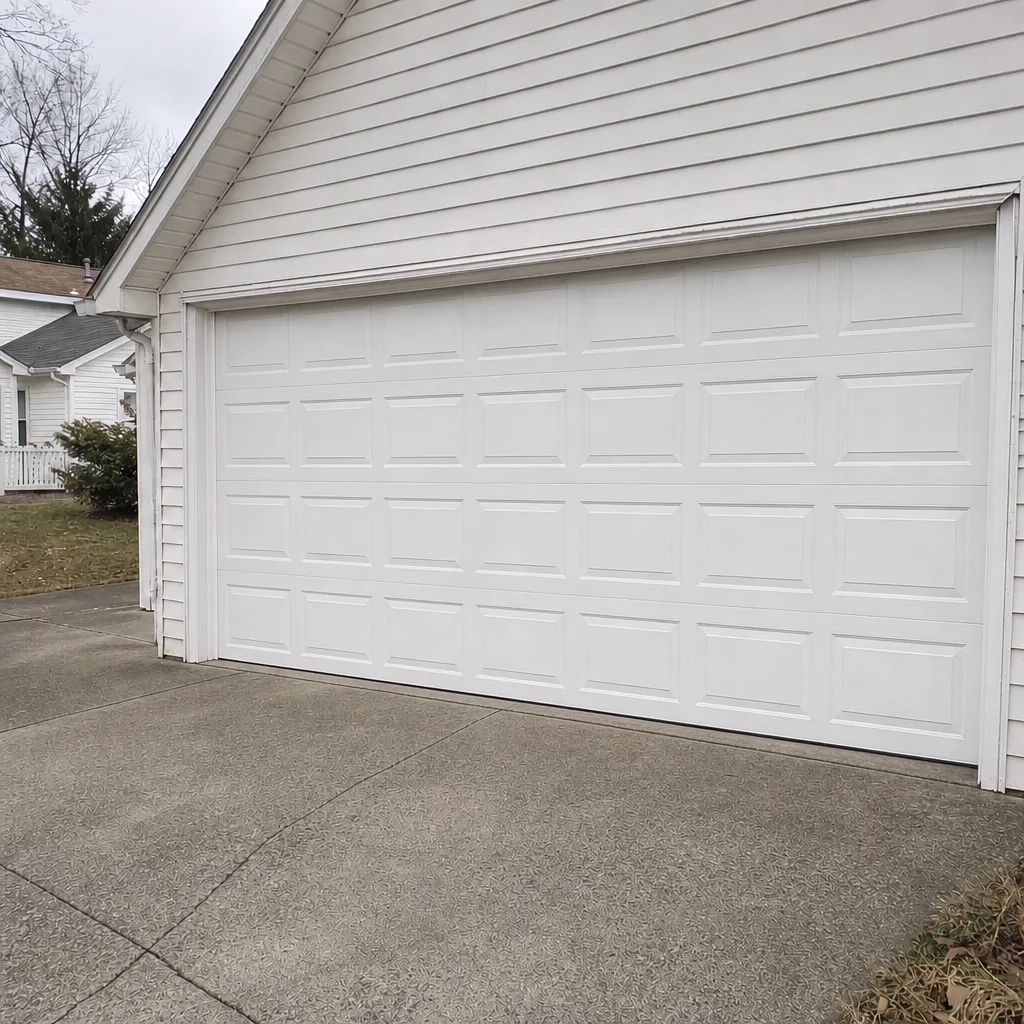
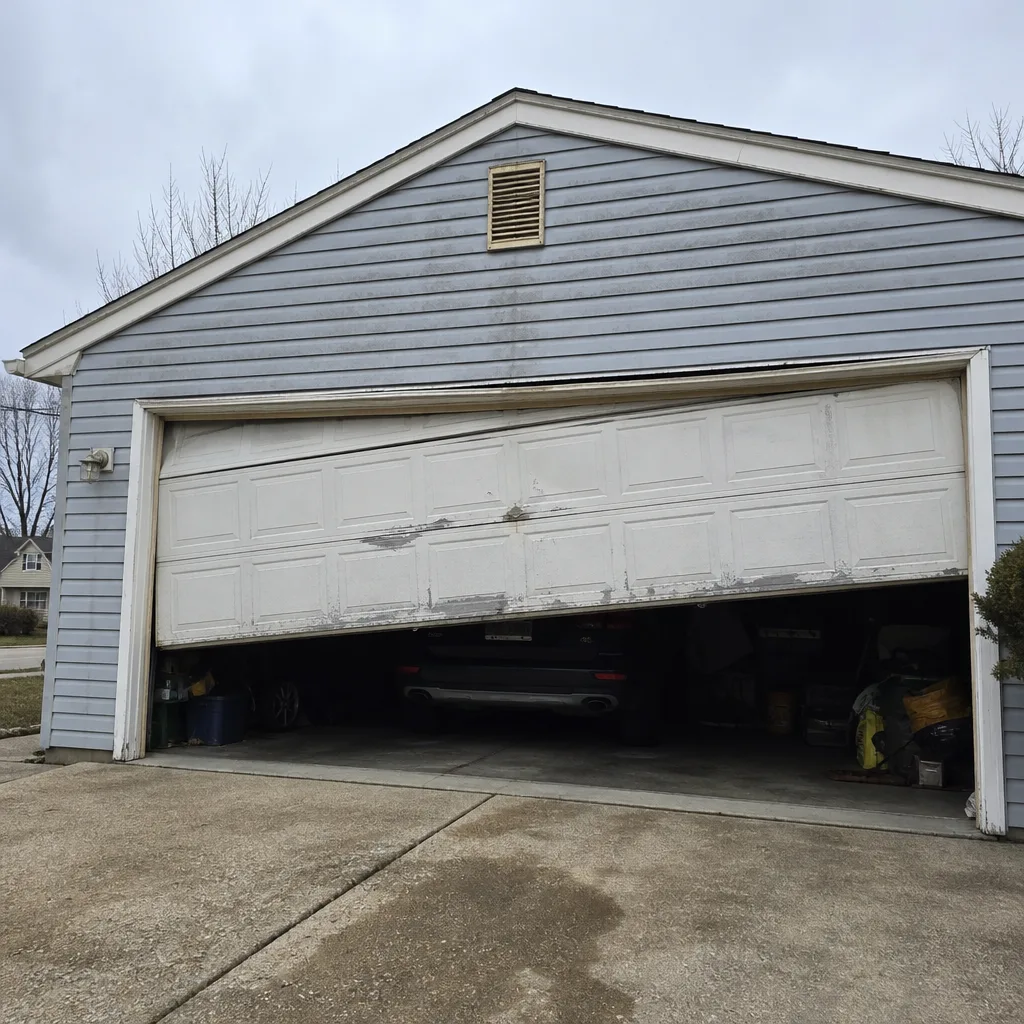
See the difference
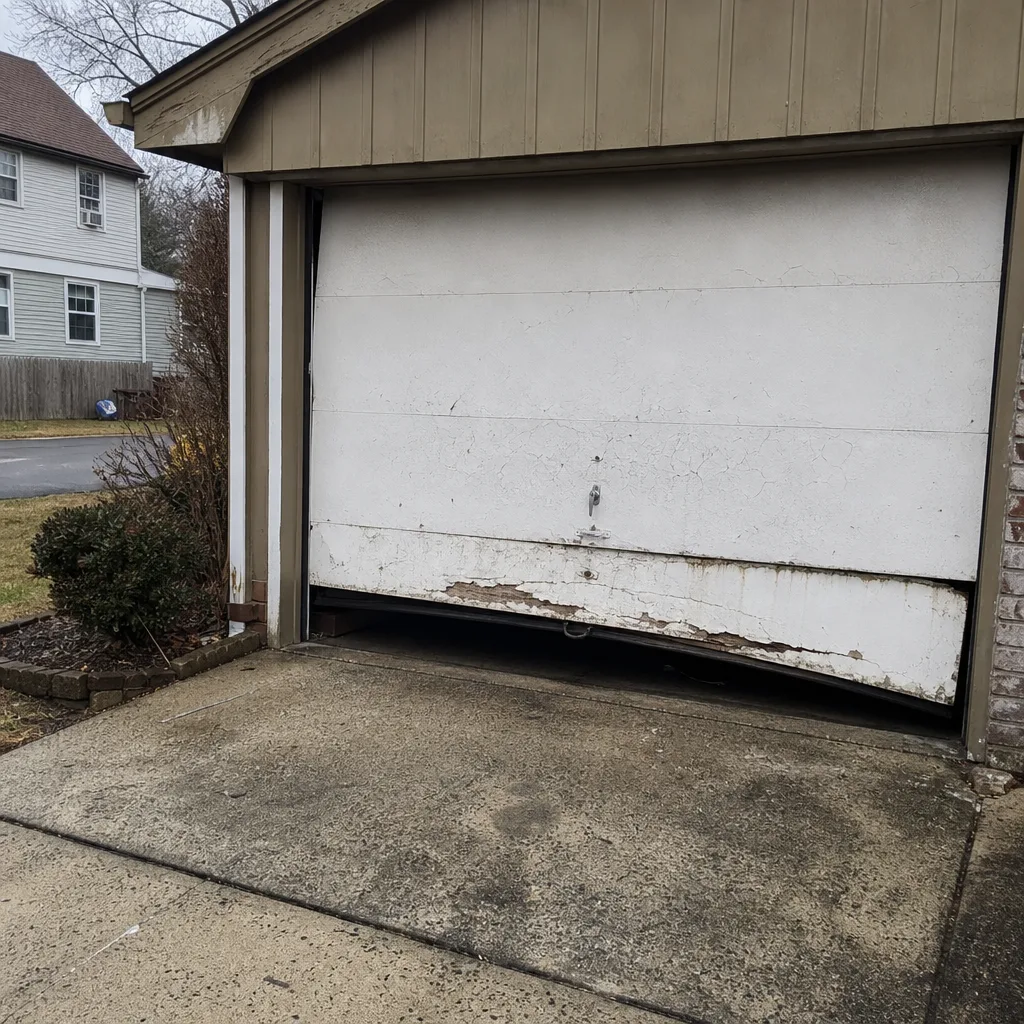 Before
 After
 Before
 After
 Before
 After
When to Call a Professional
Call a professional the moment a job lands in the red zone, and call immediately if the door becomes unstable. Specific triggers for Lakewood homeowners: a snapped or sagging spring, a frayed or unwound cable, a door that’s hanging crooked or not parallel to the floor, a panel that’s come loose from its hinges, an opener that struggles to lift the door, or any partial DIY attempt that has left the door in an unsafe position. Openers with wiring or safety-sensor faults that resist sensor realignment belong on the list too – a trained technician can trace circuits without putting a homeowner at risk. Marbury Garage Door Repair offers free estimates in Lakewood – call (877) 239-9718. We answer 24/7. Fast dispatch from 7am to 7pm, Sunday through Friday, and the price is set by the written estimate before any work begins.
Frequently Asked Questions
No. Torsion spring replacement is one of the most dangerous tasks on a residential garage door because the spring stores the entire lifting force of the door. A slipped winding rod or incorrect spring sizing can cause serious injury. If a spring has failed, stop operating the door and have a trained technician do the work. A spring call is the one place we’d never encourage a homeowner to save money.
Professional spring repair in Lakewood typically costs $180 to $340 for a single spring, and a matched pair is usually replaced together – so a pair runs roughly double that. The written estimate sets the final price and the technician confirms the cost with you before any work begins. If a bottom seal, remote, or sensor alignment is also needed, ask for those to be included in the same visit.
Sometimes. If the door reverses partway down, the most likely cause is a misaligned safety sensor, which is a green-zone task: check that both sensor LEDs are lit and nudge the bracket until they are. If the door moves unevenly, stops short, or has a visible spring problem, that’s a professional call. Call (877) 239-9718 if the sensor fix doesn’t take – estimates are free.
It can. Most garage door manufacturer warranties on panels, springs, and torsion hardware require authorized professional installation or parts for coverage to apply. Check your specific warranty language before doing red-zone work. The same rule applies to opener warranties on newer LiftMaster, Chamberlain, or Genie units – self-installed replacement parts usually aren’t covered.
Full door replacement in most New Jersey municipalities requires a building permit, but the specific requirements vary. Call the Lakewood building department before booking installation to confirm what your project needs. Green-zone maintenance and repair work generally does not need a permit, but replacement is a different category. Getting this answered first protects resale.
Often yes. Emergency service is a core part of what we do, and a door stuck open is the call type we prioritize because it’s a security issue, not just a convenience issue. Call (877) 239-9718. We answer 24/7. Fast dispatch from 7am to 7pm, Sunday through Friday, and same-day service is common. The price is quoted and agreed before any work starts.
Look at the motor housing mounted to the ceiling. The brand name is usually printed on the side or back panel. Common brand names in Lakewood include LiftMaster, Chamberlain, Genie, Craftsman, and Raynor. Knowing the brand before you call helps a technician arrive with the right parts and knowledge of that model’s diagnostic pattern, which shortens the visit.
On most doors under 15 years old with intact panels and tracks, spring replacement alone is the right call. If the door has structural panel damage, worn tracks, or repeated spring failures, replacement can be the better investment. A technician can look at it and give you the honest comparison – we’re not going to push a new door when a spring repair solves the problem.
The Bottom Line
The DIY vs professional question for garage doors isn’t philosophical. It’s three lists: green, yellow, red. Green tasks – seals, remotes, sensors, lubrication, inspection – are things any careful homeowner in Lakewood can do, and doing them keeps small problems small. Yellow tasks – rollers, panel swaps, opener settings – are doable with the right precautions and the right parts. Red tasks – springs, cables, and full door work – belong to a trained technician, because the failure mode is injury, not inconvenience. The dividing line is stored energy. Every safe DIY decision you make respects where that line falls, and every unsafe one ignores it. When your repair lands in the red zone, that’s where the professional cost is justified.
Marbury Garage Door Repair connects Lakewood homeowners with independent local professionals who work on the brands you actually have – LiftMaster, Chamberlain, Genie, Clopay, Amarr, Wayne Dalton, Craftsman, and Raynor. Our technicians have up to 12 years of experience. Whether it’s a 10-year-old LiftMaster opener or a new Clopay panel install, it’s the same expert standard. We handle garage door opener repair and full installation alongside spring and panel work, so you don’t need a second call when the job turns out bigger than expected. Brand-agnostic diagnostic approach: we recommend what the door actually needs, not what’s most profitable to sell.
Call Marbury Garage Door Repair today at (877) 239-9718 for a free estimate. We answer 24/7. Fast dispatch from 7am to 7pm, Sunday through Friday – the price is quoted and agreed before any work starts, so you know what you’re paying before the first tool comes out of the bag.
Written by the team at Marbury Garage Door Repair.