
Last updated November 21, 2026
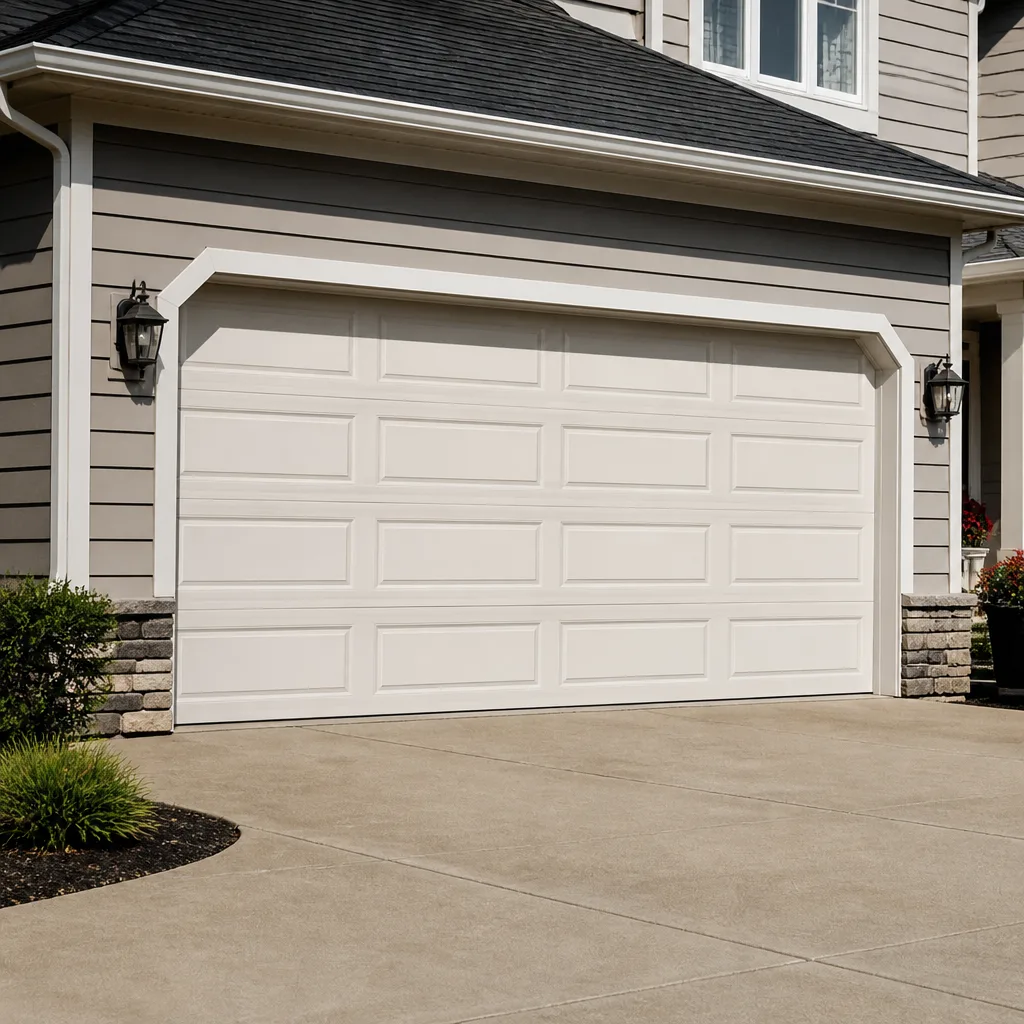 Raised-panel steel
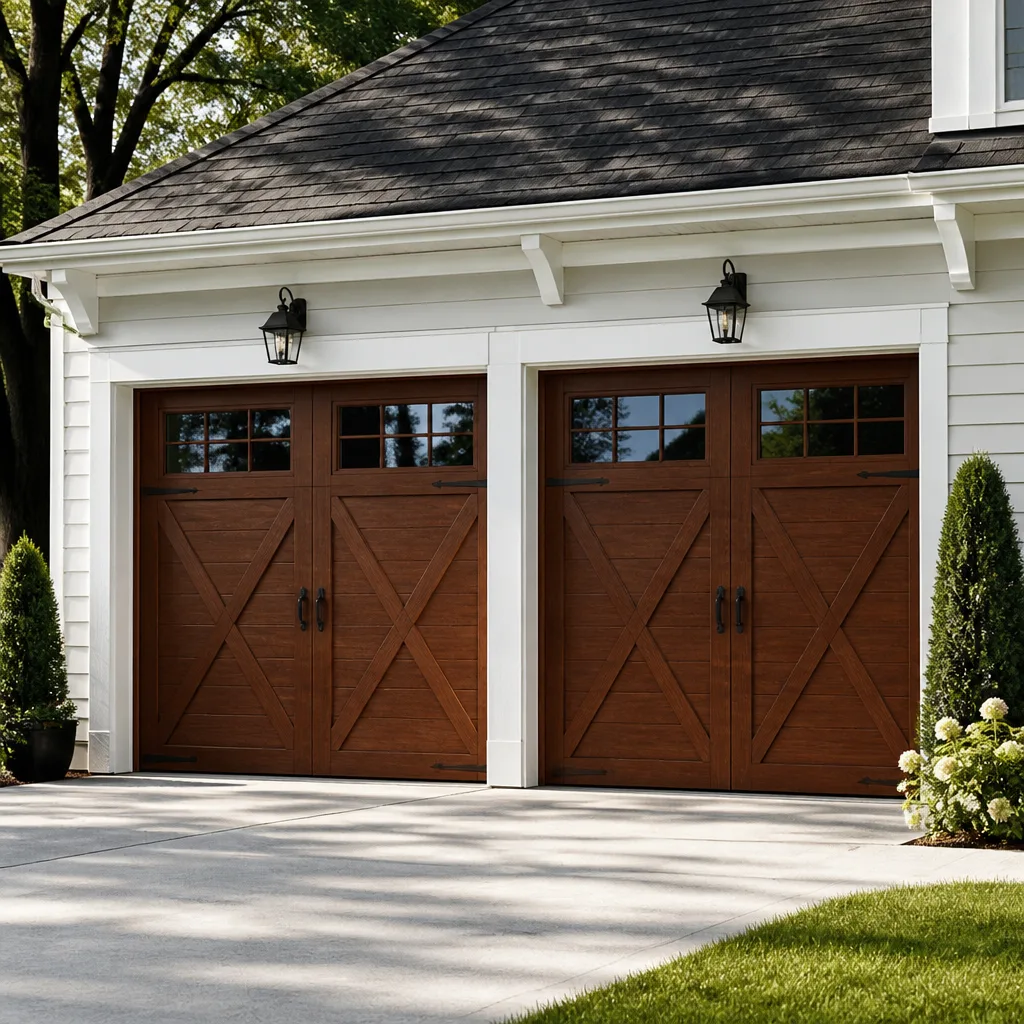 Carriage house
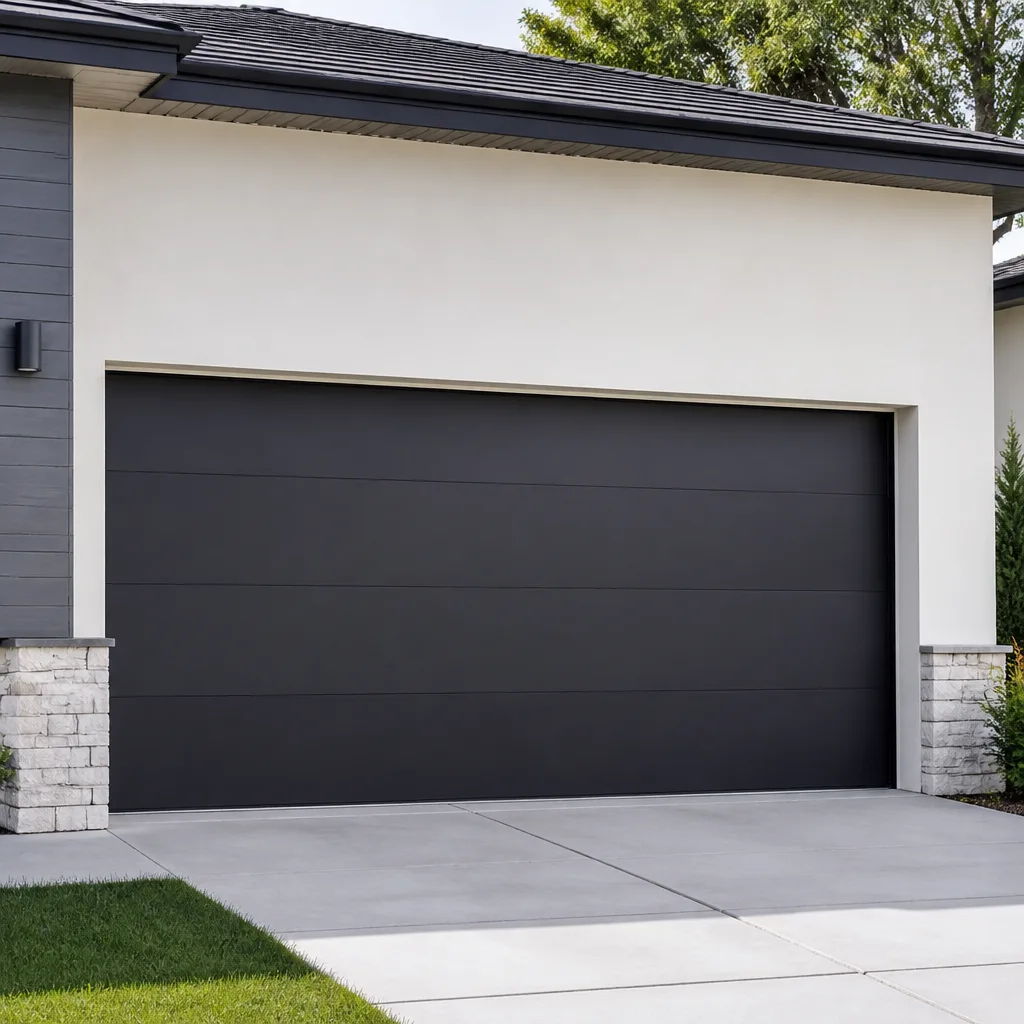 Modern flush
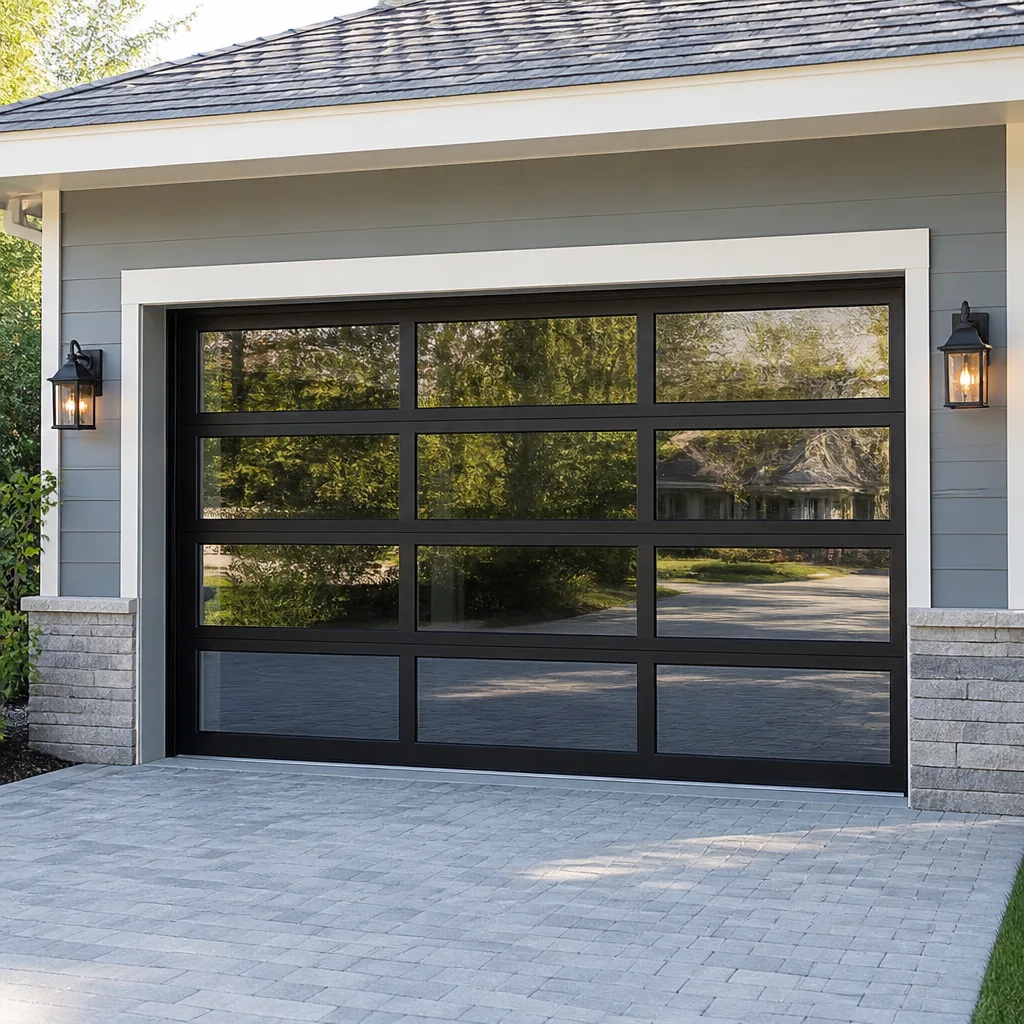 Full-view glass
 LiftMaster openers
 Chamberlain openers
Full 25-point door and opener safety check with every visit - springs, cables, rollers, tracks, and your LiftMaster or Chamberlain opener included
You get a price before we start. It does not change when the pro arrives.
Get your free estimateGarage Door Permits, Codes & Inspections in Lakewood, NJ: What You Need to Know
The most expensive sentence in New Jersey garage door work is “you don’t need a permit for that.” It’s also the one homeowners hear most often. A quick replacement, a new opener wired into the panel, a swapped spring on a door that’s later sold with the house. None of it feels like construction. But in Lakewood, whether a permit is required turns on a small set of questions: is the structural framing being touched, is the electrical circuit being altered, and where on the flood map does the property sit. This guide walks through all three, plus what happens when an inspection goes sideways mid-sale and how to fix unpermitted work without reopening the whole file.
Quick Answer
In Lakewood, a straight like-for-like garage door replacement on the same opening usually does not require a building permit under the NJ Uniform Construction Code. Changing the opening size, altering structural framing, adding or relocating an opener’s electrical circuit, or replacing a door on a property in a mapped flood zone generally does. The reliable answer comes from Lakewood Township’s building department, not from a contractor’s say-so, so confirm before the work starts and keep the paperwork.
Styles & brands we work with
- Raised-panel steel
- Carriage house
- Modern flush
- Full-view glass
- LiftMaster openers
- Chamberlain openers
Table of Contents
- What the NJ Uniform Construction Code actually says about garage doors
- Lakewood Township’s permit process, step by step
- Flood zones near Toms River tributaries and what they mean for door specs
- What a failed garage door inspection means mid-sale in NJ
- Fixing unpermitted garage door work in Lakewood
- Openers, electrical permits, and why this trips people up
- How this plays out across Lakewood neighborhoods
- Common mistakes to avoid
What Does the NJ Uniform Construction Code Actually Say About Garage Doors?
The NJ Uniform Construction Code draws its line at “ordinary maintenance” versus “alteration.” Ordinary maintenance is work that keeps a component in its existing condition without changing its size, strength, or configuration. Alteration is anything that changes the dimensions, the structural members, or the load path. A single damaged panel replaced with an identical panel is maintenance. A door cut down to fit a shorter opening is an alteration. That distinction is the whole ballgame.
Here’s how the threshold breaks down in practical terms for Lakewood homeowners:
- Like-for-like replacement, same opening, same size: generally treated as ordinary maintenance. No building permit in most cases. Confirm with the township, because interpretations vary by inspector.
- Anything that touches the header, jambs, or structural framing: permit required. Once you’re cutting into the framing to raise a header or widen an opening, you’ve crossed into structural work.
- New electrical circuit for an opener: this is an electrical permit, separate from the building side. It comes up when a homeowner switches from a manual door to an opener, or when an opener has been running on an extension cord for a decade.
- Door replacement in a mapped flood zone: the township’s floodplain rules can add requirements beyond the base building code, including how the opening is rated and documented.
- Changing the opening dimensions: definitely an alteration. New header, new rough opening, and in most cases a new permit.
It’s the middle category that causes trouble. Homeowners hear “replacement is fine” and assume everything short of a new garage is fine. The contractor nods. Two years pass. Then a sale, an inspector, and a discovery that the electrician who wired the opener never filed. If you’re weighing repair versus replacement on a damaged door, our guide to garage door repair covers how to tell which path makes sense before you start spending.
Lakewood Township’s Permit Process, Step by Step
Lakewood runs its own building department. You apply there, not with the county. The order of operations is what most homeowners get wrong, and it’s what our technicians routinely see when we’re called out after work has already begun.
- Call the building department with the property address and the scope. Have the door size, the proposed door, and whether any framing or electrical work is involved. The clerk can tell you whether your job needs a permit and which permit type applies.
- Submit the application and any required drawings. For a straight replacement, this is usually minimal. For structural or flood-zone work, expect to provide door specs and possibly a manufacturer’s rating sheet.
- Pay the fee and wait for issuance. Permit fees are set by the township and vary with the scope and valuation of the job. Turnaround ranges from a few business days to longer during busy months. Ask for the current estimate when you apply; that’s the only number that means anything.
- Do the work only after the permit is issued. Work started before issuance is the classic violation and the messiest to unwind.
- Schedule the inspection. Building or electrical, depending on scope. The inspector checks the work against the approved application.
- Keep the signed-off permit and the inspection card. When you sell, this is what your attorney wants to see, and it’s the file that closes the sale without drama.
The single most useful habit is putting the application in before the work. It sounds obvious. It’s the step that gets skipped when a door is stuck open and the homeowner is told a permit will just slow things down.
FEMA Flood Zones Near Toms River Tributaries: Why Your Door Specs Matter
Parts of Lakewood sit in or near FEMA-mapped flood zones, especially where the Toms River’s tributaries and low-lying drainage areas run through the township. That matters for garage doors in ways it doesn’t in most inland townships. If a property falls in an AE zone, the garage door can be part of the floodplain compliance for the structure, and the door you install may need to meet specific opening requirements, be documented as flood-resistant, or both. A Zone X property, by contrast, sits outside the high-risk mapped areas and the door typically only has to meet the base code.
Here’s what to check:
- Find your flood zone on the township’s map or FEMA’s map service before you order a door. This is a one-minute lookup and it saves weeks.
- If you’re in an AE zone, ask the building department what floodproofing requirements, if any, apply to your opening at the time of replacement.
- If your door is a vented or louvered design, ask whether that configuration is permitted on your property under the floodplain ordinance.
- If your property was retrofitted after a prior flood event, look for existing compliance paperwork before changing anything.
- Buy a door with documented ratings. If the inspector asks for manufacturer’s documentation and you don’t have it, you’re starting the job over.
None of this means a Lakewood garage door replacement is automatically complicated. It means the answer depends on the property, and a blanket “you don’t need a permit” is a guess where a map lookup is the truth.
What a Failed Garage Door Inspection Actually Means Mid-Sale in NJ
When a garage door inspection fails during a home sale in New Jersey, the immediate consequence is that the transaction can’t close cleanly until the issue is resolved. NJ’s seller disclosure environment means an unpermitted improvement discovered by the buyer’s inspector becomes a negotiating event, not a formality. The buyer’s attorney asks for documentation. The seller doesn’t have it. The lender’s appraiser may weigh in. And every party on the call has a different idea of what “fix it” means.
The realistic outcomes are:
- Credit at closing. The seller offers a repair credit and the buyer accepts the open permit as their future problem. This works if the scope was small and no structural or electrical issue is involved.
- Seller-performed fix before closing. The work gets permitted, inspected, and closed out on the seller’s dime. This is the cleaner outcome and the one attorneys usually push for.
- Buyer walks. Rare, and usually the result of a larger undisclosed pattern rather than one open garage door permit.
The failure that costs the most is the one where the electrical work for the opener was done without a permit. Building inspectors can often close out a door install quickly. Electrical issues get referred to a separate inspector, and a missing electrical permit can trigger a look at the panel and nearby circuits. That’s the moment a small fix becomes a larger one.
If you’re on the buying or selling side of a Lakewood property and want to know whether the door and opener will hold up to inspection, a technician can walk the system with you. We work on garage door opener repair across every major brand, including LiftMaster, Chamberlain, Genie, and Craftsman, and we can tell you which parts of the setup look unpermitted.
How to Fix Unpermitted Garage Door Work in Lakewood Without a Full Re-Inspection
Getting unpermitted garage door work legalized in Lakewood is usually a matter of filing the right application for the work that was actually done, rather than reopening the whole house. The township process is designed for this. It isn’t a punishment; it’s a paperwork path. But it depends entirely on how the situation is presented.
- Identify exactly what was done. Was it a door replacement in the existing opening, or was framing modified? Was an opener added, or was it wired to an existing circuit? The scope determines the paperwork.
- Call the Lakewood building department and describe the situation honestly. The clerk will tell you which permit type applies to your scope and whether the work as done can be permitted retroactively.
- Ask specifically whether any related work must be inspected. If the door was installed in a mapped flood zone, the floodplain review is separate. If an electrical circuit was added, the electrical inspector is separate. The goal is to know what has to be looked at before any of it gets scheduled.
- File the application and pay the fee. The fee is set by the township based on the scope and valuation.
- Schedule the inspection. Have the door installed and operational. Inspectors want to see the work, not a promise of the work.
- Correct any defects the inspector identifies. These are usually minor – labeling, anchorage, clearances – and getting them right the first time avoids a second fee.
- Get the signed sign-off and keep it with the deed documents. Not in a drawer, in the file your attorney or title company can find.
The cascade risk is real. If a door was installed with a modified header, the inspector may want the framing reviewed. If an opener was installed without a circuit, the electrical inspector may want to see the panel. The way to keep the scope tight is to file for exactly what was done and have the work in a defensible condition before the inspector arrives. This is one of the areas where our technicians work with homeowners to get the physical install into inspection-ready shape. Our team has up to 12 years of experience, and we’ve been in plenty of garages where the paperwork needed to catch up with the hardware.
Openers, Electrical Permits, and Why This Trips People Up
The most common garage door permit problem in Lakewood isn’t the door. It’s the opener. Homeowners reasonably think of a garage door opener as an appliance. But wiring one into the house is electrical work, and adding a dedicated circuit for it is covered by the electrical code. An opener plugged into an existing outlet that was already there is usually a different story from an opener wired into a new circuit run from the panel.
Where this causes problems:
- A homeowner replaces a manual door with a powered one and needs a new circuit. The installer does the wiring without an electrical permit. Two years later it comes up in a sale.
- A handyman replaces an opener and routes the wire himself. The opener works. The wire isn’t in conduit. An inspector flags it.
- A door in a conditioned garage is upgraded to a newer opener with battery backup, and the backup wiring gets added without consideration of the panel capacity.
- A homeowner switches to a smart-home compatible opener and adds a junction where there wasn’t one.
The clear rule is that anything beyond plugging into the existing outlet is worth a call to the building department. LiftMaster, Chamberlain, and Genie units all install the same way electrically, so the brand doesn’t affect the permit question. What affects the permit question is whether the circuit is being touched.
Our garage door opener repair team works on openers from all four of those brands, and we can tell you during the visit which parts of your setup look like they need permit paperwork and which don’t. We can’t file for you; the applicant is the property owner or their licensed electrician. But we can get the physical system into a state where a filing makes sense.
How This Plays Out Across Lakewood Neighborhoods
The permit and inspection story in Lakewood isn’t uniform across town. It tracks with the housing stock and geography.
- Older neighborhoods closer to the downtown core tend to have narrower, older garage openings where a replacement is more likely to involve sizing adjustments. Sizing changes mean framing changes, which means a building permit.
- Properties near the Toms River tributaries are where the flood zone question lives. Those homeowners should do the map lookup before ordering a door, because the door spec may change.
- Newer subdivisions built to consistent sizes mean a like-for-like replacement is genuinely like-for-like, and the permit question is usually simpler.
- Larger properties with multiple garages create a compound permit scenario if the doors were installed at different times by different people.
- Homes that have been bought and sold more than once in the last decade have usually had some garage work done along the way, and whether it was permitted is worth checking before it becomes a problem.
The township’s building department is the authority on all of this. What our technicians bring is the ability to walk a Lakewood garage and identify what might be permit-relevant before it shows up on an inspection report. Between a garage door spring repair that’s been needed for two years and an opener that was wired without a permit, we know which one a buyer’s inspector will flag first, and it’s rarely the one the seller is worried about.
Common Mistakes to Avoid
- Taking “you don’t need a permit” as a fact. A contractor’s opinion isn’t the township’s ruling. Ask Lakewood’s building department directly, and write down the name of who told you.
- Wiring the opener and calling it done. Adding a circuit is electrical work. Filing the permit after the fact is harder than filing before.
- Skipping the flood zone lookup. A property in an AE zone has different door requirements than a Zone X property down the street. Look up the address before you order anything.
- Assuming “same door size” covers the whole conversation. The door size is one input. Framing, electrical, and floodplain rules are others. The permit question depends on all of them together.
- Letting an inspector’s defect list sit. Once an inspection fails, a second inspection usually means a second fee and a second delay. Fix the list completely and schedule the re-inspection.
- Losing the paperwork. A signed-off permit buried in a drawer is a signed-off permit that costs a fortune in attorney time three years later. Put it in the deed file.
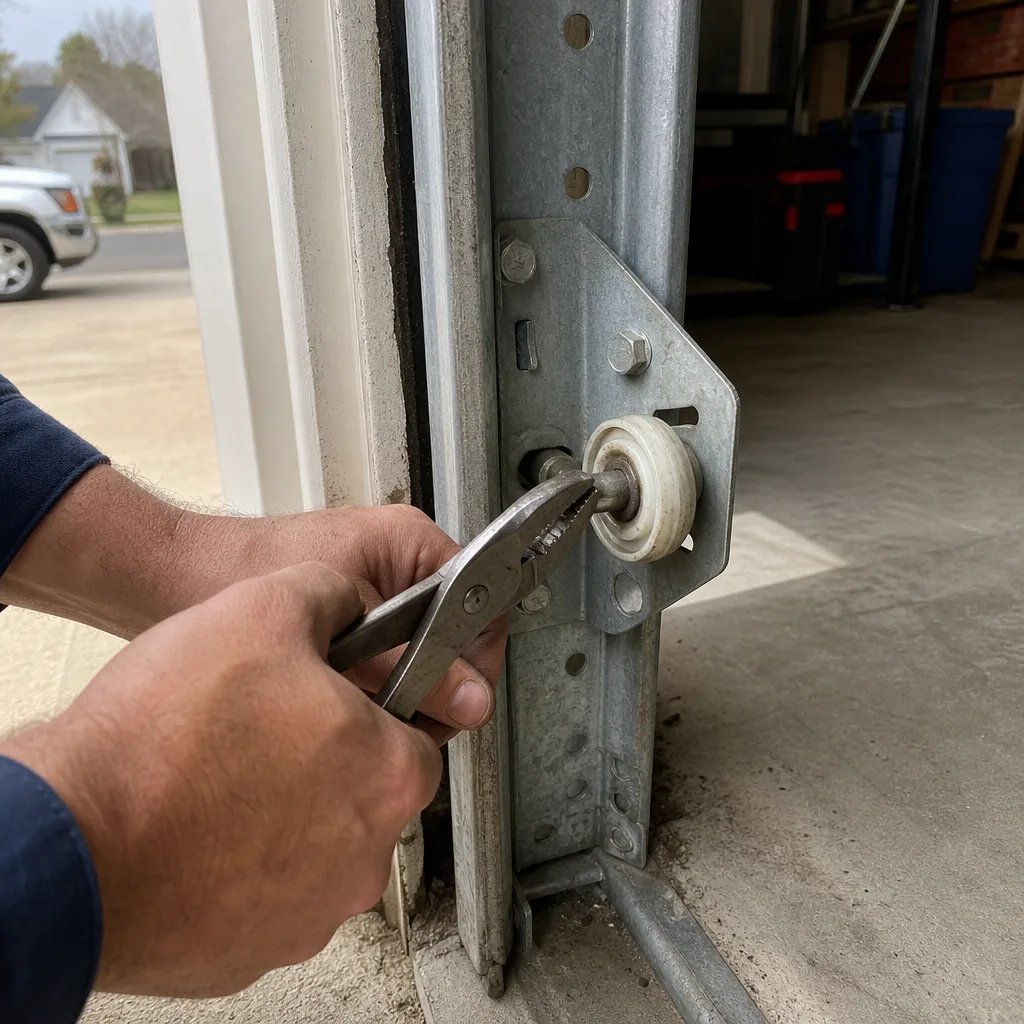
- Attempting to fix a spring or a structural framing issue without a professional. Springs under tension can cause serious injury, and header modifications affect the load path over the garage opening. Both should be handled by trained technicians.
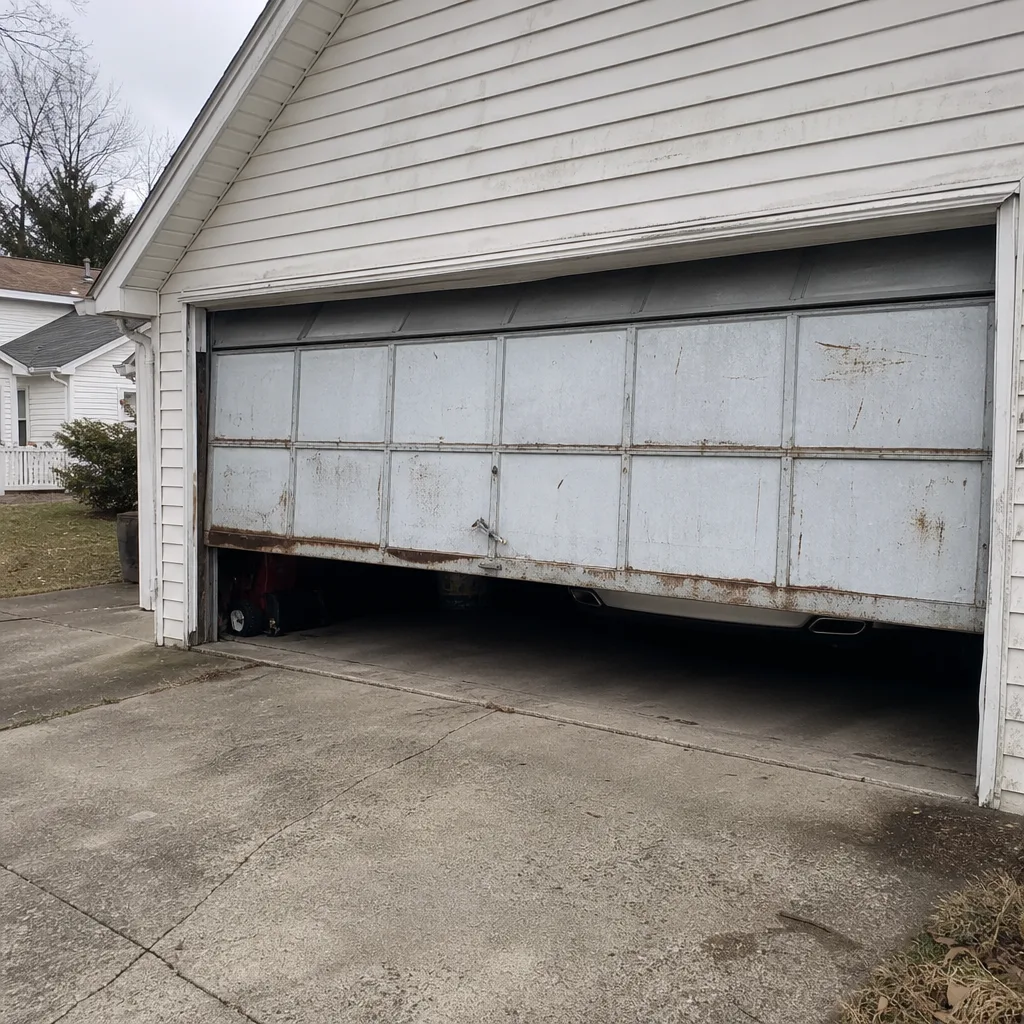
See the difference
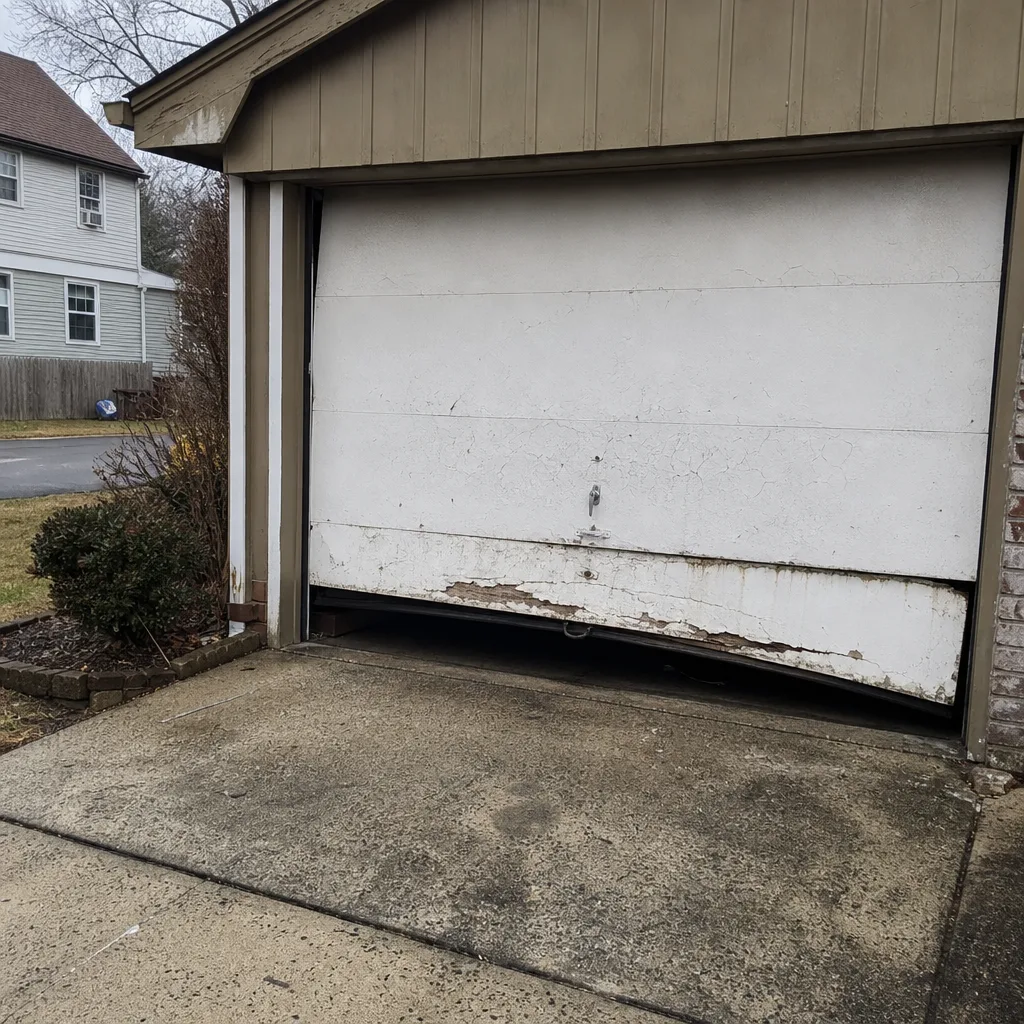 Before
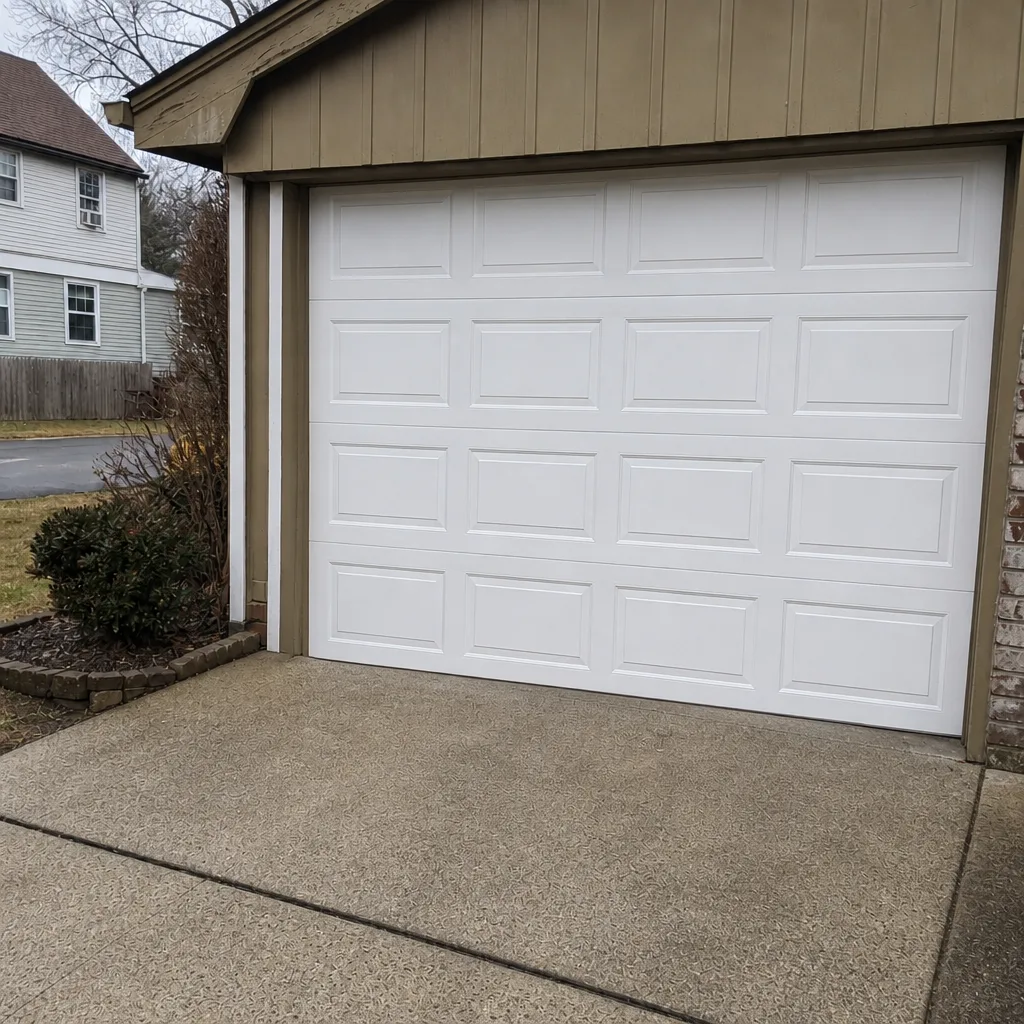 After
 Before
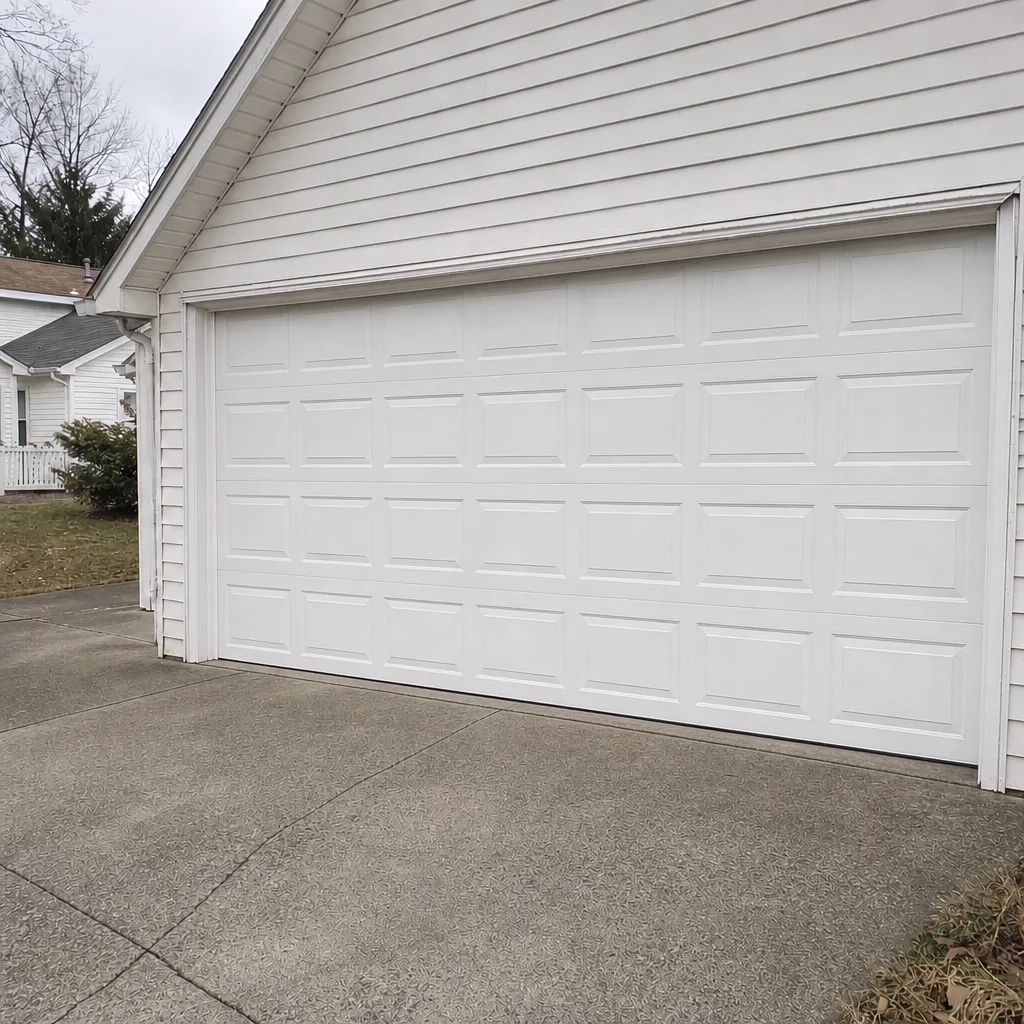 After
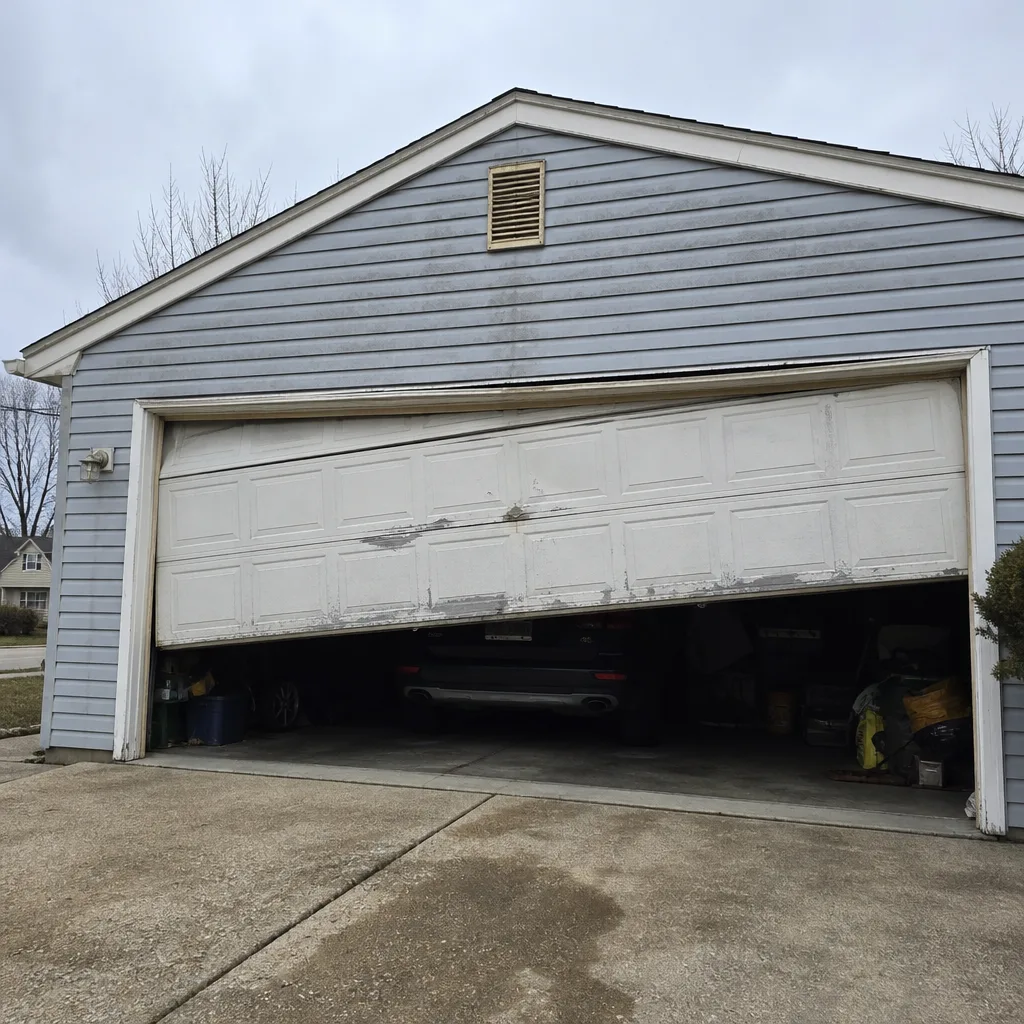 Before
 After
When to Call a Professional
Call a professional when the door moves but the panel is cracked, when the opener runs but the door won’t travel, when a spring has snapped, and when the header, jambs, or tracks have been disturbed. Call when you’re prepping a property for sale and don’t know what a buyer’s inspector will find. Call when you’re not sure whether the previous install was permitted, and you want an honest read on the physical condition before you call the township. Marbury Garage Door Repair offers free estimates in Lakewood – call (877) 239-9718. We answer 24/7. Fast dispatch from 7am to 7pm, Sunday through Friday. We work on your brand, whether that’s a LiftMaster opener, a Raynor panel door, or a Wayne Dalton system that needs a serious look at the hardware.
Frequently Asked Questions
Usually not for a straight like-for-like replacement in the same opening, but you do need a permit when the opening dimensions change, when framing or structural members are modified, when a new electrical circuit is added for an opener, or when the property is in a mapped flood zone that adds requirements. Confirm with Lakewood Township’s building department before any work starts. Call (877) 239-9718 for an exact quote on the door itself – estimates are free.
If the opener is being wired into a new circuit run from the panel, yes, that’s electrical work and generally requires an electrical permit. Plugging a new opener into an existing outlet on an existing circuit is usually a different situation, but the only reliable answer comes from the township. We work on LiftMaster, Chamberlain, Genie, and Craftsman openers and can tell you what we see in your panel. Call (877) 239-9718 to book a look.
The buyer’s inspector can flag it, and the sale can be delayed until it’s resolved. Typically the seller either credits the buyer at closing or files for a retroactive permit and gets it inspected before closing. The clean fix is filing the correct permit for the scope of work that was actually done. If you’re preparing to sell and want the physical setup looked at first, call (877) 239-9718. Estimates are free.
Properties in FEMA-mapped AE zones near the Toms River tributaries can face additional requirements at replacement time, including documentation of the door’s flood-resistant rating and possibly a separate floodplain review. Zone X properties usually only need to meet the base code. Look up the address on the township’s map before ordering a door. If you’re unsure what the door on your property meets, call (877) 239-9718 for a free assessment.
Turnaround varies with scope and with how busy the building department is that month, from a few business days to longer. Ask the clerk for a current estimate when you apply – that’s the only timeline that means anything. The work needs to be scheduled after the permit is issued, not before. If you need a repair that doesn’t involve structural work, call (877) 239-9718 and we’ll quote the job.
In most cases yes, spring replacement is maintenance, not an alteration, so it doesn’t typically trigger a building permit. Springs are one of the most dangerous components in your garage, though, and a failed spring can cause serious injury, so this is a job for a trained technician with the right tooling, not a homeowner with a ladder. Call (877) 239-9718 for spring repair across all major brands, including Wayne Dalton, Raynor, and Craftsman.
The Bottom Line
Garage door permits in Lakewood come down to three questions: is the structural framing being touched, is the electrical circuit being altered, and is the property in a mapped flood zone. If the answer to all three is no, a like-for-like replacement is usually straightforward. If the answer to any of them is yes, the permit is real and the township’s building department is the authority to call. Get the paperwork done before the work starts, not after an inspector finds the gap. And keep the signed-off permit with your deed file, because that piece of paper is worth more at sale time than the garage door itself. If you’d rather have a technician look at the physical setup before you start down the permit path, Marbury Garage Door Repair is here to help Lakewood homeowners with every brand on the market. Call (877) 239-9718. We answer 24/7. Fast dispatch, 7am-7pm, Sunday through Friday.
Written by the team at Marbury Garage Door Repair.