
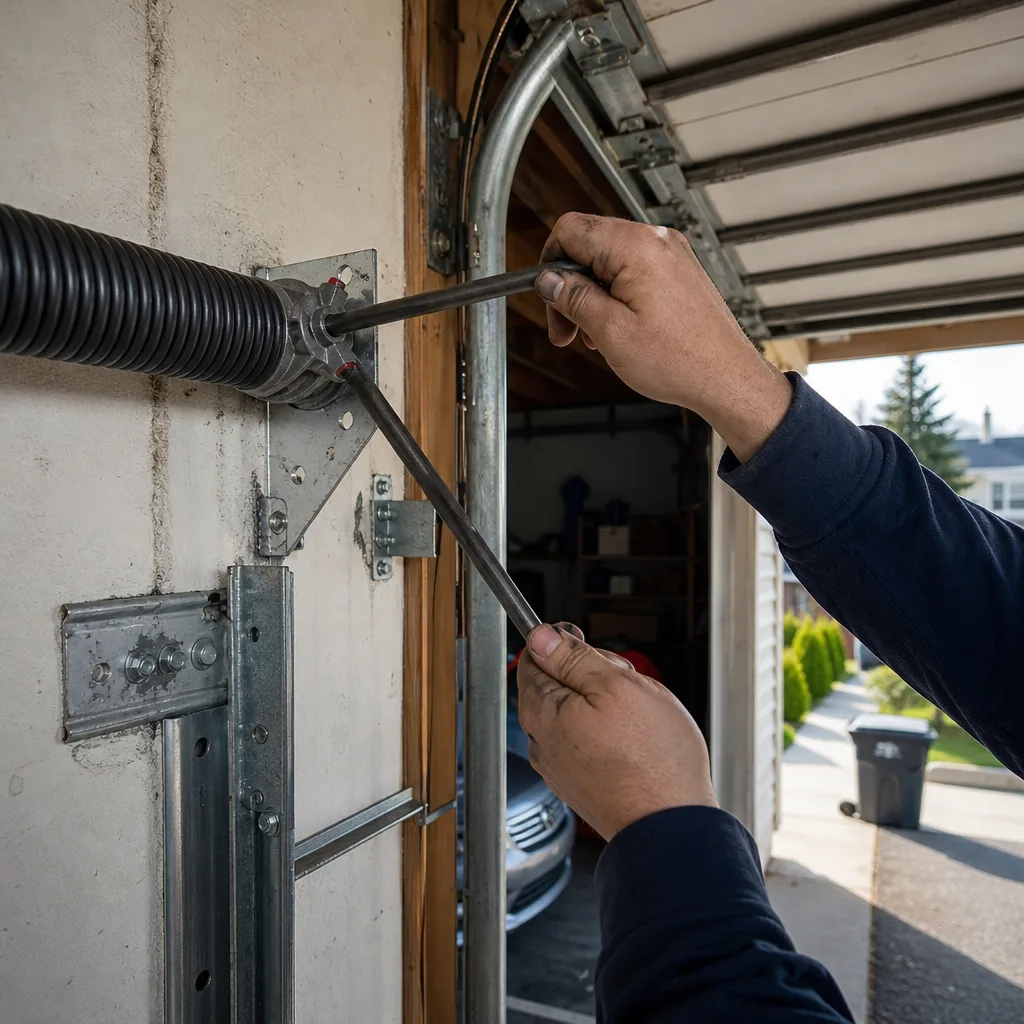
Last updated November 21, 2026
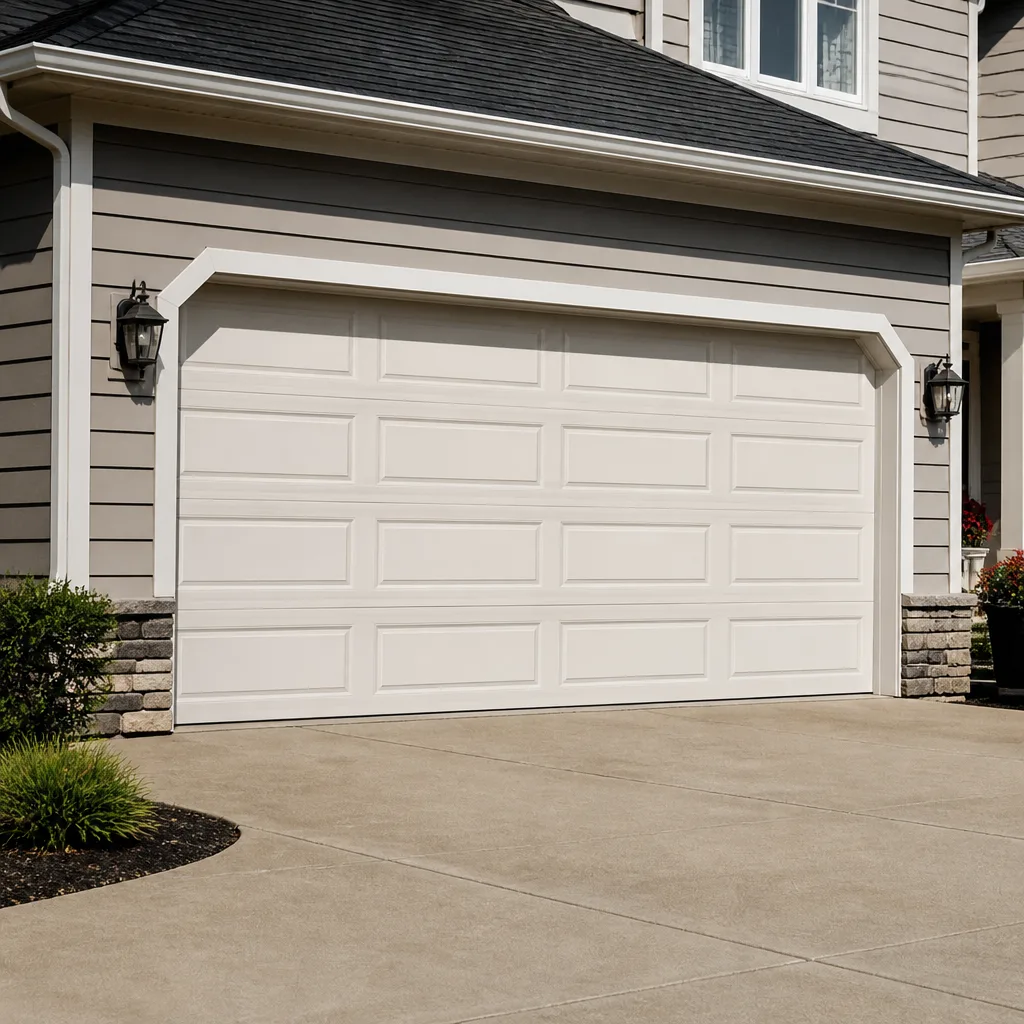 Raised-panel steel
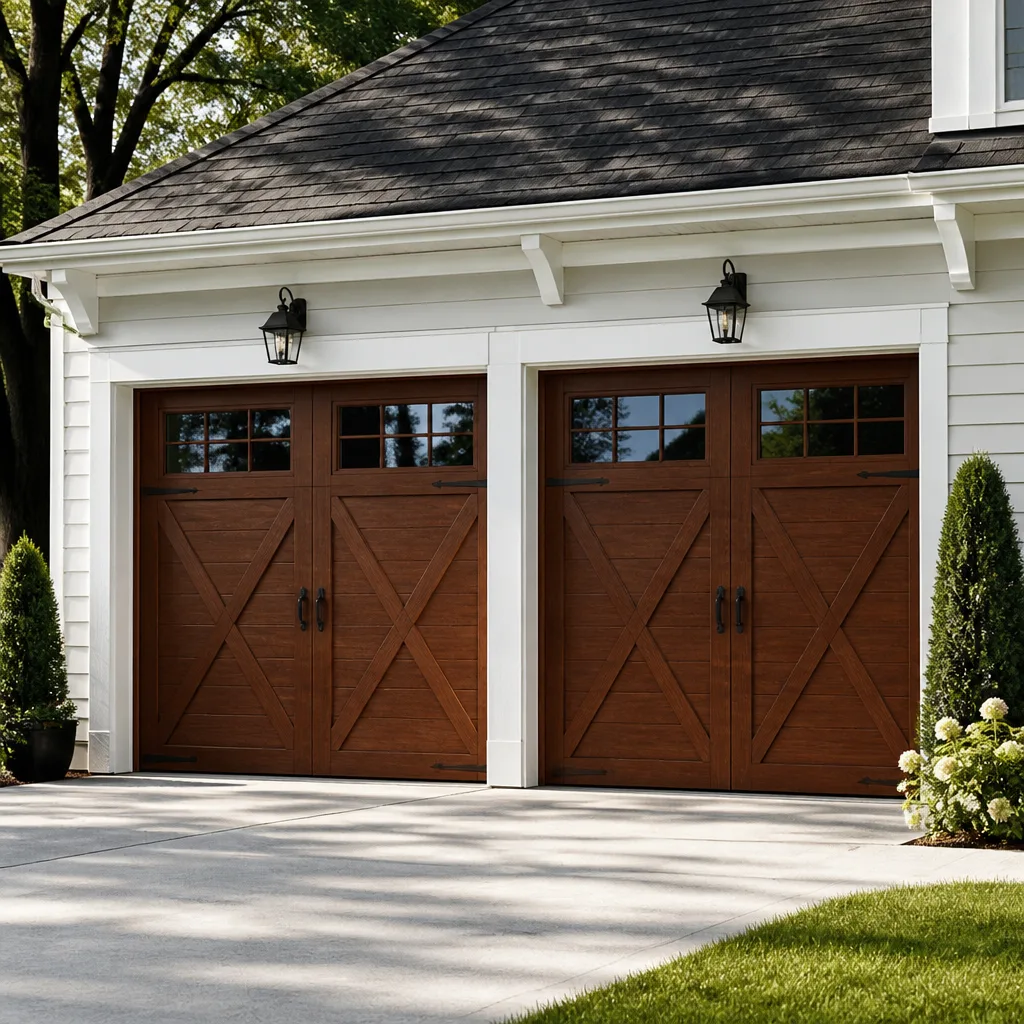 Carriage house
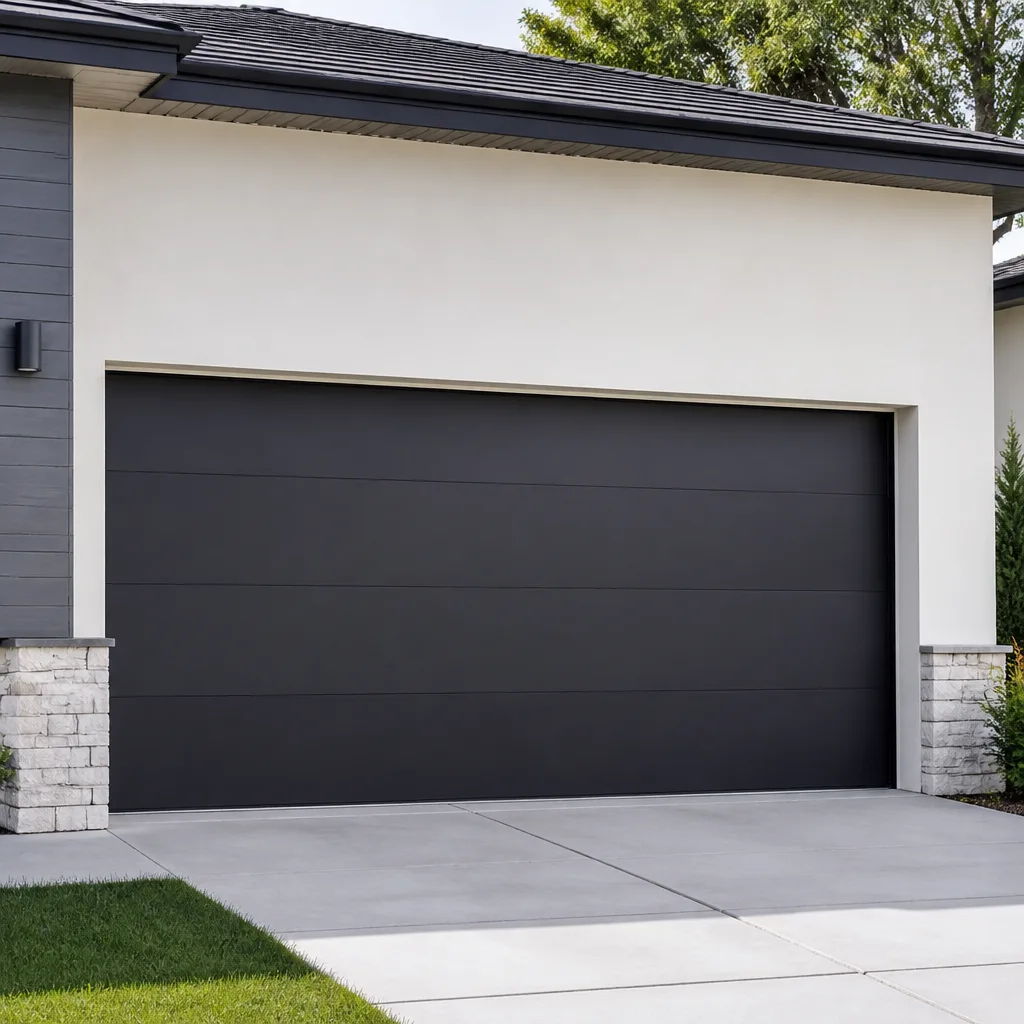 Modern flush
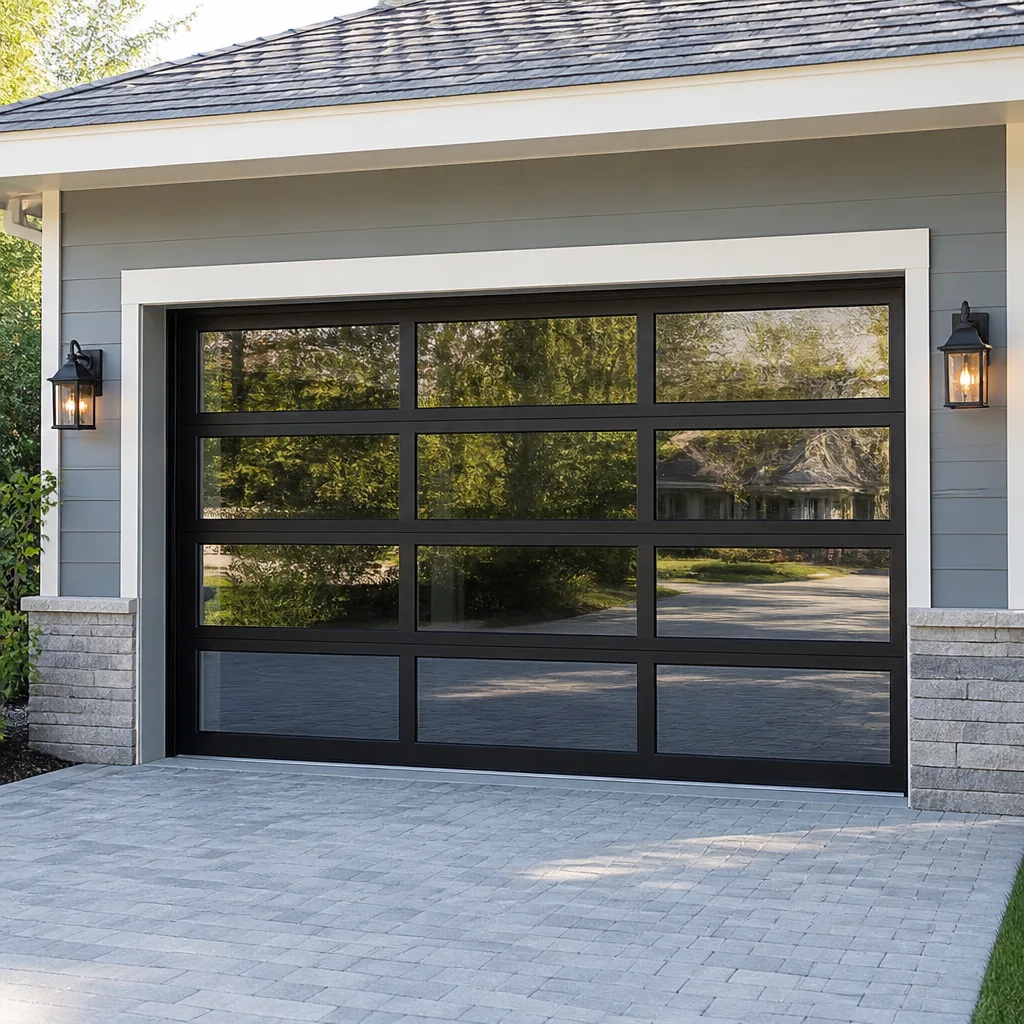 Full-view glass
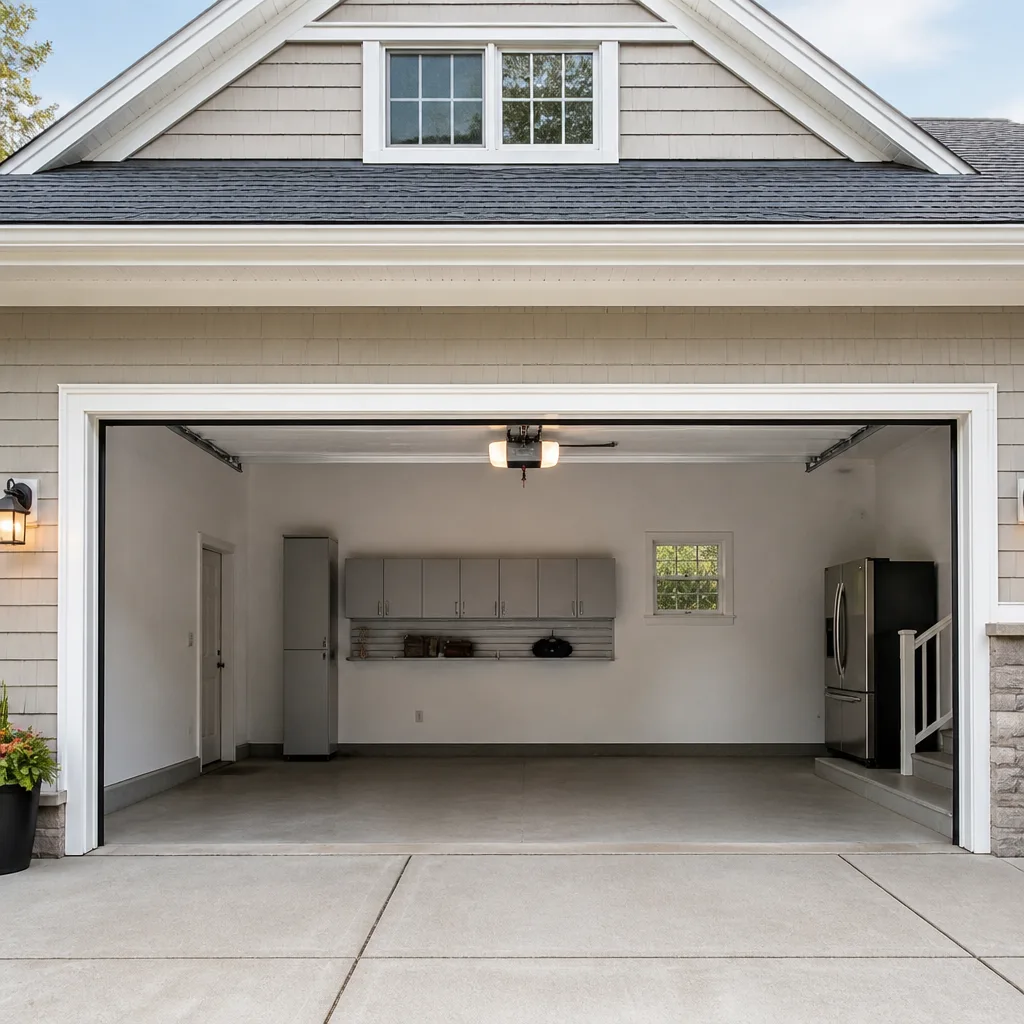 LiftMaster openers
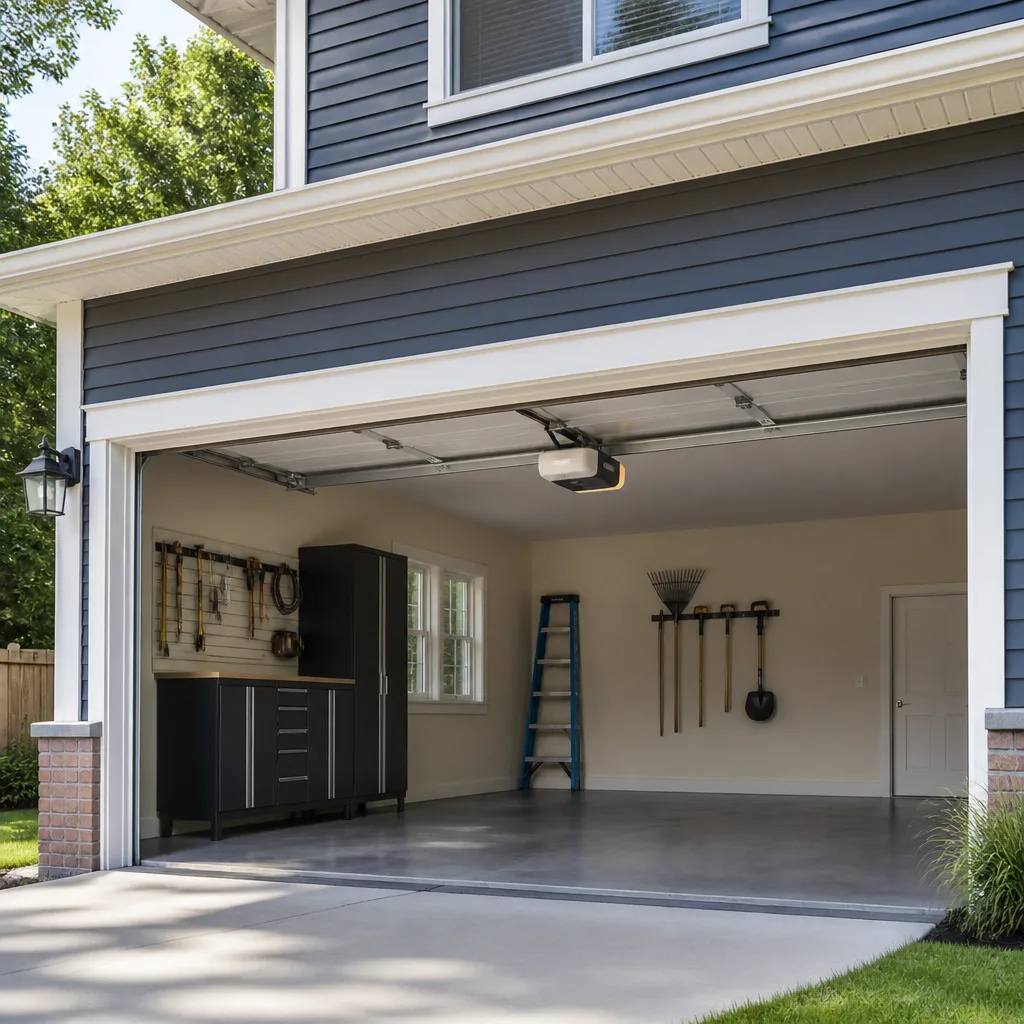 Chamberlain openers
Full 25-point door and opener safety check with every visit - springs, cables, rollers, tracks, and your LiftMaster or Chamberlain opener included
You get a price before we start. It does not change when the pro arrives.
Get your free estimateHow to Hire a Garage Door Contractor in Lakewood: A Step-by-Step Guide
The question most Lakewood homeowners never ask a garage door contractor is the one that exposes everything: “Which brands do you refuse to work on, and why?” A technician who won’t answer that, or who says “we work on everything,” just told you plenty. Real specialists know their limits and say so. A general handyman with a truck and a spring on the seat will say yes to anything and figure it out on your driveway, sometimes with your door hanging over the car. This guide gives you an interview framework for Lakewood that separates the two before anyone touches a torsion spring. You’ll learn what license to ask for, which clauses belong in the contract, how to compare quotes that spec different parts, and the red flags that show up in Ocean County.
Quick Answer
To hire a garage door contractor in Lakewood, verify the contractor’s New Jersey license, ask which brands they service and which they turn down, get a written estimate that names spring grade and warranty terms, and confirm who pulls any required permit. A repair-first contractor will diagnose what’s actually broken; an install-first contractor will lean toward replacing the door. Choose the one who explains the failure, quotes parts and labor in writing, and puts the price in writing before any work begins.
Styles & brands we work with
- Raised-panel steel
- Carriage house
- Modern flush
- Full-view glass
- LiftMaster openers
- Chamberlain openers
Table of Contents
- Why the Contractor Interview Matters in Lakewood
- Step 1: Verify the License in 60 Seconds
- Step 2: Repair-First vs. Install-First Diagnoses
- Step 3: The Five Interview Questions That Matter
- Step 4: How to Compare Quotes Accurately
- Step 5: Five Contract Clauses That Protect You
- Step 6: Red Flags Specific to Ocean County
- What Garage Door Work Costs in Lakewood
- Common Mistakes to Avoid
- When to Call a Professional
- Frequently Asked Questions
Why the Contractor Interview Matters in Lakewood
A garage door is the largest moving object in a house. It weighs a few hundred pounds, rides on cables under real tension, and gets cycled more times in a year than most appliances see in a decade. Yet many Lakewood homeowners hire for it the way they hire for a driveway seal: whoever answers the phone first. That works until it doesn’t, and when it doesn’t, the failure tends to be a spring that lets go at the wrong moment or a door that comes off its track.
The Lakewood market makes the interview more important than it might be elsewhere. The township mixes older postwar blocks with newer construction near the Route 9 corridor and the areas around Lakewood’s growing neighborhoods, so you’ll find single-car wooden doors from decades ago sitting two streets from wide double-car steel doors on newer builds. Those two doors need different parts, different opener torque, and different knowledge. A contractor who shows up expecting one kind of door will improvise on the other.
Then there’s the weather. Lakewood sits in a stretch of central New Jersey where summers run humid and winters bring hard freezes and ice. That cycle works on springs, hinges, and the seals at the bottom of the door. Wood swells and warps; steel sweats; rollers flat-spot. None of this means you need a new door. It means the parts on your door take real abuse, and the person diagnosing them needs to know which parts age first.
What you’re really hiring is a diagnosis. Anyone can swap a spring that looks broken. The expert question is why it broke, whether the cables are ready to go next, and whether the door is balanced after the fix. Get the interview right and everything else follows.
Step 1: Verify the License in 60 Seconds
New Jersey requires home improvement contractors to hold a Home Improvement Contractor registration issued through the state Division of Consumer Affairs. That registration is the number you want before anyone steps on a ladder. Garage door work falls under home improvement contracting when it involves repair, installation, or alteration of the structure and its hardware, so ask for the registration number on the first call, not after the estimate.
Verifying it takes about a minute. The Division of Consumer Affairs maintains a public database where you enter the contractor’s business name or registration number and see whether the registration is active. Ask three things:
- The business name exactly as it appears on the registration. If the name on the card, the name on the truck, and the name on the database don’t match, ask why.
- The registration number. Write it down. A legitimate contractor gives it without hesitation. Someone who changes the subject or says “we’re licensed in the state” without a number is telling you something.
- The status. Active, expired, or suspended. An expired registration is not a technicality; it means the contractor is operating outside the rules that protect you.
A registration isn’t a guarantee of good work. It’s a floor. It tells you the contractor has met the state’s requirements for operating a home improvement business in New Jersey, which is the minimum bar before you let them work on a torsion system holding a few hundred pounds of tension. Ask also whether they carry insurance, and get a certificate if the job is large. We can’t promise every contractor will have one ready, but a professional will send it without a fight.
One more check: ask if the person doing the work will be the person who quoted it, or a subcontractor. You’re allowed to know who’s coming. On the phone, mention the make of your door or opener. If you have a Clopay door and a LiftMaster opener, say so. The way the contractor responds tells you whether they know the equipment or whether the brand names are just words to them.
Step 2: Repair-First vs. Install-First Diagnoses
Two contractors can look at the same broken door and give you structurally different diagnoses, and the difference usually comes down to what the company makes its money doing. A repair-first contractor earns on fixing what’s there. An install-first contractor earns on selling doors. Both will tell you they’re honest. Only one of them has an incentive to see the repair.
Here’s how the same problem reads through each lens. Say your door is heavy and the opener strains to lift it. The install-first diagnosis: the door is old, the opener is undersized, best to replace both. The repair-first diagnosis: a spring has lost tension, the door is no longer balanced, and the opener is doing work the spring should be doing. One of those diagnoses costs a spring and a tune-up. The other costs a door and an opener.
That’s not to say install-first contractors are dishonest. Sometimes the door is genuinely at the end of its life, especially an older wooden door in Lakewood that’s warped from a few seasons of freeze and thaw. The point is that the diagnosis should follow the evidence, not the sales sheet. When you talk to a contractor, ask directly: “What would you do if this were your door, and what’s the cheapest way to make it safe?” A specialist will answer with specifics. A salesperson will steer back to a package.
A useful second test is to ask what happens when a repair isn’t possible. A repair-first contractor should be willing to say “this one isn’t worth fixing” and explain why. An install-first contractor who never says that isn’t diagnosing at all.
A third test: ask how they’ll handle the door if it turns out the problem is smaller than expected. A contractor who quotes a spring pair and a tune-up, then finds only one spring is shot and adjusts the price down in writing, is telling you the quote was real. That’s the behavior you’re screening for.
Step 3: The Five Interview Questions That Matter
These five questions do most of the work. Ask them on the phone before you book an estimate. The answers give you more information than any review you’ll read.
- “Which brands do you work on, and which do you refuse to work on?” The refusal is the useful part. A contractor who names specific brands – LiftMaster, Chamberlain, Genie, Clopay, Amarr, Wayne Dalton, Craftsman, Raynor – and explains which ones they avoid, and why, knows the equipment. “We work on everything” is the answer of a generalist who will figure it out on your driveway.
- “How do you handle springs, and what’s your process for balancing the door afterward?” Springs are one of the most dangerous components in a garage. A specialist describes the tension-release process, the cable inspection, and the balance test. Answers that skip straight to “we replace the spring” without mentioning balance or cables are a warning.
- “What New Jersey registration number do you hold, and can you send the certificate of insurance?” Covered in the licensing section. Ask every time.
- “Will you put the price in writing before any work starts?” The answer should be an unqualified yes. If it’s “we’ll see once we open it up,” that’s a red flag. A written price protects both sides.
- “If the repair turns into something bigger, how do we handle it?” A good contractor explains: they stop, call you, describe what they found, and get your approval on any change before continuing. A contractor who says “we’ll just take care of it” without an approval step is the one you’ll argue with after the fact.
Ask these five questions and you’ll have a working sense of the contractor before they see your door. Notice whether the answers are specific. Specificity is the signal. A specialist says “I’d check the cables and the bottom brackets before pulling the spring, because if the cable is frayed, the door’s coming down differently than you planned.” A generalist says “we do springs all the time.”
Step 4: How to Compare Quotes Accurately
Quotes aren’t comparable at the headline number. Two estimates for the same repair can differ by a third of the price and one can still be the better deal, because they’re speccing different parts. Before you compare totals, line up what’s actually in each quote.
The four places where quotes diverge in a way that affects both price and lifespan:
- Spring grade. Torsion springs are rated by cycle count, which is roughly how many open-close cycles they last. A cheaper spring may have a shorter rated life than the one in the higher quote. Ask each contractor how many cycles the spring they’re quoting is rated for. If they can’t answer, they’re not speccing the part.
- Track gauge. Track is steel, and it comes in different gauges. A lighter-gauge track is cheaper and dents more easily. For a door that gets heavy use in Lakewood, a thicker track holds true longer. Ask for the gauge in writing.
- Opener motor rating. Openers are rated by lifting force. A quote that includes an undersized motor will fail sooner on a heavy door, especially one that sees freeze-and-thaw cycles. Ask what the opener is rated to lift and whether that matches your door’s weight.
- Hardware and rollers. Nylon rollers last longer than steel; heavier hinges hold an older wooden door together better. A quote that includes the cheapest hardware is a false saving if you’ll be replacing it in a few years.
For context, the pieces of the job are typically priced separately in a written estimate, so comparing one line to another tells you more than comparing totals. Ask each contractor to break their quote into parts and labor.
Step 5: Five Contract Clauses That Protect You
New Jersey’s home improvement regulations entitle you to a written contract for most garage door work, and the contract should cover more than the price. Before you sign, check for these five clauses. If any is missing, ask for it in writing.
- The parts warranty, in writing. How long is the spring covered? The opener? The hardware? “Lifetime warranty” is meaningless unless the contract says what “lifetime” means. Ask for the warranty terms in the contract, not just on the phone.
- The labor guarantee. If a spring fails in the first year, does the warranty cover the part only, or the part and the labor to replace it? A strong contractor will warrant both. A weak one warrants the part and leaves you paying twice for the same job.
- Permit responsibility. Most municipalities require a permit for structural work on a garage, and some require one for a full door replacement. The contract should say clearly who pulls the permit. If the contractor says “you don’t need one,” call Lakewood’s building department and confirm before you sign.
- The final price and the payment schedule. The price quoted is the price you pay. Deposits are normal on installations; a deposit on a repair is not. Never pay the full amount before the door is tested and working.
- A dispute-resolution clause. It should say what happens if the work isn’t right. A written process, however brief, beats a verbal promise to “make it right.”
The written estimate sets the final price. That’s the sentence to confirm before you sign. If a contractor won’t commit to that, walk away. Call (877) 239-9718 for a free estimate – estimates are free, and the price is set in writing before any work starts.
Step 6: Red Flags Specific to Ocean County
Some red flags are universal. Others are peculiar to the Lakewood market, where a lot of small operators compete for the same calls and some cut corners to win them.
- The bait-and-switch spring price. You’re quoted a low number on the phone, but when the technician arrives, the price grows because “that price was for a different spring” or “your door needs a pair, not one.” A written estimate before arrival closes that door. If you’re quoted a spring pair for one price on the phone, get it in writing before anyone arrives.
- The high-pressure “the door is dangerous” pitch. A broken spring is genuinely dangerous, and a contractor is right to say so. But a specialist explains the danger and offers the repair. A closer uses the danger to sell a new door within an hour of arriving. Notice whether the fix and the safety warning come together.
- No New Jersey registration number on the estimate. The number should be on the printed estimate. If it isn’t, ask for it. If it still doesn’t appear, you have your answer.
- “We’ll pull the permit for you, no problem” followed by no permit in the contract. Some contractors in Ocean County will tell you permits aren’t required. Confirm with the building department yourself. The permit isn’t optional if the work touches structure or electrical (an opener replacement or a full door install).
- The vanishing contractor. A contractor who’s hard to reach before the sale is usually harder to reach after. Test this on the front end: how quickly does the estimate arrive in writing? How quickly does the office answer the phone?
- Cash-only, no contract. The rules exist to protect you. A contractor who wants to skip them is telling you which side of the rules they operate on.
None of these red flags is unique to Lakewood, but the cluster is. A small, opaque operator with no registration and no written quote is more likely to appear in a market where the customer base is growing and the door companies are many.
What Garage Door Work Costs in Lakewood
Costs in Lakewood fall in ranges, not exact figures, because parts and scope vary. These ranges are typical for the area and are for estimates only. The written estimate you receive is what sets the final price.
- Spring repair or replacement: typically $180 to $340 for a single spring, depending on the grade and whether the door also needs cables or a tune-up. A matched pair is usually replaced together, so a pair costs about twice the single-spring range. Torsion springs are the most common failure in a Lakewood door after a hard winter.
- Opener repair: typically $120 to $300 to diagnose and repair, depending on whether the motor, the logic board, or the safety sensors are involved. Opener replacement runs higher and depends on the motor rating and whether the door needs a new rail.
- Panel or hardware replacement: varies with the door, the panel size, and whether the panel is still in production. A door from a common brand is easier to match than a discontinued model.
- Full door installation: the range depends on the door material, size, and whether an opener is included. A written estimate is the only way to know your number.
Two factors move the price in Lakewood specifically. The first is the age and mix of housing stock: an older wooden door that’s warped or soaked is more likely to need panel or structural work than a newer steel door. The second is the weather cycle: a door that’s been through a few freeze-and-thaw winters is more likely to need hardware replaced along with the spring. That’s not a sales pitch, it’s what the parts tell you. A contractor should be able to explain which parts failed and why before quoting you. If they can’t, ask.
Common Mistakes to Avoid
- Hiring the first company that answers the phone. On a broken door, speed matters. But the fastest answer and the best diagnosis aren’t always the same company. Ask the five interview questions before booking, even when the door is jammed.
- Comparing quotes on the total only. A cheaper total often hides a lower-grade spring, a lighter track, or a weaker opener motor. Compare line by line. If the contractor won’t break out the spec, that’s the warning.
- Not asking who pulls the permit. Some Lakewood installations need a permit and an inspection. Skipping one can leave you with a door that’s not compliant and a problem if you ever sell. Confirm with the building department and put it in the contract.
- Paying a deposit on a repair. Deposits are for installations, where materials are ordered. A repair should be paid on completion, after you’ve tested the door yourself.
- Letting a handyman touch the spring. Springs and cables are under real tension and can cause serious injury if handled by someone without the training and tools. A general handyman who offers to change a spring is not saving you money; he’s putting you and him at risk.
- Skipping the post-repair balance test. A door that isn’t balanced is a door that will wear the opener and the springs faster. Watch the test. Ask the technician to show you the door holding halfway up without drifting.
- Believing “we work on everything.” A specialist who names the brands they refuse is more useful than a generalist who claims all of them. Specificity is the signal.
When to Call a Professional
Some garage door problems are genuinely safe to look at and some are not. Call a professional immediately if you see a snapped torsion spring (the coil above the door, over the center bearing plate), a cable that’s off its drum or frayed, a door hanging at an angle on its tracks, or a door that won’t close and leaves the garage open. These are the situations where the right move is to leave the door alone and pick up the phone. A trained technician knows the safe sequence for releasing tension safely and can tell the difference between a part that’s worn and a part that’s about to fail.
For a door that closes but runs rough, an opener that strains, rollers that squeal, or a seal that’s torn, you have time to compare contractors using the steps in this guide. Our technicians have up to 12 years of experience working on residential garage doors and openers, and we handle garage door spring repair as a routine job rather than a specialty.
Marbury Garage Door Repair offers free estimates in Lakewood – call (877) 239-9718. We answer 24/7. Fast dispatch from 7am to 7pm, Sunday through Friday. If your door fails on a Saturday, we can book you into the next opening on Sunday and walk you through keeping the door safe until then.
Frequently Asked Questions
A single spring replacement in Lakewood typically runs $180 to $340, depending on the spring grade and whether the door also needs cables, rollers, or a tune-up. A matched pair is usually replaced together, so a pair costs about twice the single-spring range. Call (877) 239-9718 for a free estimate – the written quote sets the final price.
Yes, for most repairs. A broken spring, a stuck door, or an opener that won’t respond is usually diagnosed and fixed the same day when you call early. For a new door, a full replacement, or a major installation, the work is measured, ordered, and scheduled, so plan for a follow-up visit rather than a same-day install. Call (877) 239-9718 for a free estimate and a realistic timeline.
Ask for the contractor’s New Jersey Home Improvement Contractor registration number, issued through the Division of Consumer Affairs. Write it down and verify it in the public database before work starts. Ask also for a certificate of insurance. The registration is the minimum bar, not a guarantee, so pair it with the interview questions in this guide. Call (877) 239-9718 if you have questions about what to check.
Repair is almost always cheaper than replacement when the door itself (the panels and frame) is in good shape and the problem is mechanical: a spring, a cable, an opener, or a hinge. Replacement makes sense when the door is warped, delaminated, or out of production and parts are no longer available. A repair-first contractor will tell you which situation you’re in. Call (877) 239-9718 for a free estimate.
In many cases, yes, and the requirement varies by municipality and the scope of work. Ask Lakewood’s building department directly before the work begins. A full replacement that touches structure or electrical (an opener) is more likely to need one than a spring repair. Put permit responsibility in the written contract so there’s no ambiguity. Call (877) 239-9718 for a free estimate and we’ll help you sort out the paperwork question.
Ask, and get the certificate. Insurance status is not something you can verify from a review or a business card. A professional contractor will send the certificate of insurance without resistance. If a contractor hesitates, treat it as a signal. Pair it with the registration check, and don’t let anyone start work on a spring system without both. Call (877) 239-9718 for a free estimate.
Will the price change once you see the door?
Not without your approval. The written estimate sets the final price, and if the diagnosis changes once the technician is on site, the process is to stop, call you, explain what was found, and get your yes before any additional work. A price that grows after the fact without that call is the exact behavior this guide is designed to screen out. If you want a garage door repair quote that holds, ask for it in writing. Call (877) 239-9718 for a free estimate.
What About Opener Work and Brand-Matched Repair?
Opener work gets overlooked because it doesn’t look dangerous. It isn’t, mostly, but a mismatched or undersized opener will grind through a heavy door and wear out the springs faster. Ask your contractor which opener brands they work on. LiftMaster, Chamberlain, and Genie cover much of the residential market, and a shop that knows them will diagnose faster and source parts without guesswork. A technician familiar with the brand shouldn’t need to read the manual to figure out what’s wrong.
If the opener is failing, a garage door opener repair call can often fix the issue the same day. If it’s a door that needs panel work, ask whether the contractor works on your door brand specifically. Clopay and Amarr doors, for example, have their own panel profiles, and a contractor who knows them can match a panel instead of ordering a new door. Marbury Garage Door Repair handles both the mechanical and electronic sides, so a failing opener on a door that also needs a hinge replaced is one call, not two. For more on the repair side, see Marbury Garage Door Repair.
The Bottom Line
Hiring a garage door contractor in Lakewood isn’t about finding the cheapest quote. It’s about knowing which questions expose the contractor who cuts corners on springs, skips permits, or disappears after installation. Verify the New Jersey registration, ask the five interview questions, compare quotes on spec rather than total, and put the warranty, permit responsibility, and final price in writing before anyone starts work. The written estimate is the final price. That one habit will save you more money than any bargain you find on the phone, and it’s the difference between a fixed door and a second visit.
If your door is broken now, call (877) 239-9718. We answer 24/7. Fast dispatch from 7am to 7pm, Sunday through Friday. Free estimates, and the price is agreed before any work starts.
Written by the team at Marbury Garage Door Repair.
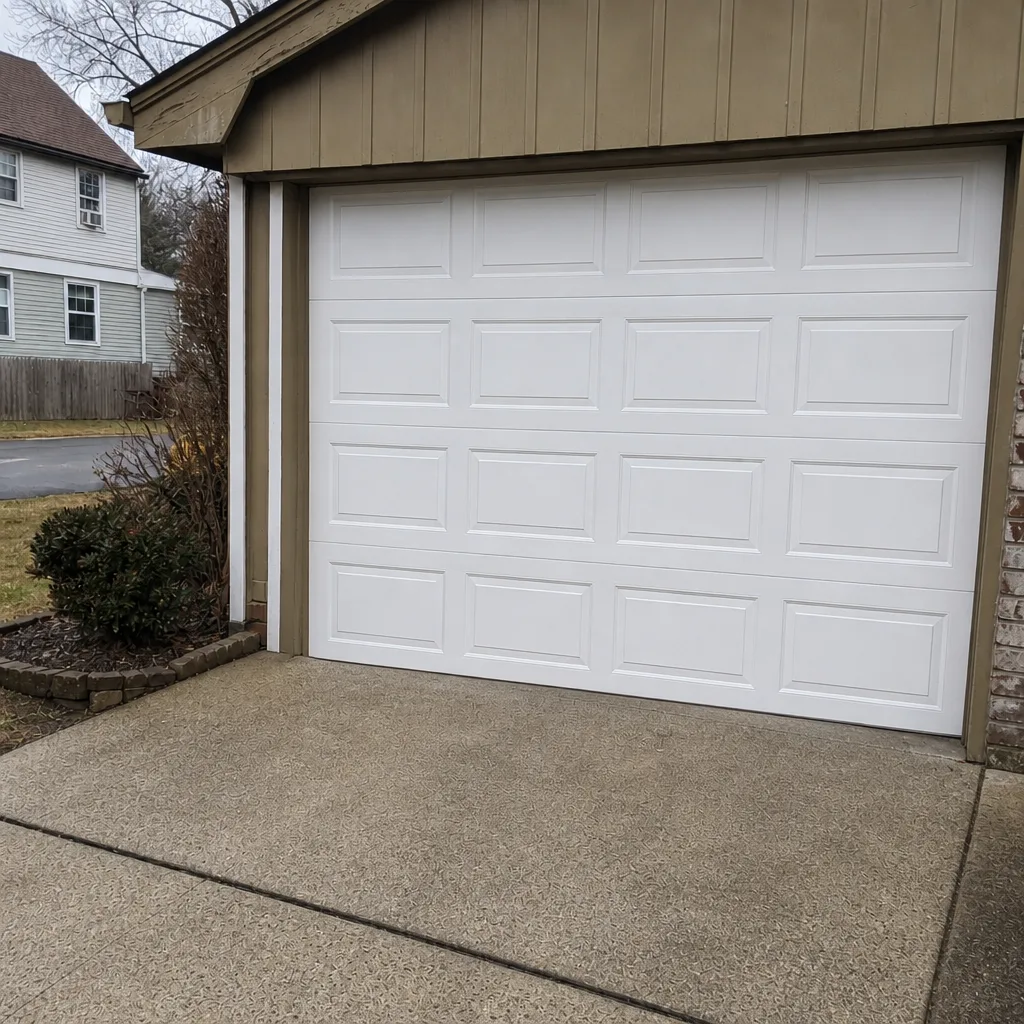
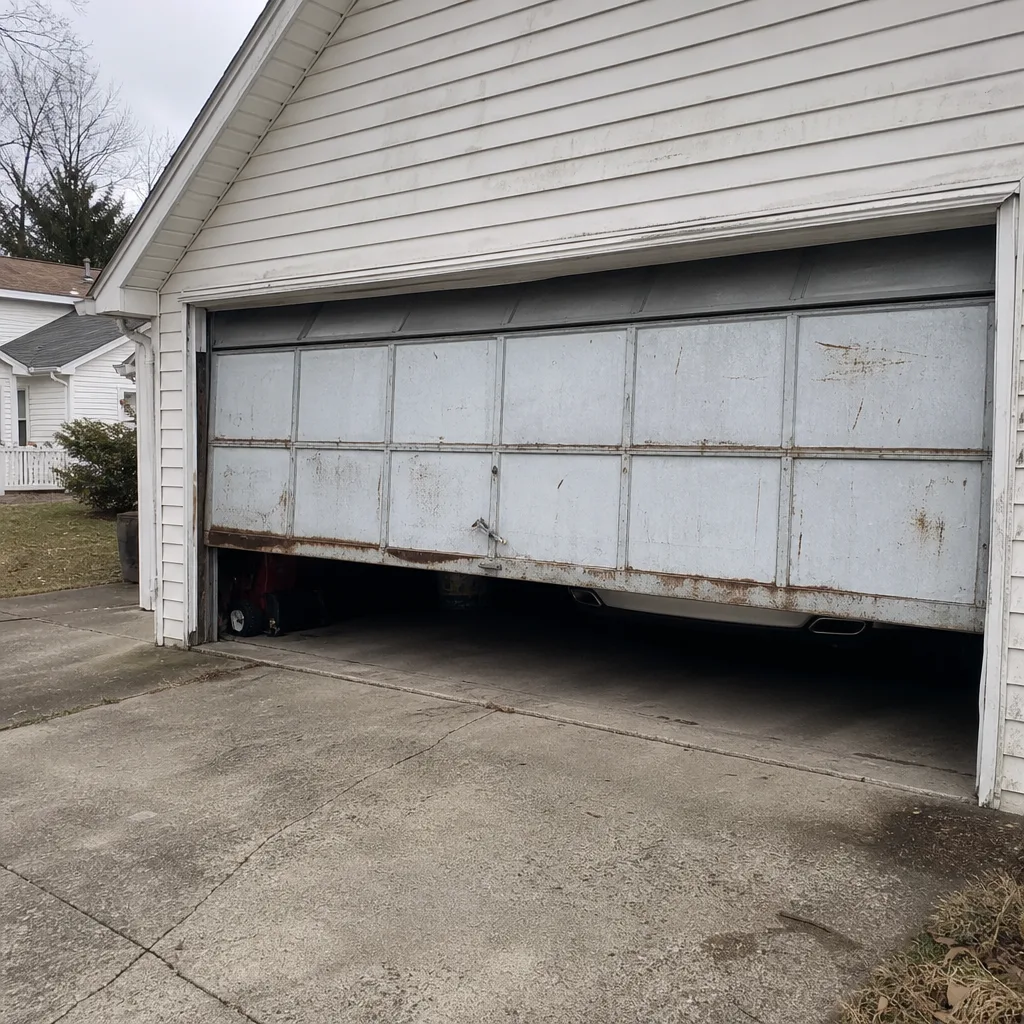
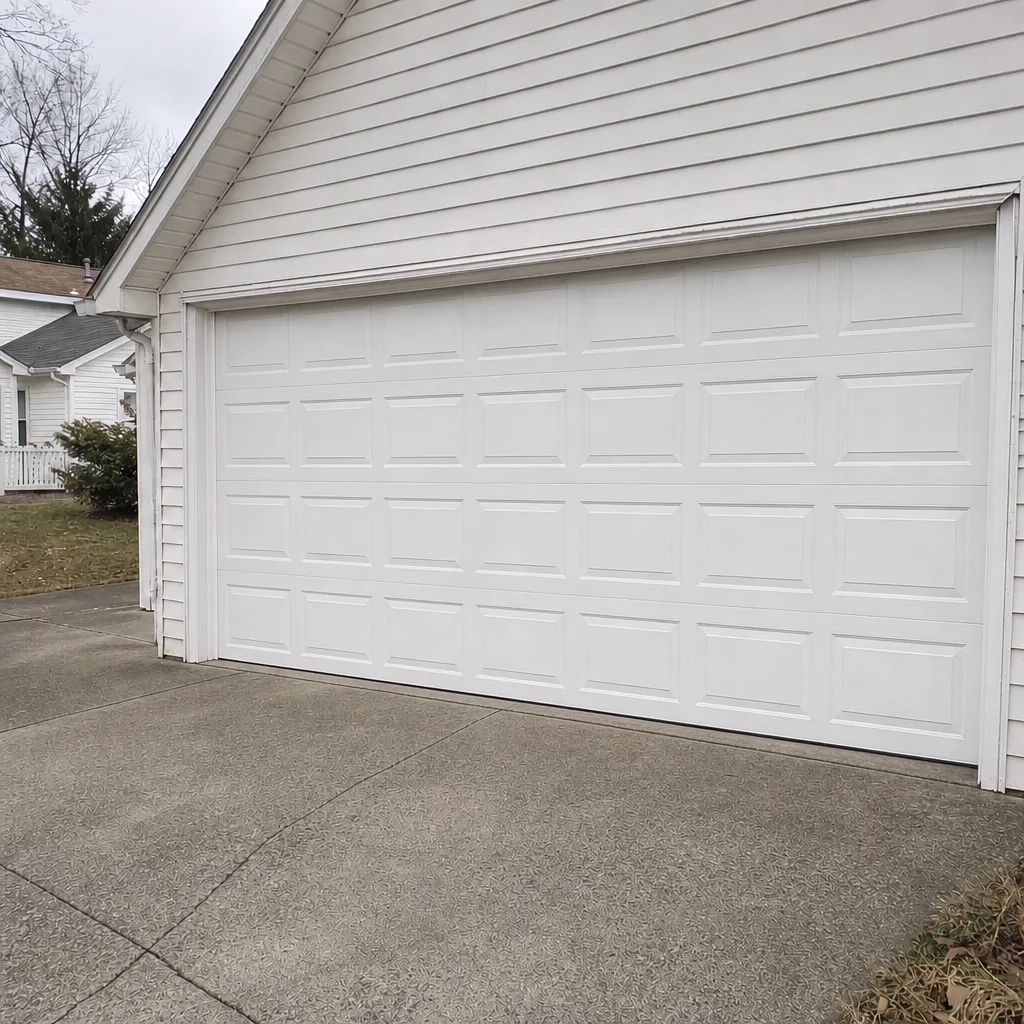
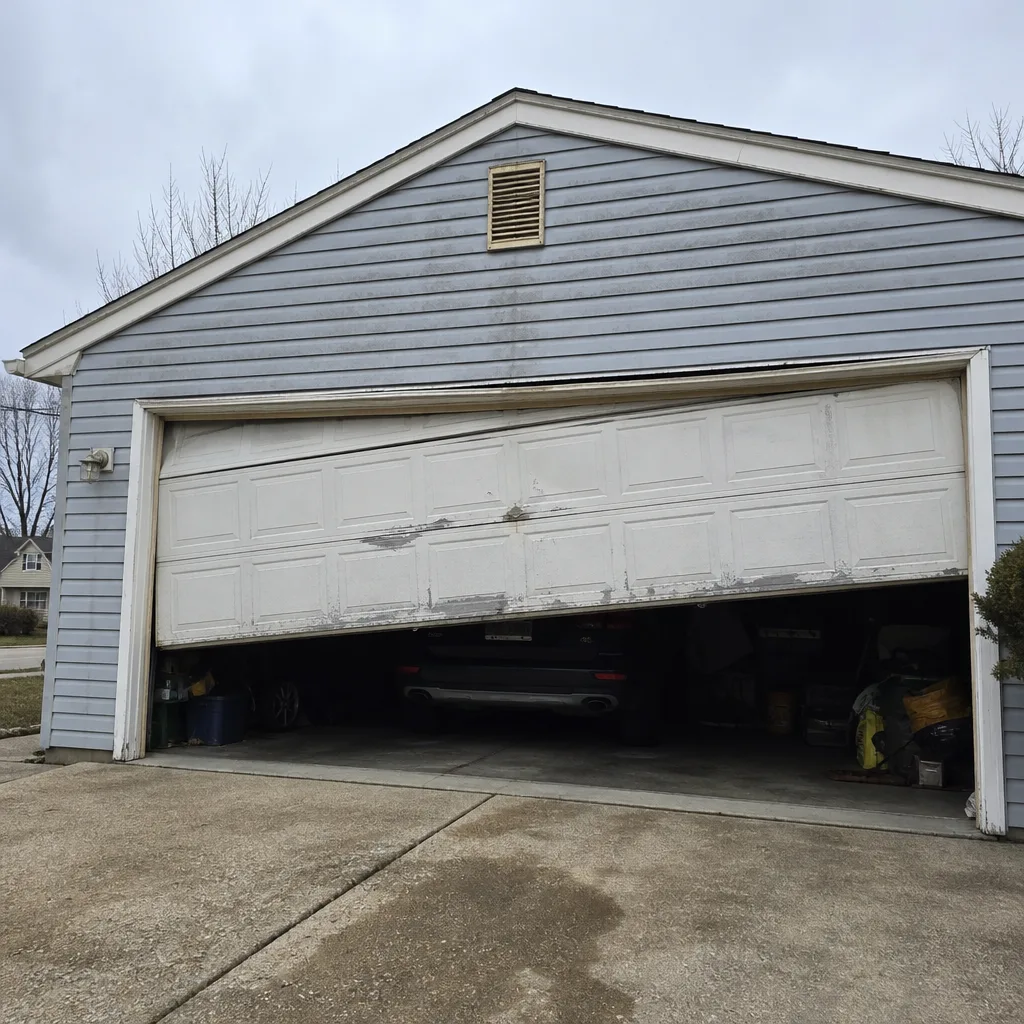
See the difference
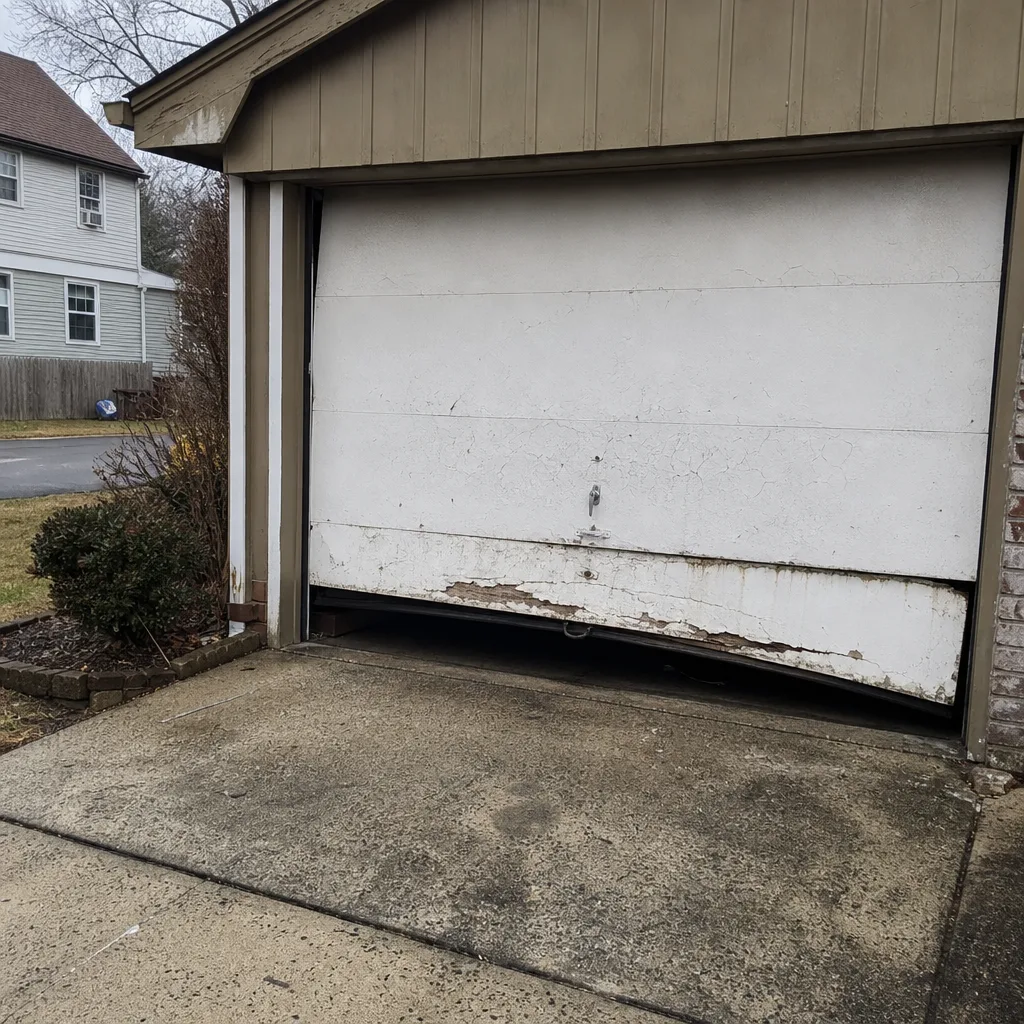 Before
 After
 Before
 After
 Before
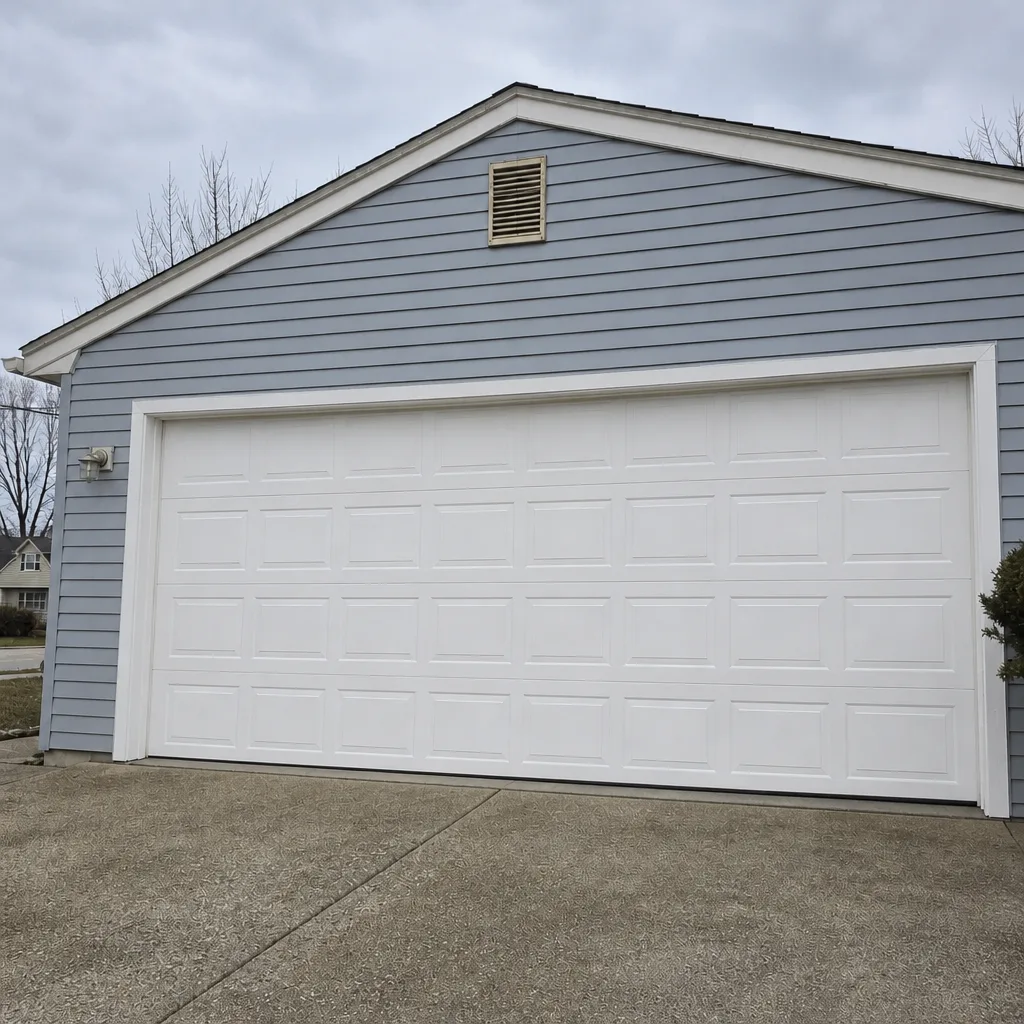 After