
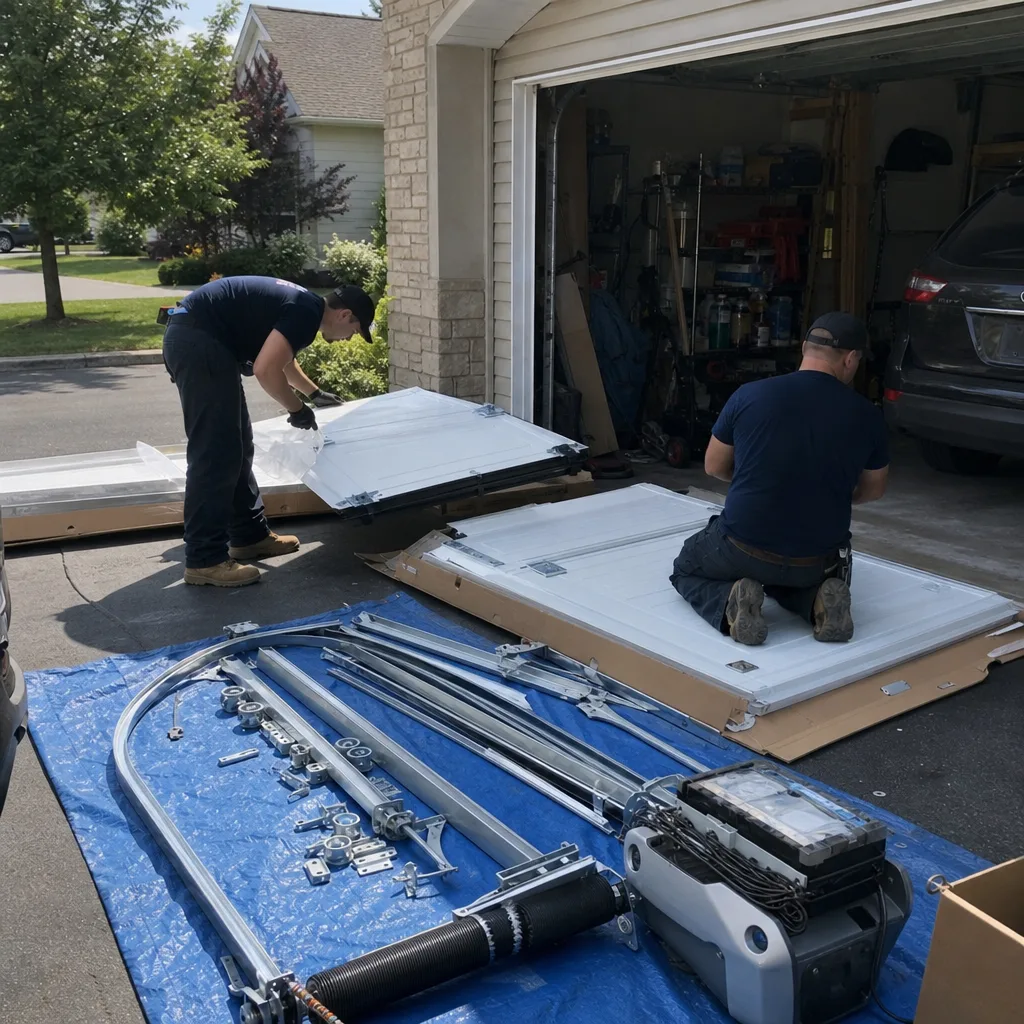
Last updated November 21, 2026
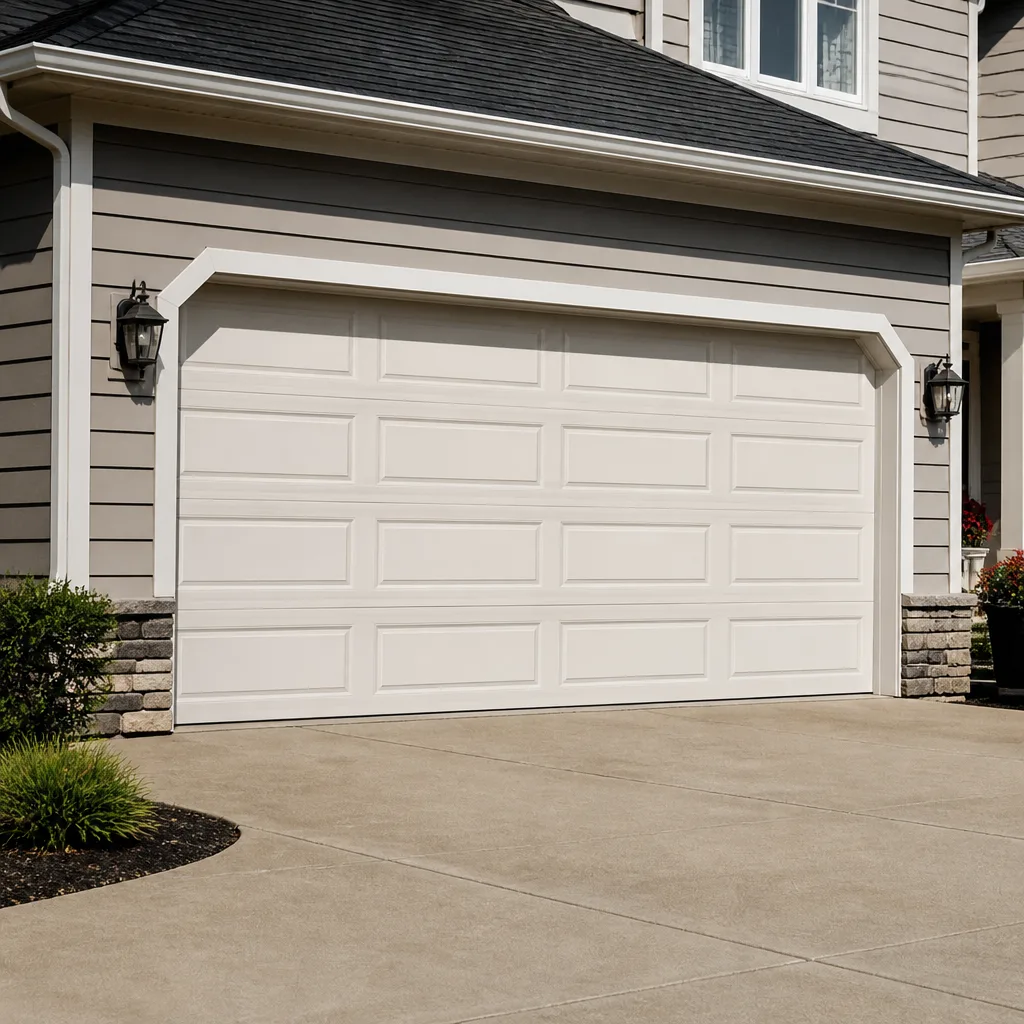 Raised-panel steel
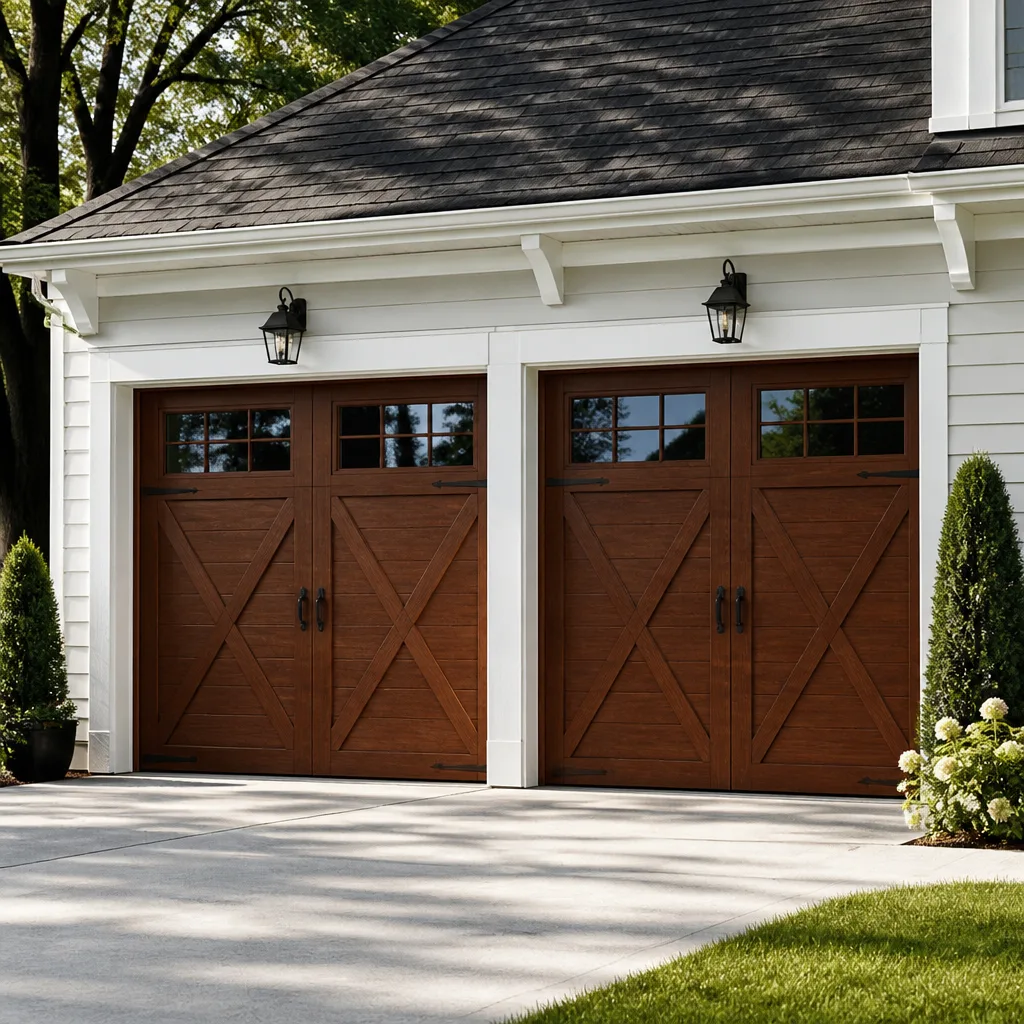 Carriage house
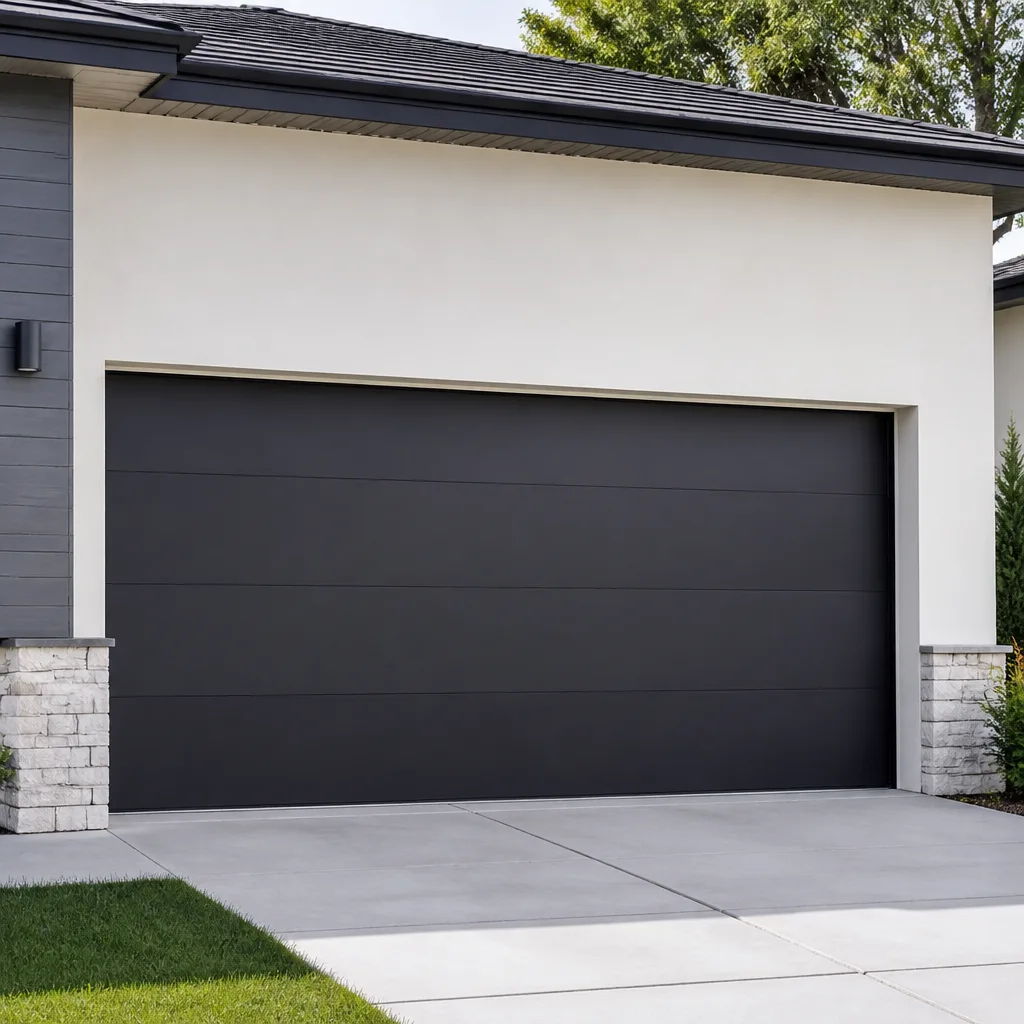 Modern flush
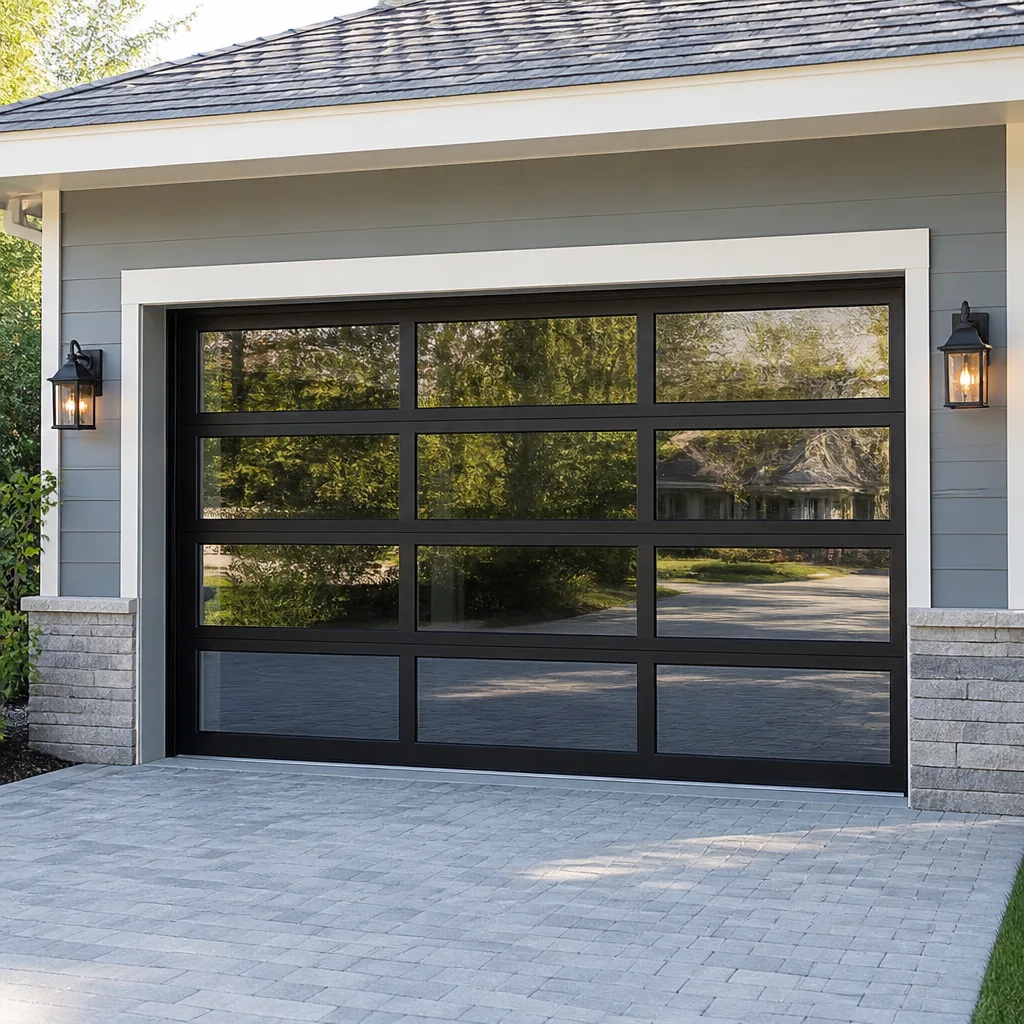 Full-view glass
 LiftMaster openers
 Chamberlain openers
Full 25-point door and opener safety check with every visit - springs, cables, rollers, tracks, and your LiftMaster or Chamberlain opener included
You get a price before we start. It does not change when the pro arrives.
Get your free estimateSeasonal Garage Door Care for Lakewood: Year-Round Homeowner’s Guide
The busiest week of the year for garage door repair calls in Lakewood isn’t after a blizzard. It’s the first hard freeze of November, when every deferred summer and fall maintenance task collects its bill at once. Humidity that seized a roller bearing back in August, oak debris packed into a track during October, a bottom seal that quietly compressed through the first cold snap – they all surface together the morning the door stops moving. The good news is that none of it has to happen. This guide walks you through a full year of garage door care sequenced to Lakewood’s actual seasons, so you’re doing the right task in the right month and nothing compounds into a repair you didn’t plan for.
Quick Answer
Garage door maintenance in Lakewood works best when it’s tied to the calendar: clean and lubricate hardware in spring after road salt season, watch roller bearings and opener sensors through the humid summer, clear tracks and sensor eyes of leaf debris in fall, and inspect seals, cables and spring tension before the first hard freeze in November. A door that gets these four checkpoints each year avoids most of the emergency calls we see in Lakewood, and the work itself takes a homeowner less than an hour per season.
Styles & brands we work with
- Raised-panel steel
- Carriage house
- Modern flush
- Full-view glass
- LiftMaster openers
- Chamberlain openers
Table of Contents
- Why Seasonal Care Matters More in Lakewood Than Most Homeowners Realize
- Summer: Humidity, Seized Bearings and the Grease Question
- Fall: Leaf Debris, Track Clogs and Sensor False-Triggers
- The Pre-Freeze Checklist: Timing It to Lakewood’s First Frost
- Late Winter: Cable Inspection After Freeze-Thaw Cycles
- Spring: Cleaning Before Re-Greasing After Road Salt Season
- Opener Care Across the Year
- The Full-Year Schedule at a Glance
Why Seasonal Care Matters More in Lakewood Than Most Homeowners Realize
A garage door is a mechanical system with about a dozen moving parts, and every one of them responds differently to heat, cold, moisture and debris. That matters in Lakewood because the seasons here don’t wear a door evenly. Summer humidity works on the rollers and hinges. Fall brings the tree canopy down into the tracks. Winter freeze-thaw cycles flex the door face and stress the bottom seal. Spring is when the residue of all of it – including road salt tracked in on tires – needs to come off before it starts eating into metal.
Most homeowners treat garage door maintenance as a single annual task, usually a quick squirt of lubricant whenever the door starts squeaking. That approach misses the point. The squeak is a symptom; the cause is usually something that started weeks or months earlier. A roller that’s been running dry since July doesn’t announce itself until the bearing seizes in October. A track packed with leaf litter doesn’t stop the door until the opener’s safety sensor trips and the door reverses halfway down.
What we’ve learned working on garage doors across Lakewood is that the homeowners who avoid emergency repairs aren’t the ones who do more work – they’re the ones who do the right work at the right time. This guide is built around that idea. Each section below corresponds to a season, and each season has a short, specific set of tasks that address what that season is actually doing to your door.
One more thing worth saying up front: not every task in this guide is a do-it-yourself job. Basic cleaning and lubrication are safe for any homeowner. Springs, cables and anything under tension are not – those are jobs for a trained technician, and we’ll flag them clearly as we go. If you ever want a trained eye on the whole system, our garage door repair service covers everything from a single hinge to a full panel replacement.
Summer: Humidity, Seized Bearings and the Grease Question
July and August are when Lakewood’s humidity peaks, and the parts of your garage door that suffer most are the roller bearings and the hinges. Steel rollers run on small sealed bearings packed with grease. When the grease dries out or gets displaced, moisture in the air finds its way in, and the bearing starts to corrode from the inside. By the time you hear the grinding sound, the bearing is usually already past saving.
The fix is straightforward if you catch it early: lubricate the rollers, hinges and bearing plates before the humid stretch, not after. The grease question matters more than most homeowners realize. A light household oil or a thin silicone spray will quiet a squeak, but it won’t hold up through a Lakewood summer. What you want is a lithium-based or silicone-based garage door lubricant with enough body to stay put on the bearing surface through weeks of warm, damp air. Spray lubricants that feel watery when applied tend to run off the bearing and leave it dry again within a week.
A practical summer checklist looks like this:
- Wipe down each roller and hinge with a clean rag to remove old grease and grit.
- Apply a lithium or silicone-based garage door lubricant to each roller bearing, hinge pivot and bearing plate.
- Wipe off any excess so it doesn’t attract dust.
- Open and close the door a few times and listen for any roller that still grinds or squeals – that’s your warning sign.
- Check the opener’s safety sensors at the bottom of each track for cobwebs or insect nests, which build up fast in warm weather.
- Test the auto-reverse by placing a roll of paper towels in the door’s path and confirming it reverses on contact.
If you’re running a LiftMaster or Chamberlain opener, this is also a good moment to check that the wall control and remotes are responding cleanly. Warm weather doesn’t usually affect the electronics, but a weak battery in a remote will often show up first as intermittent operation on hot days. If your opener is behaving oddly and you’re not sure whether it’s the remote, the sensor or the logic board, our garage door opener repair service covers diagnosis on all the major brands, including Genie and Chamberlain systems.
Fall: Leaf Debris, Track Clogs and Sensor False-Triggers
Lakewood’s tree canopy is one of the things that makes the town what it is, and it’s also one of the biggest seasonal threats to your garage door. October is when the leaves come down, and they don’t just land on the driveway. They blow into the garage, they collect in the tracks, and they end up sitting directly in front of the safety sensor eyes at the bottom of each track.
The sensor problem is the one homeowners most often misdiagnose. When a leaf or a twig blocks a sensor, the door won’t close, or it closes partway and reverses. From inside the garage, it can look like the opener has failed. It usually hasn’t. A quick clear of the sensor eyes and the track ends solves it in most cases. The trick is to clear the tracks before the leaves are deep enough to cause the problem, not after.
Fall tasks worth building into your routine:
- Clear leaves and debris from both tracks using a stiff brush or a shop vac with a narrow nozzle – do this weekly during peak leaf fall.
- Wipe the sensor lenses on both sides with a soft cloth; even a thin film of dust combined with a stray leaf can trip them.
- Check that the sensor brackets haven’t been bumped out of alignment – they should point directly at each other.
- Inspect the weather seal along the bottom of the door for cracks or gaps that will let cold air and moisture in once the temperature drops.
- Look for any loose hinge screws or roller brackets that worked themselves loose over the summer.
The other thing to watch in fall is the door’s balance. With the door closed, pull the manual release and lift the door about halfway by hand. It should stay in place with minimal effort. If it drops or feels heavy, the springs are losing tension – and that’s a job for a trained technician, not a homeowner. We’ll come back to that in the pre-freeze section, because it’s directly tied to Lakewood’s first frost.
The Pre-Freeze Checklist: Timing It to Lakewood’s First Frost
November is the month when deferred maintenance catches up with Lakewood homeowners. The first hard freeze of the season exposes every weak point in the system at once: a bottom seal that was already cracked splits open, a spring that was losing tension finally gives out, and a door that was running fine in October suddenly won’t close all the way. The way to avoid being part of that pattern is to do a proper pre-freeze inspection before the cold hits, ideally in the last week or two of October.
Here’s the checklist we recommend for that window:
- Inspect the bottom seal. Run your hand along the rubber seal at the base of the door. Any cracks, compression or gaps mean it won’t seal against the cold, and it’ll let in moisture that freezes and expands. Replace it before the first freeze.
- Check spring tension by hand test. With the door closed and the opener disconnected, lift the door halfway. It should feel light and stay in place. If it’s heavy or won’t hold, the springs need attention – and that’s a call to a technician, not a DIY job.
- Look at the cables. With the door closed, inspect both cables for fraying, kinks or slack. Any visible damage means the cable should be replaced before winter.
- Lubricate the hinges and rollers one more time. This is your last chance before the cold makes the grease stiff.
- Test the auto-reverse. Cold weather can make the door stiffer, which affects how the opener responds – make sure the safety reverse still works cleanly.
- Clear the tracks one final time. Any debris left in the tracks will freeze in place and bind the door.
A word on the spring and cable checks: these are the two jobs in this entire guide that we don’t recommend any homeowner do themselves. Garage door springs are under extreme tension even when the door is closed, and the cables that run alongside them are under the same load. A spring or cable that releases unexpectedly can cause serious injury. We handle garage door spring repair with the proper winding bars and safety procedures, and we’d rather you call us than take that risk on your own.
Late Winter: Cable Inspection After Freeze-Thaw Cycles
By February and March, Lakewood’s garage doors have been through weeks of freeze-thaw cycles. The pattern is familiar: daytime temperatures rise enough to melt snow and ice on the door face, then drop below freezing overnight, and any moisture that got into the door’s joints and hardware freezes in place. Repeated cycles stress the cables, the hinges and the door’s frame itself.
The cable is the part to watch most closely. Cables run from the bottom bracket up along each side of the door and over the drums at the top. When ice builds up in the drum or on the cable itself, the cable can bind, kink or fray. A frayed cable is a genuine safety concern – it can snap under load, and when it does, the door drops. If you see any sign of fraying, kinking, or a cable that looks slack on one side but tight on the other, that’s a call-a-professional moment.
Late winter is also a good time to check for ice dam damage at the top of the door opening. Ice dams – the ridges of ice that form along the roofline – can push water back under the door’s top seal, and that water finds its way into the opener rail and the door’s top panel. If you’ve had ice dams this season, look for water stains or rust along the top seal and the opener rail. A rusted opener rail on a Chamberlain or Genie unit can cause binding that looks like an opener failure but is actually a mechanical issue above it.
Other late-winter checks:
- Inspect both cables for fraying; replace any cable that shows visible damage.
- Check the door’s panels for cracks or separation along the seams – freeze-thaw cycles can force water into seams and split them.
- Look at the bottom seal again; winter compression can leave it permanently deformed.
- Confirm the opener’s safety sensors are still aligned; snow and ice pushed up against them from the driveway can knock them out of position.
Spring: Cleaning Before Re-Greasing After Road Salt Season
By the time spring arrives in Lakewood, your garage door has spent months being exposed to whatever the road threw at it. Road salt tracked in on tires settles on the door’s hinges, rollers and bottom bracket. Left on the metal, it accelerates corrosion, and greasing over it just traps the salt against the surface where it does the most damage.
The spring routine is a two-step process, and the order matters:
- Clean first. Mix a mild detergent with warm water and wipe down the hinges, roller brackets, bearing plates and bottom bracket with a damp cloth. For heavier salt residue, a soft brush helps. Wipe everything dry before moving to step two.
- Then re-grease. Apply a fresh coat of lithium or silicone-based lubricant to every hinge pivot, roller bearing and bearing plate. Pay attention to the bottom bracket specifically – it’s the part that takes the most salt exposure.
- Inspect the springs one more time. Spring coils can show rust after a winter of exposure; surface rust is fine but deep pitting or a coil that looks deformed is a sign the spring is nearing the end of its life.
- Test the door’s balance again. After a winter of freeze-thaw, springs may have lost some tension.
- Run the opener through a full open-and-close cycle and confirm the sensors still respond cleanly.
This is also the season when a lot of Lakewood homeowners start thinking about a new door or a major upgrade. If you’re in that boat, spring is a good time to plan an install – but it’s not a same-day emergency situation, so take the time to get a proper measure and a written price. Whether you’re looking at a Clopay or an Amarr panel or you just want a straight answer on whether your current door is worth repairing, we’re happy to give you an honest read. Our Marbury Garage Door Repair team works with all the major brands and can help you plan the timing without pressure.
Opener Care Across the Year
Most of this guide is about the door itself, because the door is where the seasonal wear happens. But the opener has its own seasonal rhythms, and a little attention through the year keeps it running clean. Here’s what each season asks of your opener:
- Summer: Check the remote batteries and confirm the wall control responds cleanly. Warm weather doesn’t usually stress the electronics, but weak batteries show up first on hot days.
- Fall: Test the safety sensors weekly during leaf season; this is when they trip most often.
- Pre-freeze: Make sure the opener’s force settings are matched to the door. If the door feels stiffer in cold weather, a setting that worked in October might strain in December.
- Late winter: Check the opener rail for rust or ice damage; if you’ve had ice dams, look for water stains along the rail.
- Spring: Wipe down the opener housing and check that the safety reverse still works cleanly after a winter of use.
If your opener starts behaving inconsistently – hesitating, reversing for no reason, or refusing to close – the cause is usually one of three things: a sensor issue, a force setting that’s drifted, or a mechanical problem with the door itself. The way to tell which is to release the opener and test the door by hand. If the door moves smoothly by hand, the problem is likely in the opener or the sensors. If the door binds or feels heavy by hand, the opener is fine and the door needs attention. That simple test saves a lot of guesswork – and it’s the same test our technicians run first when we diagnose an opener problem.
The Full-Year Schedule at a Glance
Here’s the whole sequence in one table you can print and stick on the garage wall:
- March-April (Spring): Clean hinges and brackets of road salt, then re-grease. Inspect springs for rust. Test door balance. Check opener reverse.
- May-June (Late Spring): Lubricate rollers and hinges before humidity arrives. Test safety sensors. Check remote batteries.
- July-August (Summer): Re-lubricate roller bearings with a heavier lithium or silicone grease. Clear sensor eyes of cobwebs. Test auto-reverse.
- September (Early Fall): Clear tracks weekly during leaf fall. Wipe sensor lenses. Check bottom seal for cracks. Look for loose hinge screws.
- October (Pre-Freeze): Inspect bottom seal for compression. Hand-test spring tension. Inspect cables. Final lubrication. Final track clear. Test auto-reverse.
- November-February (Winter): Monthly visual check of cables, bottom seal and opener rail. Watch for ice dam damage at the top of the door opening.
- February-March (Late Winter): Full cable inspection. Check panels for freeze-thaw damage. Re-inspect bottom seal.
Two of these checkpoints – the October pre-freeze checklist and the February cable inspection – are the ones that most directly prevent the emergency calls we see in Lakewood. Get those two right and the rest of the year gets a lot easier.
Common Mistakes to Avoid
- Greasing over road salt in spring. Applying new grease without cleaning first traps salt against the metal, which accelerates corrosion rather than preventing it. Clean first, always.
- Using a thin spray lubricant on roller bearings. A watery lubricant runs off the bearing surface within a week. Use a lithium or silicone-based grease with enough body to stay put through a Lakewood summer.
- Waiting for the first freeze to check the bottom seal. By the time the first hard freeze hits, a compromised seal has already let moisture in. Inspect the seal in October, not November.
- Trying to adjust spring tension yourself. Garage door springs are under extreme tension even when the door is closed. This is the single most dangerous DIY garage door task, and it’s the one we most strongly recommend against.
- Ignoring sensor alignment after clearing leaves. Clearing the leaves is only half the job – if the sensor brackets got bumped while you were clearing, the door still won’t close. Check the alignment afterward.
- Assuming an opener fault is an opener fault. Most “opener problems” are actually door problems – a binding track, a heavy door or a seized roller. Release the door and test it by hand before calling about the opener.
- Skipping the spring clean entirely. It’s the easiest checkpoint in the year to skip, and it’s the one that lets road salt do the most damage over the summer.
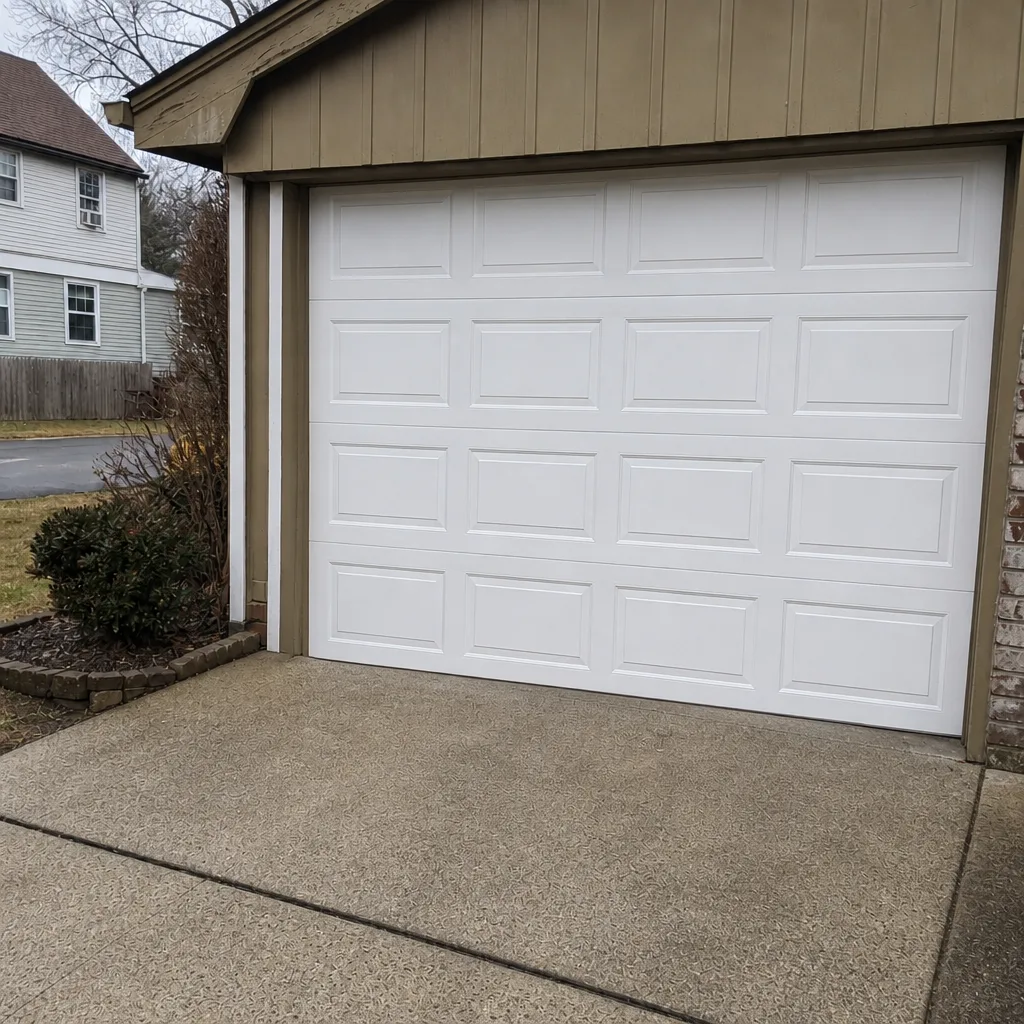
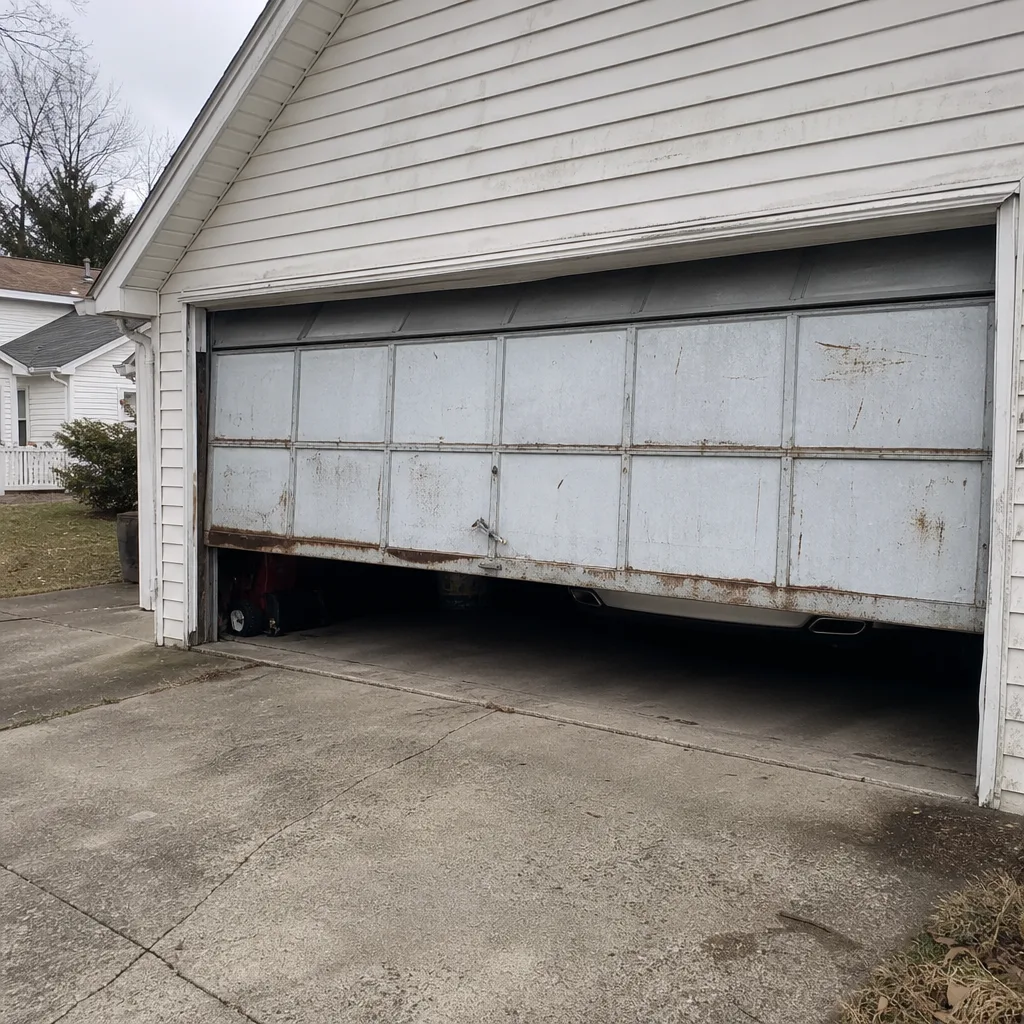
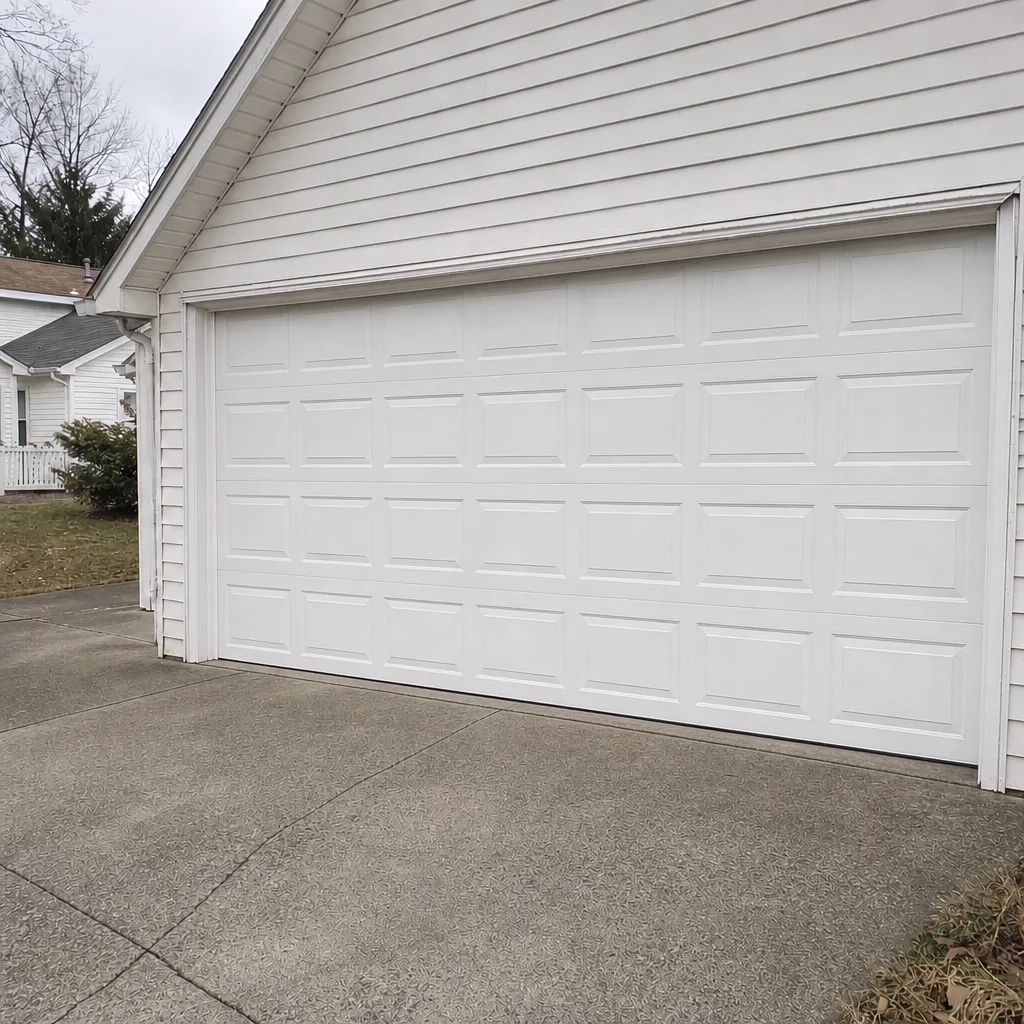
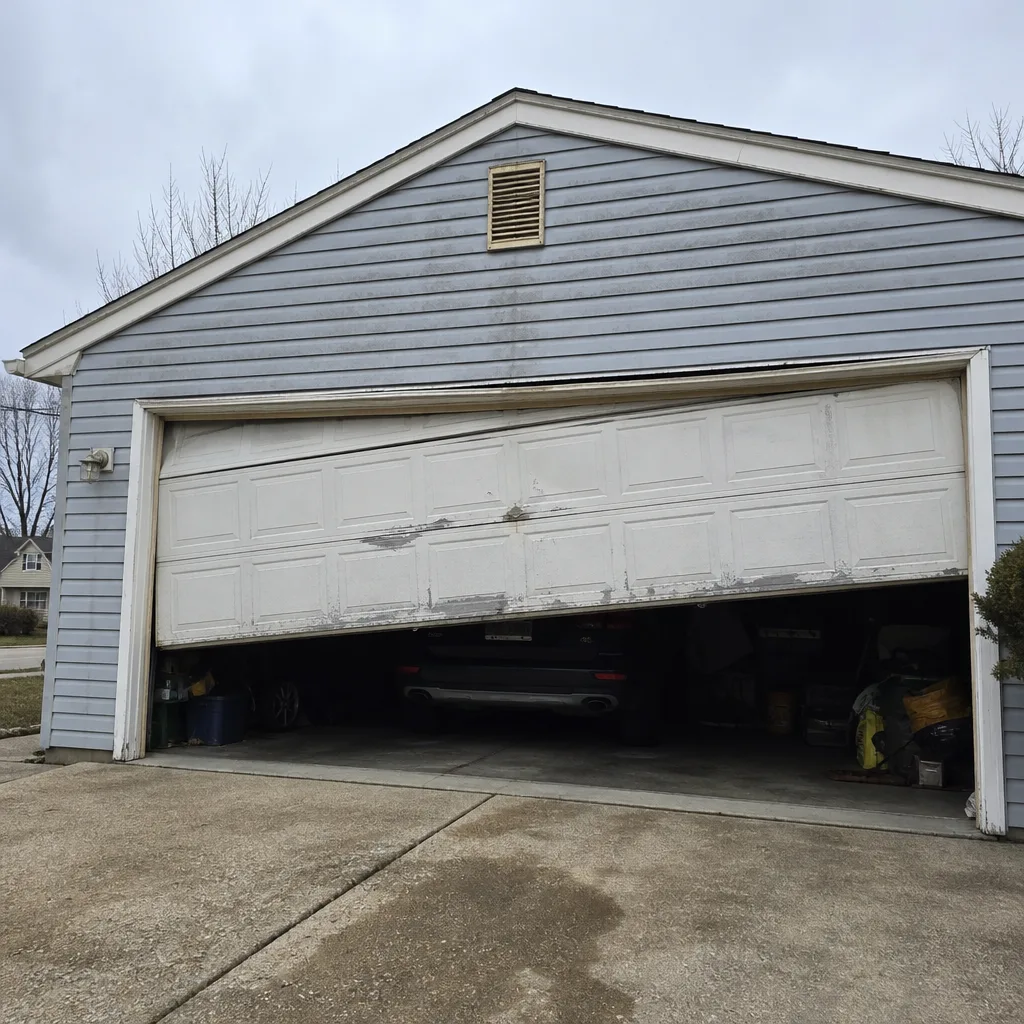
See the difference
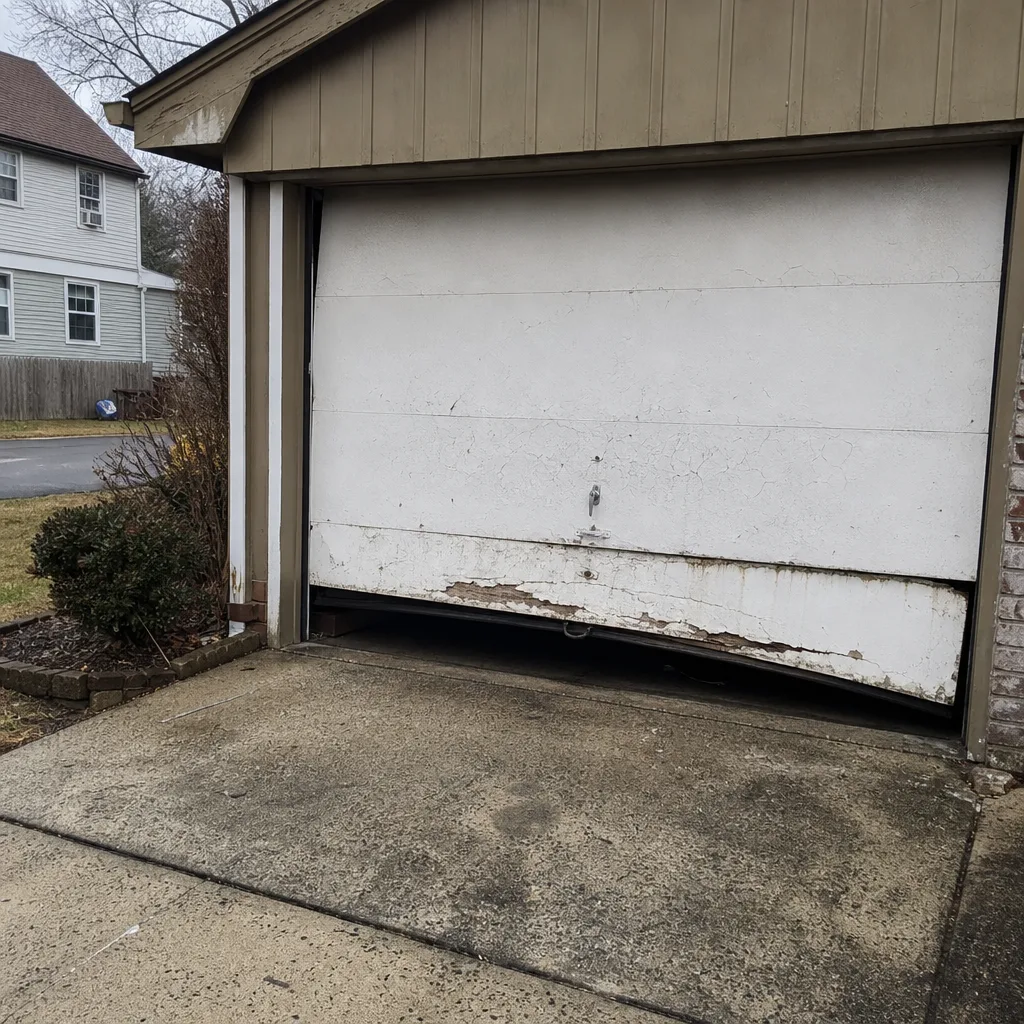 Before
 After
 Before
 After
 Before
 After
When to Call a Professional
Most of this guide is safe for a homeowner to handle. A few tasks aren’t. Call a professional if you find any of the following: a frayed, kinked or slack cable; a spring that looks deformed, rusted through or has lost tension on the hand test; a door that binds, drops or feels heavy when you lift it by hand; visible damage to the door panels along the seams; or an opener that reverses for no reason and doesn’t respond to sensor clearing. Springs and cables are genuinely dangerous to handle without training, and the risk isn’t worth it. For everything else, our technicians have up to 12 years of experience and work on all the major brands – Chamberlain, Genie, Clopay, Amarr and the rest. Marbury Garage Door Repair offers free estimates in Lakewood – call (877) 239-9718. We answer 24/7, and fast dispatch runs from 7am to 7pm, Sunday through Friday.
Frequently Asked Questions
Twice a year is enough for most Lakewood homes, timed to the seasons: once in spring after road salt season, and once in late spring or early summer before the humidity peaks. If you have a heavy wood door or a door that sees a lot of daily use, a third lubrication in the fall before the first freeze is worth doing. Use a lithium or silicone-based garage door lubricant rather than a thin household oil, and wipe off any excess so it doesn’t collect dust.
The most common winter problem is a bottom seal that’s already cracked or compressed going into the season, then splits completely once the first hard freeze hits. The second most common is a spring that was losing tension through the summer and fall and gives out under the first cold load. Both are preventable with an October inspection, which is why the pre-freeze checklist in this guide is the single most valuable item on the list.
No – this is the one garage door task we strongly advise against doing yourself. Garage door springs are under extreme tension even when the door is closed, and a spring that releases unexpectedly can cause serious injury. The tools alone – proper winding bars and the technique to use them safely – take training to use. Call a technician for this job. It’s not worth the risk, and the wrong spring install can also damage the door’s cables and brackets.
Yes, and that’s normal. Cold weather makes the door’s grease stiffer and the metal slightly less flexible, so the opener has to work a bit harder. What you want to watch for is a door that reverses for no reason or won’t close all the way – that usually means a sensor issue or a force setting that needs adjusting, not an opener that’s failing. If your opener is a LiftMaster or Chamberlain and it’s behaving inconsistently in cold weather, a technician can usually diagnose it quickly.
Late October, just before the first hard freeze, is the single best month for a tune-up. That’s when a technician can catch bottom seal compression, spring tension loss and cable wear before the cold makes them into an emergency. If you missed October, February or March – after the worst of the freeze-thaw season – is the next best window. Either way, don’t put it off until the door actually stops working.
Release the opener using the manual release cord, then lift the door by hand. If it moves smoothly and stays where you leave it, the door is fine and the problem is in the opener or the sensors. If the door feels heavy, binds or won’t stay put, the opener is fine and the door needs attention. That one test solves most diagnosis questions and saves you from paying for the wrong repair. And if you’re not sure, call us – estimates are free.
The Bottom Line
Garage door care in Lakewood comes down to timing. Summer is for lubrication and humidity defense. Fall is for leaf clearing and sensor checks. October is for the pre-freeze checklist, which is the one month that prevents most winter repairs. Late winter is for cable inspection after freeze-thaw. Spring is for cleaning road salt off before re-greasing. Add a mid-year opener check and you’ve covered the whole system. None of these tasks is hard, but each one addresses a specific seasonal threat that Lakewood throws at a door, and skipping any of them shifts the burden onto the next season. The homeowners who avoid emergencies aren’t doing more – they’re doing the right task at the right time.
If you’d rather have a trained eye on the whole system, we work on every major brand and cover repair, spring work, opener service and full installation under one company. Call (877) 239-9718 for a free estimate. We answer 24/7. Fast dispatch from 7am to 7pm, Sunday through Friday.
Written by the team at Marbury Garage Door Repair.