
Last updated November 21, 2026
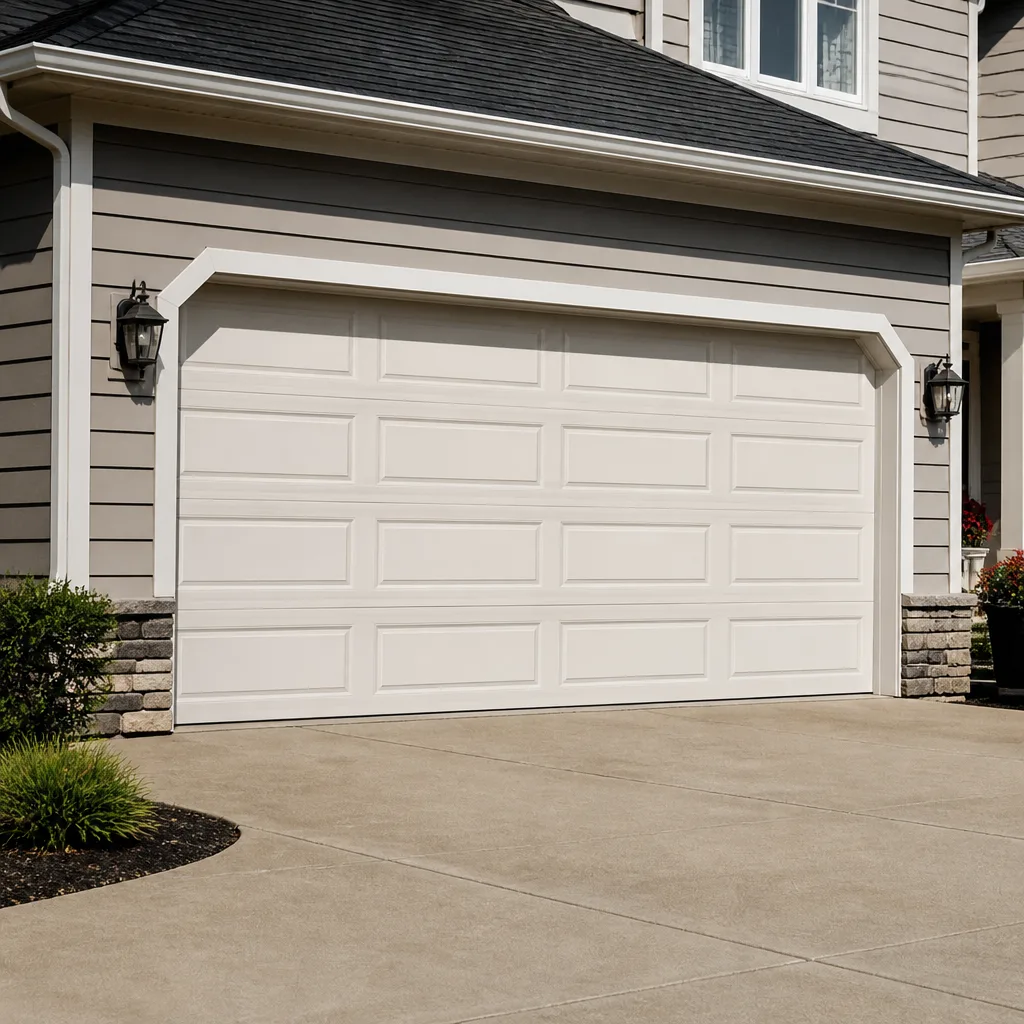 Raised-panel steel
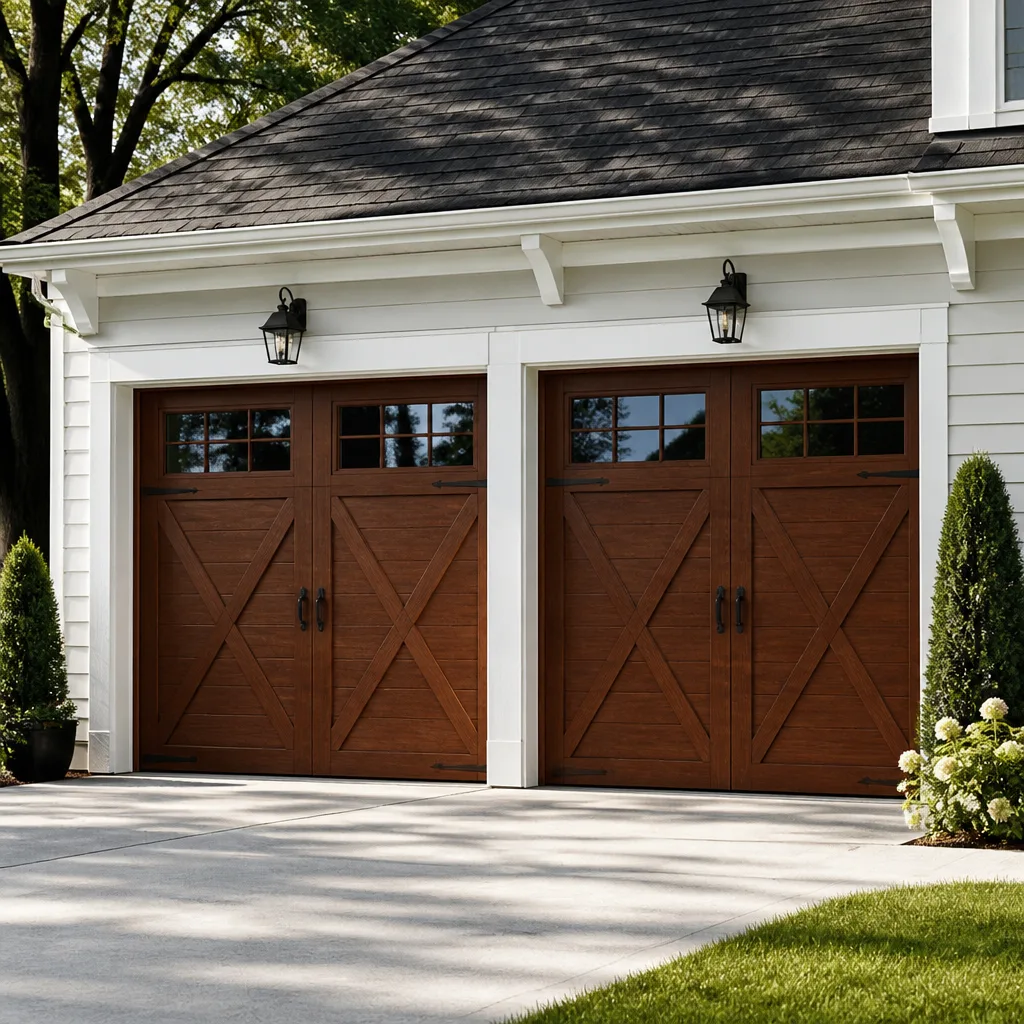 Carriage house
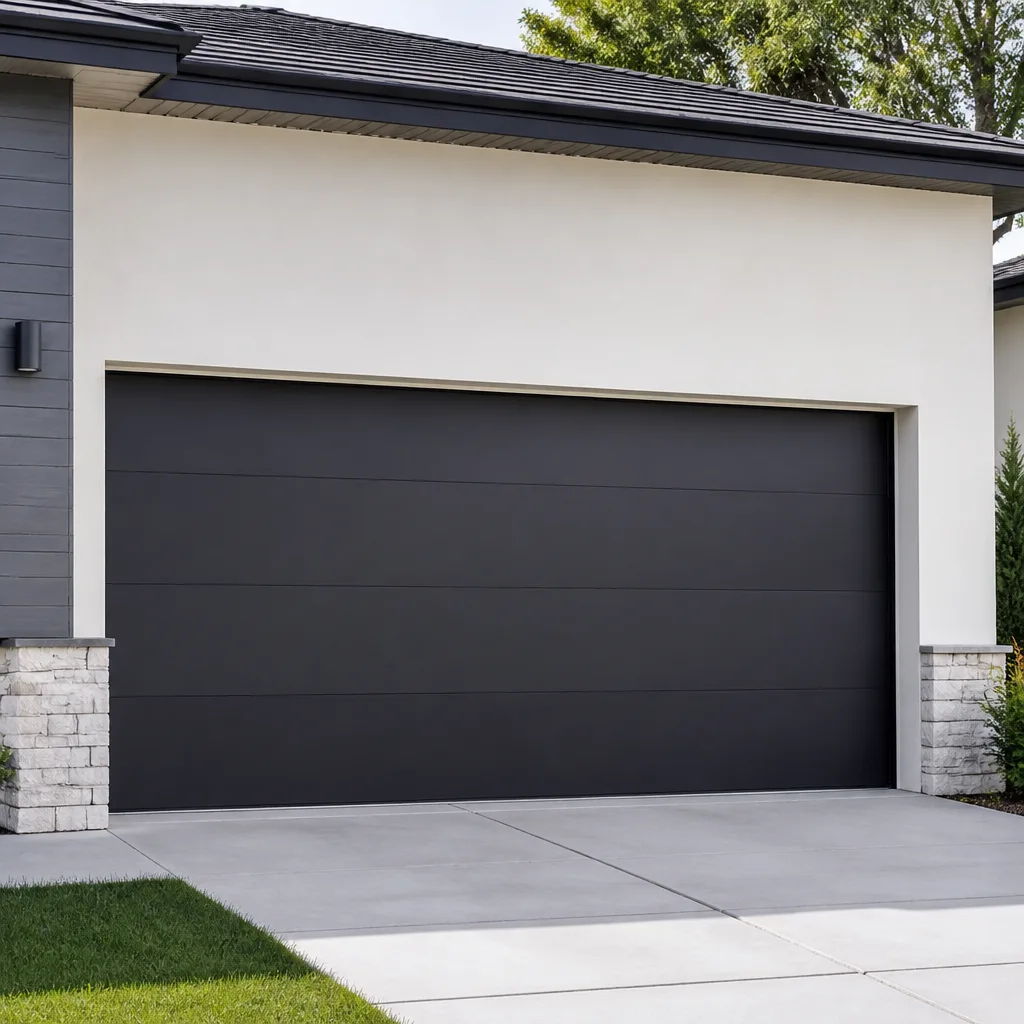 Modern flush
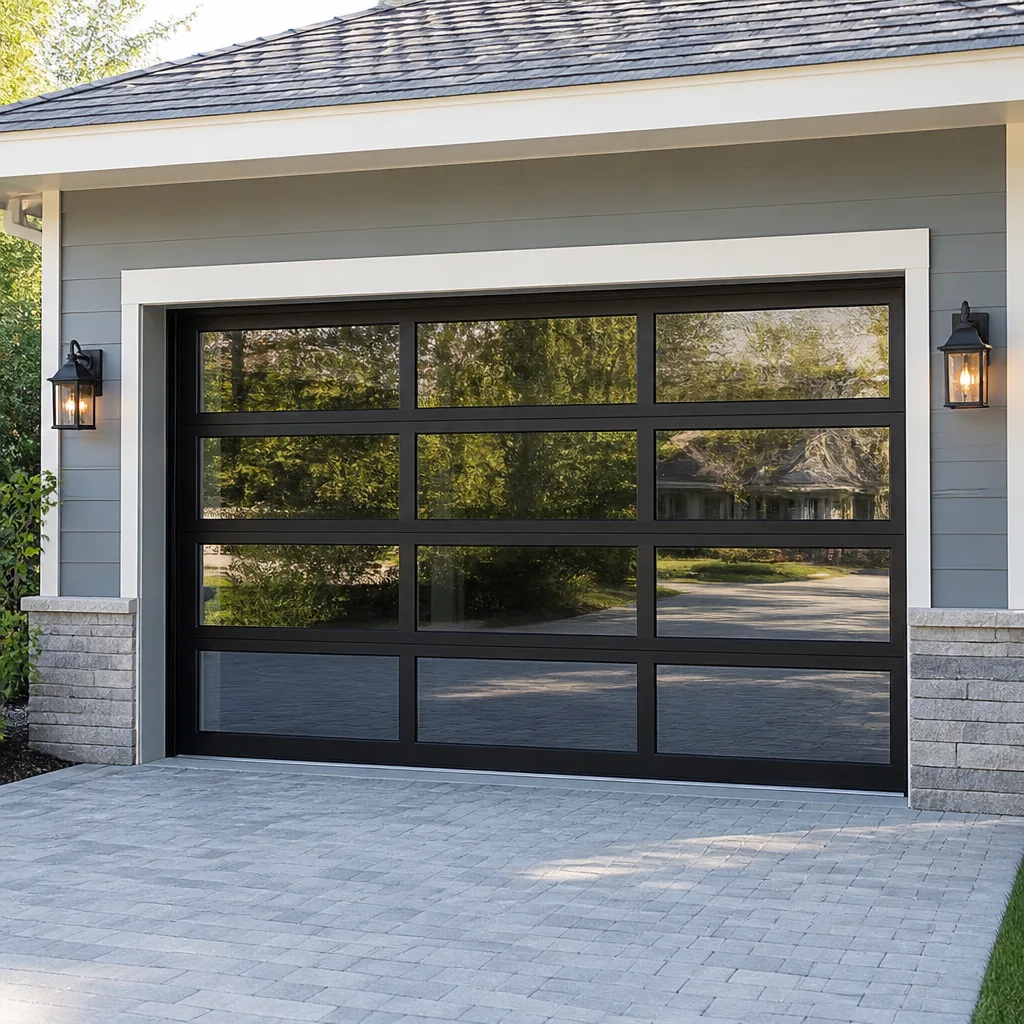 Full-view glass
 LiftMaster openers
 Chamberlain openers
Full 25-point door and opener safety check with every visit - springs, cables, rollers, tracks, and your LiftMaster or Chamberlain opener included
You get a price before we start. It does not change when the pro arrives.
Get your free estimateGarage Door Warning Signs: A Lakewood Homeowner’s Reference Guide
A grinding sound and a slow-moving door can look like the same problem. They rarely are. One is often a dry roller asking for a little lubrication. The other can be a motor straining against a spring that’s losing tension, and when a torsion spring lets go it releases stored force with enough violence to damage the door, the opener, or anything in its path. The difference between those two situations is the difference between a small tune-up and an emergency call. This guide sorts the warning signs Lakewood homeowners see most into three buckets: watch it, schedule it, and stop using the door now. By the end you’ll know which noise matters, which one just needs a screwdriver, and what to photograph before you pick up the phone.
Quick Answer
Garage door warning signs fall into three severity tiers. Watch it: minor squeaks, a single loose bolt, a slightly noisy roller. Schedule it: a door that reverses on its own, uneven movement, a remote that only works up close, or visible gaps in the panels. Stop using it now: a broken spring (you’ll hear a loud snap and the door won’t lift), a door hanging crooked with a snapped cable, or any door that free-falls when you disengage the opener. If you’re in the third group, keep the door closed, don’t force it, and call a professional. Any sign you can’t place, call (877) 239-9718. We answer 24/7, with fast dispatch from 7am to 7pm.
Styles & brands we work with
- Raised-panel steel
- Carriage house
- Modern flush
- Full-view glass
- LiftMaster openers
- Chamberlain openers
Table of Contents
- The Severity-Ranked Symptom Index
- What the Sounds Are Telling You
- Movement Patterns That Signal Trouble
- The 10-Foot Spring Inspection You Can Do Without Touching Anything
- Opener Behavior: Circuit Board vs. Sensor vs. Trolley
- Why Lakewood’s Temperature Swings Cause Seasonal False Alarms
- How to Document Warning Signs Before You Call
- Visual Signs You Can Spot From the Driveway
The Severity-Ranked Symptom Index
Most garage door problems announce themselves in one of three ways: a sound, a movement pattern, or something you can see. The trick is separating the harmless from the urgent without overreacting to either. Here’s how we sort what Lakewood homeowners describe to us.
Tier 1: Watch It
These symptoms are worth noting but rarely mean immediate danger. Keep an eye on them and address them at your next convenience.
- A rhythmic squeak that comes and goes
- One roller that sounds louder than the others
- A single bolt that works loose over time
- The door body vibrating slightly when the opener starts
- A remote that needs a fresh battery sooner than expected
Tier 2: Schedule It
These signs mean something is wearing, misaligned, or failing in a way that will get worse. Book a repair before it turns into a Tier 3 problem.
- The door reverses before it fully closes, or reverses on its own
- The door moves unevenly, with one side lagging
- The opener struggles or hesitates at the start of a lift
- Visible gaps between panels or a panel that looks bowed
- A remote that only works from a few feet away
- The safety sensors trigger on shadows or need constant adjustment
- Loud popping or banging once per cycle (once, not repeatedly)
Tier 3: Stop Using the Door Now
These are the signs where continuing to operate the door risks injury or serious damage. Close it if you can, leave it, and call a professional. Don’t try to force it.
- You heard a loud snap or bang and the door won’t lift
- The door hangs crooked with visible slack in one cable
- A torsion spring shows a clear gap in the coil
- The door free-falls when you pull the release cord
- The door came off one track or one side is off the rollers
- The opener runs but the door doesn’t move, and you smell a hot motor
If you recognize your situation in Tier 3, don’t run the opener to “test” it again. Each cycle puts more load on a system that’s already compromised. Call (877) 239-9718. We answer 24/7, with fast dispatch from 7am to 7pm.
What the Sounds Are Telling You
Sound is the first warning sign most people notice, and it’s also the easiest to misread. A quiet operator running smoothly on a well-adjusted door has almost no sound signature at all. Once you know what you’re listening for, the noise gets pretty specific.
Squeaks and High-Pitched Whines
Usually lubrication. Rollers, hinges, and the torsion bar itself all benefit from a proper garage door lubricant now and then. Most squeaks that come and go are the rollers running dry. This is a Tier 1 problem. You can often address it with a can of lubricant and ten minutes, though on a door that hasn’t been serviced in years, the underlying wear may also be ready for a technician’s look.
Grinding or Scraping
Grinding points to metal-on-metal contact. That can be a dry roller, but it can also mean a roller has seized and is dragging across the track, or a track has shifted out of alignment. This one creeps into Tier 2 territory because a seized roller will wear the other rollers and the track as it drags. Left alone, it can damage a panel edge.
Popping Once Per Cycle
A single pop at the same point in the door’s travel usually means a torsion spring that’s beginning to bind or a hinge that’s working loose. If you hear it once every cycle and nothing changes, that’s worth watching. If it happens more often or louder, schedule a repair, because a torsion spring that’s binding is putting extra load on the opener.
Bangs, Snaps, or Sudden Loud Reports
This is the sound people describe to us at Marbury most often. A single sharp snap followed by a door that won’t lift almost always means a torsion spring has broken. Springs are one of the most dangerous components in a garage door system, holding enough stored tension to cause serious injury if handled incorrectly. This is a Tier 3 situation: don’t force the door, don’t try to lift it by hand, and don’t run the opener to “see if it works.” Call for garage door spring repair and keep everyone clear of the door until a technician arrives.
Rattling or Vibration
Rattling is usually a loose bolt, a worn hinge, or a panel that’s got slight play. It’s common on older doors and rarely urgent, but if it’s new and loud, have it checked. Loose hardware vibrates its way further loose over time.
Movement Patterns That Signal Trouble
How the door moves tells you as much as how it sounds. Watch a full open-and-close cycle from outside the garage, ideally at eye level, and note what you see. A healthy door travels smoothly, stays level, and lands flat against the floor with no jerking.
Uneven Travel
If one side of the door lags the other, or you can see the door is slightly crooked at the top or bottom, something’s out of balance. Common causes include a worn torsion spring, a stretched or slipping cable, or a bent track. Uneven travel is always at least Tier 2 because the opener carries extra load on one side and the door can bind or jump track.
Reversing Before Closing
The door starts to close and then reverses on its own. This is usually a safety sensor issue, but on occasion the opener’s force limit is set too soft. If it happens once a month or two, it’s not urgent. If it happens daily, the door might not be closing fully, which means it’s not securing the house. Schedule a garage door opener repair visit and we’ll sort out whether it’s a sensor cleaning, a realignment, or something in the opener itself.
Jerky or Stuttering Movement
The door moves in small jumps instead of one smooth stroke. This usually points to a seized or worn roller, a track obstruction, or an opener that’s straining. It’s not usually dangerous in the moment, but it accelerates wear quickly. Left alone, it moves into Tier 3 territory.
Free-Fall When Disengaged
If you pull the manual release cord and the door drops instead of staying put, the torsion springs aren’t doing their job. A properly balanced door is held by spring tension and should stay roughly where you leave it. Free-fall is a Tier 3 sign: it means the springs are broken, have lost significant tension, or are the wrong weight for the door. Keep the door closed and stop using the opener.
Door Won’t Close All the Way
The door travels down and stops an inch or two short. This can be a sensor, a travel limit setting, or an obstruction on the floor track. If there’s an object in the way, remove it. If there’s nothing obvious and it keeps happening, have it looked at, because an opener that won’t close means the garage isn’t secure.
The 10-Foot Spring Inspection You Can Do Without Touching Anything
You don’t have to touch a torsion spring to know if it’s showing wear. Torsion springs sit horizontally above the door, and a worn or partially failed spring has visible signs you can catch from ten feet away. No tools, no ladder, no contact. This is one of the safest checks a Lakewood homeowner can make, and it tells you a lot before you call.
What You’re Looking For
- Stand at the center of the garage, facing the door, at least ten feet back. Torsion springs run horizontally above the door panel, along a metal bar.
- Look for an obvious gap. A broken torsion spring is usually two separate sections with a visible gap where the coil snapped. This is Tier 3. Stop using the door.
- Look at the coil spacing. A healthy spring has coils that are tight and even. Coils that look stretched apart, uneven, or noticeably looser at one end are showing wear. This is a “schedule it” sign.
- Look for rust streaks or discoloration. Springs can rust where they’ve been repeatedly stressed or where moisture has settled. Rust on a spring is a strong suggestion to have it checked before it fails.
- Look for a sag in the bar. If the horizontal bar holding the springs looks bent or sagging on one side, the system is under uneven load.
- Listen instead of touching. A spring that’s binding or under stress can make a faint ping as the door moves. If you hear that at the same point in the cycle, note it.
What You Must Not Do
Don’t reach up to feel the spring. Don’t use tools on it. Don’t adjust the winding cones on either end. Torsion springs on a residential door store enough force to break bones or worse if they release while you’re close to them. A tensioned spring that fails suddenly can send metal through the air. The ten-foot visual check is safe; anything beyond that is a job for a trained technician. When we handle garage door spring repair in Lakewood, we work with the proper winding bars and the right safety discipline, and we can tell you clearly whether the spring needs replacing or just adjusting.
Opener Behavior: Circuit Board vs. Sensor vs. Trolley
The opener is the brain of the system, and when it misbehaves homeowners often assume it’s “broken” and needs replacing. In our experience at Marbury, most opener problems come from one of three sources, and they each have different fix patterns and cost profiles. Sorting which one you’re dealing with saves time and money.
Circuit Board Failure
Symptoms: the opener lights work but the motor won’t run; the door goes up but not down (or vice versa) with no sensor obstruction; a remote works sometimes but not others with no pattern; the wall button does nothing. A failing logic board can also cause erratic beeps or a light that flashes in a rhythm. If the behavior makes no logical sense (it’s not tied to a sensor or a limit setting), the board is often the culprit. Board failures are more common in humid climates and during seasonal temperature swings.
Sensor Misalignment
Symptoms: the door closes partway and reverses; the opener’s light flashes a set number of times per cycle; the sensors are out of line with each other or have a visible obstruction (a spider web, a leaf, a cardboard box in the path). Sensor issues are the most common opener problem, and they’re the most affordable to resolve. Cleaning and realigning sensors is often all it takes. On units like a Genie or a Chamberlain, sensor alignment is a routine check our technicians make because it tends to drift over time or after a bump to the track.
Trolley Wear
Symptoms: the opener motor runs, the chain or belt moves, but the door hesitates, lurches, or won’t fully lift. Or the door disconnects from the opener mid-cycle. The trolley is the piece that travels on the rail and connects the opener to the door arm. A worn trolley, a stretched chain, or a slipping trolley release mechanism all produce this symptom pattern. Trolley issues are more mechanical than electrical, and they tend to develop gradually.
Which Fix Costs What
A sensor issue is typically the least expensive to resolve. A trolley or chain repair sits in the middle. A circuit board replacement costs more because the board itself is a component. In all three cases, the price is quoted and agreed before any work starts, and the written estimate sets the final number. We work with LiftMaster, Chamberlain, Genie, and Craftsman openers regularly, along with other brands, so we don’t spend a visit guessing at the controls.
Why Lakewood’s Temperature Swings Cause Seasonal False Alarms
Lakewood sits inland enough that summer heat and winter cold are both real, and the transitions in between move fast. That matters for garage doors because the metal components, the springs, and the wood or steel panels all expand and contract at different rates. Some of what a Lakewood homeowner hears in January is harmless. Some of what they hear in July is not. And the same noise in two different seasons means two different things.
Winter Sounds That Are Usually Normal
Cold weather stiffens lubricants, contracts metal slightly, and can make a door that was quiet in October suddenly creak or drag in January. Rollers that ran smooth in warm weather need a moment to loosen up. A door that has to “warm up” for the first few cycles of the morning is showing normal cold-weather behavior. That’s a note-it-and-move-on situation, not a call.
Summer Symptoms That Need Attention
Heat expands metal and stresses springs and hardware. A door that starts squeaking or popping in a Lakewood July is more likely to be a genuine wear issue than a temperature artifact. Springs under slightly higher tension in warm weather can sound different, and if a torsion spring is close to failure, heat can push it over. If a sound that was mild in winter becomes loud and repetitive in summer, take it seriously.
The Spring and Fall Swing
The worst stretch for false alarms is the transition weeks. When the temperature swings from morning cold to afternoon warmth and back, the door can sound different twice a day. A door that pops in the cool of morning and runs quiet by noon is often just expansion and contraction. The sign to watch for is a sound that’s tied to the door’s travel rather than to the time of day. If the pop happens at a specific point in the cycle, every cycle, regardless of temperature, that’s mechanical.
What Lakewood’s Weather Doesn’t Do
One thing worth saying plainly: our inland climate isn’t what stresses door hardware the way some coastal guides suggest. You won’t typically see the kind of corrosion that comes with salt exposure. What you will see is a lot of thermal cycling over a year, and that’s the pattern to plan around. Springs and cables on a door in Lakewood will need attention eventually, not because of the weather, but because they’re consumable parts under constant load.
How to Document Warning Signs Before You Call
The fastest service call is the one where the technician already knows what they’re walking into. Whether you’ve got a garage door repair need or a full replacement to schedule, a couple of phone photos and a short note turns a diagnostic guessing game into a fifteen-minute job.
What to Photograph
- A wide shot of the full door from outside. Shows the door’s alignment, panel condition, and any visible track issues.
- A close-up of the torsion spring area from a safe distance. Shows coil condition, gaps, rust, and the bar.
- A shot of the opener unit itself. The brand (Genie, Clopay, LiftMaster, Wayne Dalton, and others) and the model number are usually printed on the housing.
- A shot of the safety sensors on each side of the opening. Shows alignment and any visible obstruction.
- A photo of the wall control panel. Confirms the model of the system.
What to Note
- Brand name and model number from the opener housing
- When the symptom started (yesterday, last week, last month)
- Whether the symptom is constant or intermittent
- What temperatures seem to trigger it, if any
- Whether it changed in frequency or intensity recently
- What the door does when you press the wall button vs. the remote
What to Leave Alone
Don’t pull the manual release cord to “test” the door if you’re not sure the springs are intact. If the springs are broken and the opener is engaged, disengaging the door can drop it. Don’t disassemble the opener. Don’t spray anything on the springs. Your job is to observe and photograph, ours is to diagnose and repair.
Visual Signs You Can Spot From the Driveway
Some signs are obvious. Others are easy to miss unless you know to look for them. A quick walk around the outside of the garage once a month catches most visual indicators before they turn into urgent problems.
Door Panel Problems
A cracked, dented, or bowed panel is more than cosmetic. A damaged panel can flex out of alignment, jam against the track, or weaken the door’s structure. Panels are also the most common source of a new rattle or whistle in the wind. When a door’s in that state we can often replace just the damaged section on brands like Clopay, Amarr, or Wayne Dalton, rather than replacing the whole door.
Track and Roller Issues
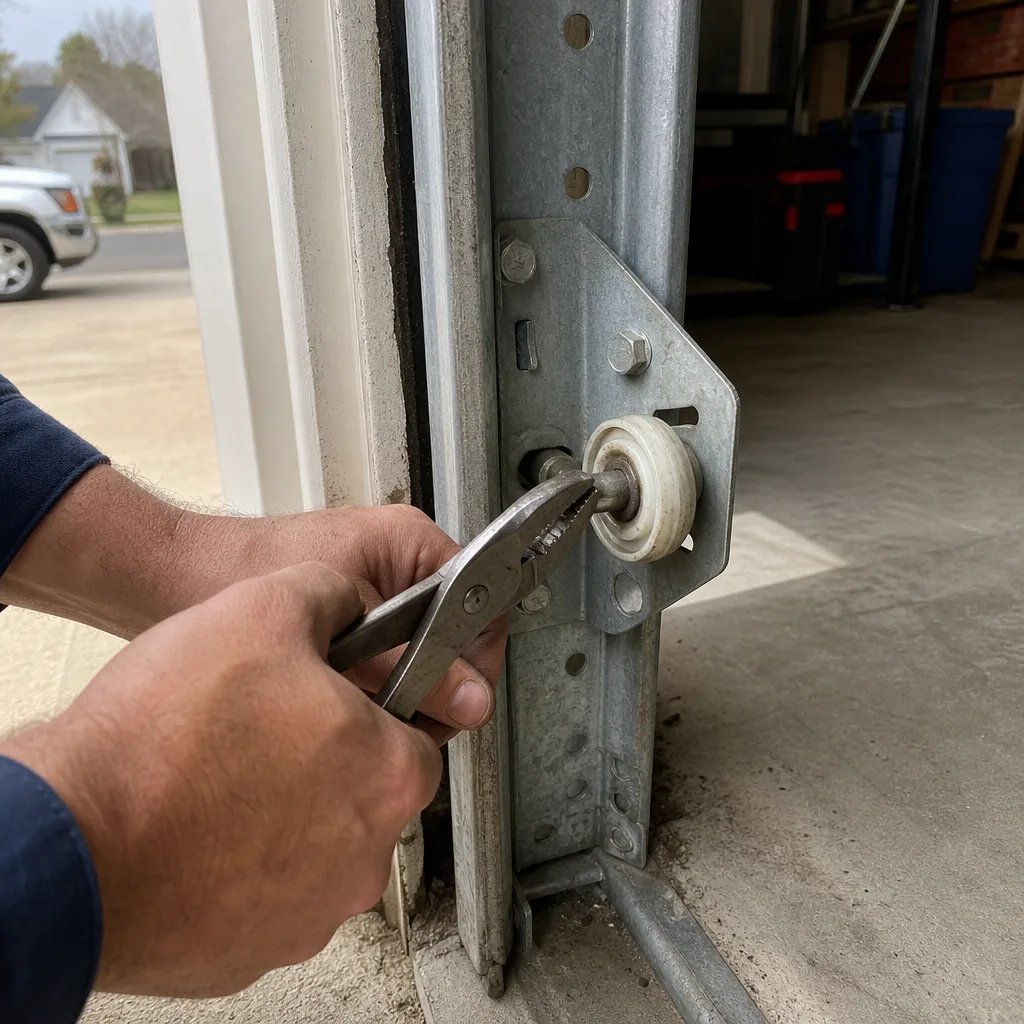
The tracks should be straight, level, and clean. A track that’s bent, shifted, or has debris inside is going to wear your rollers prematurely. Rollers should sit inside the track with a small amount of play and roll smoothly. A roller that’s seized, cracked, or visibly worn tells you the door is due for a hardware look.
Cable and Bracket Signs
Cables should be taut and routed cleanly. Fraying, sagging, or slack in a cable is a Tier 2 or Tier 3 issue depending on severity. Cables are under extreme tension and should never be handled by a homeowner. If a cable is visibly compromised, stop using the door.
Weatherstripping and Seals
The rubber seal along the bottom of the door and the weatherstripping around the frame keep out drafts, moisture, and insects. A seal that’s cracked, torn, or leaving visible light gaps when the door is closed is a small repair, but one worth doing sooner rather than later because it also affects the door’s balance and how hard the opener has to work.
Loose Hinges and Brackets
A quick visual check of the hinge plates and brackets along the door interior catches loose hardware before it becomes a rattle or a misalignment. Loose hardware is usually a simple tightening job, but continuing to run the opener on it accelerates wear on everything else.
Common Mistakes to Avoid
- Testing a broken door again “just to be sure.” If the spring snapped, each cycle loads the opener and the remaining spring unevenly. The next sound you hear could be the second spring. Leave it closed.
- Assuming noise always means a repair. A lot of Lakewood calls start with noise that turns out to be cold-weather stiffness or a dry roller. Lubricate first, call second, unless the sound is a snap or a grind.
- Forcing a stuck door up by hand. If the springs are broken or the door is off track, lifting by hand risks dropping the door on you or failing a cable. Call for service.
- Pulling the manual release before checking the springs. If the opener is engaged and the springs are failed, disengaging drops the door. Confirm the springs are intact before pulling the cord.
- Ignoring a door that reverses on its own. A door that stops short is a garage that isn’t secured. It’s a small fix now and a bigger one once the sensors or the board fail entirely.
- Buying an opener based on price alone. The right opener matches the door’s weight and size, not the sticker. On a heavier door, a cheap opener will fail early, and that’s an avoidable cost.
- Skipping the photo step before calling. A phone photo of the spring and the opener saves ten minutes of back-and-forth on the phone and helps us route the right technician.
See the difference
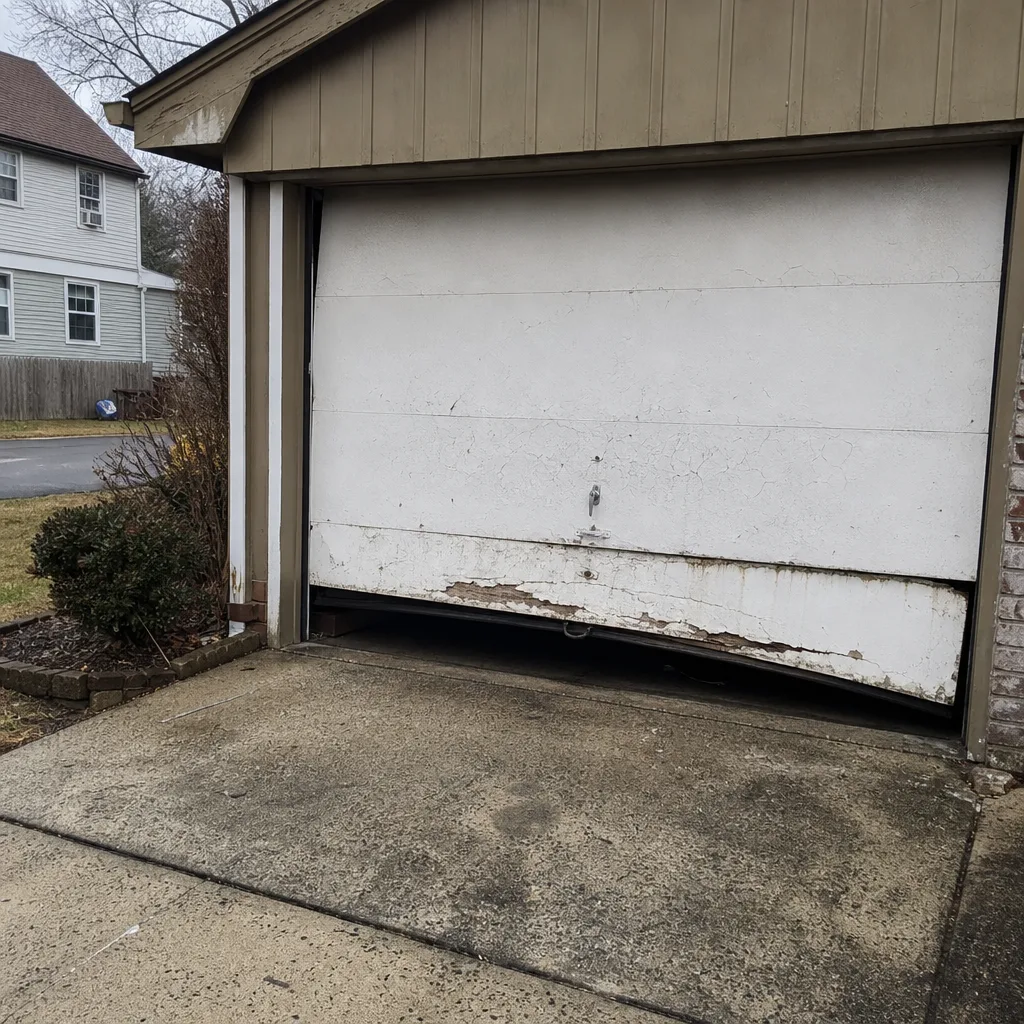 Before
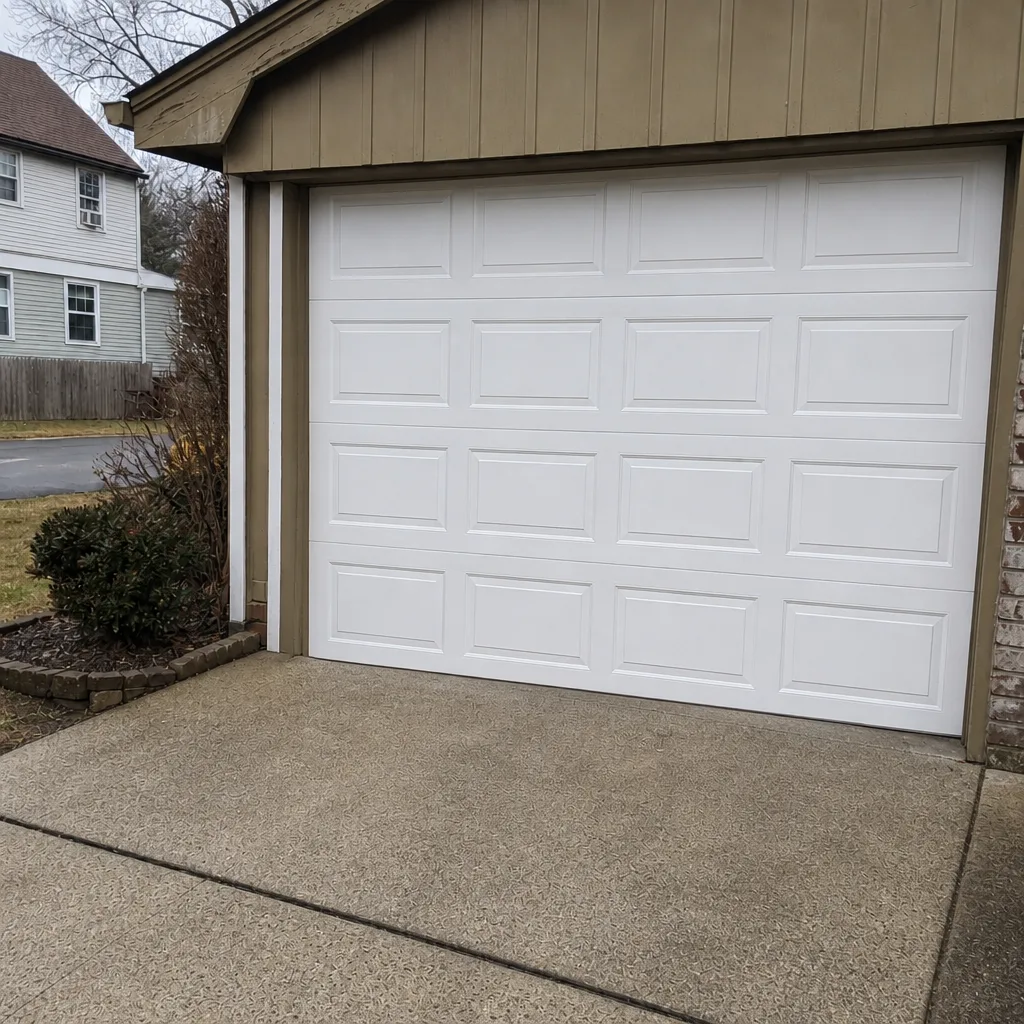 After
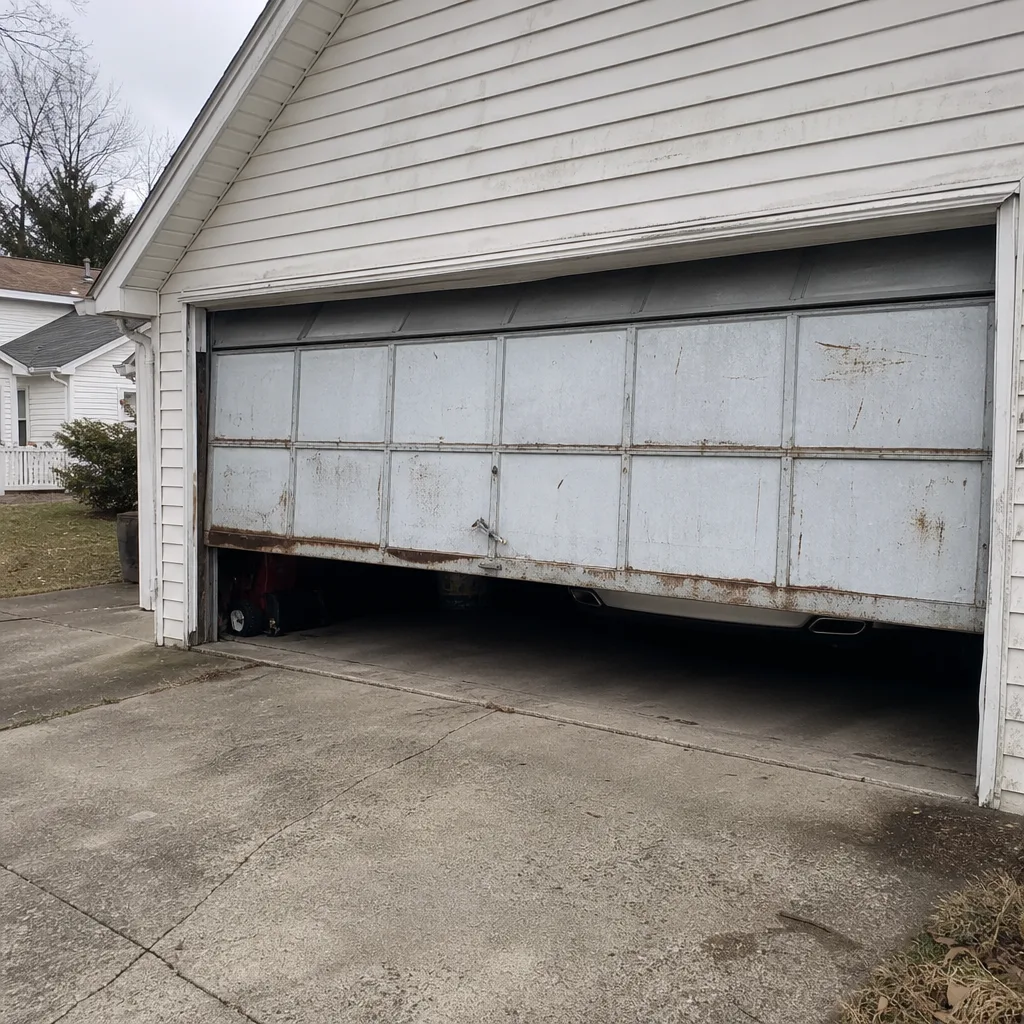 Before
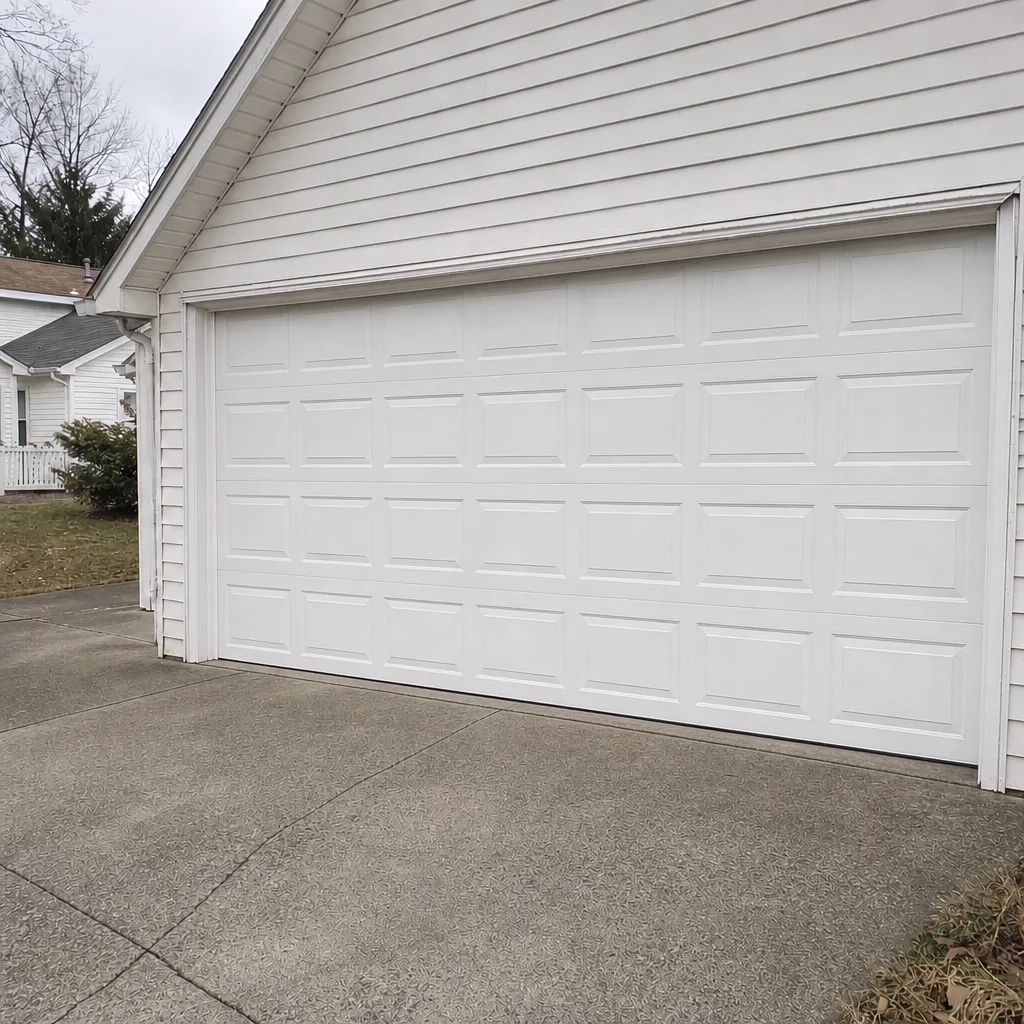 After
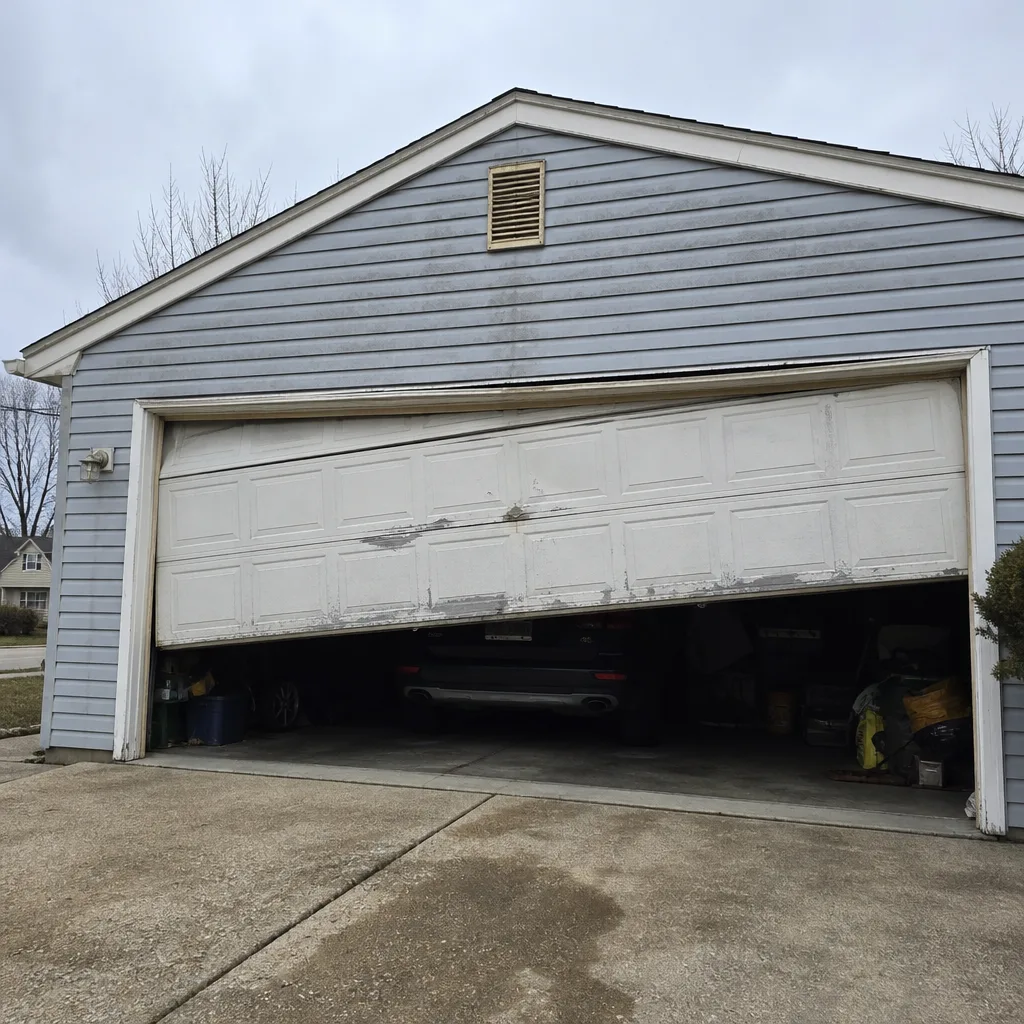 Before
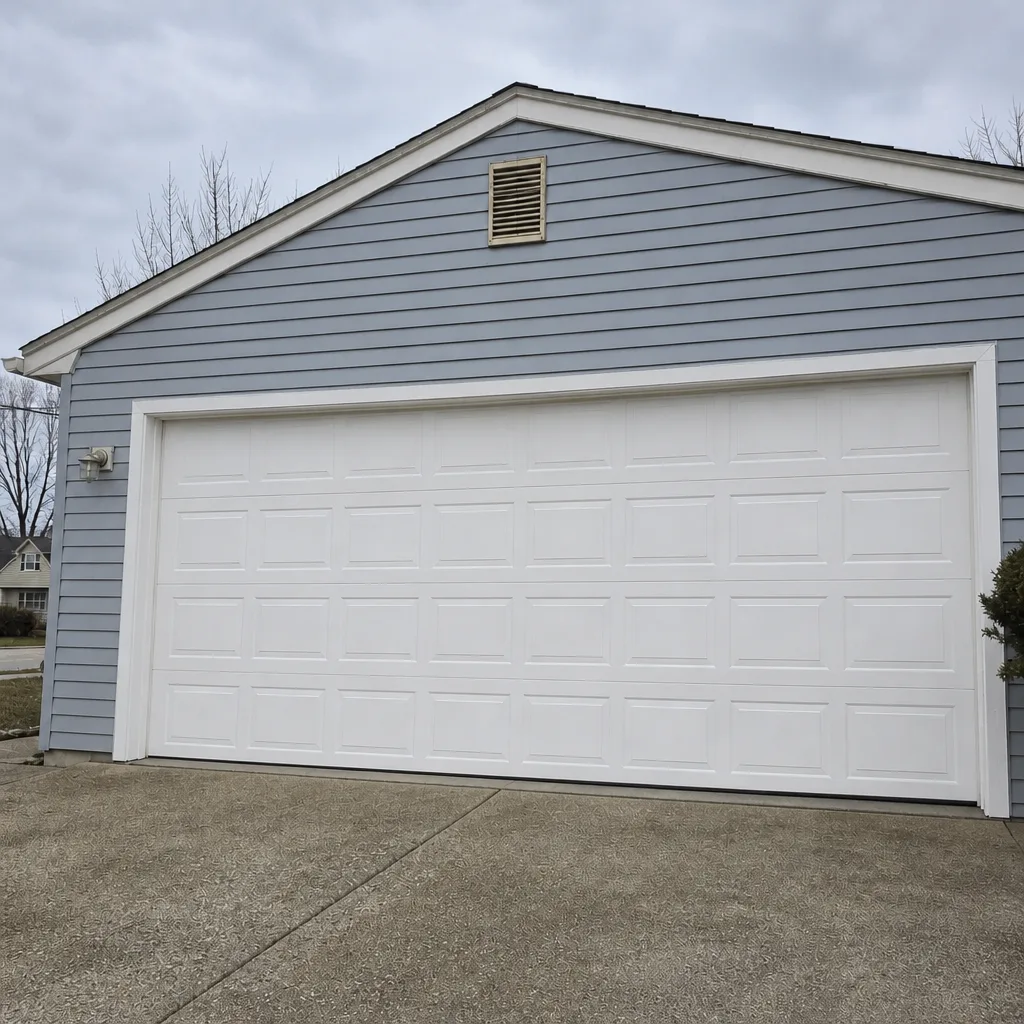 After
When to Call a Professional
Call a professional for anything involving torsion springs, cables, or a door that’s off track. Also call if the door free-falls when disengaged, if a spring shows a visible gap, if the opener runs without moving the door, or if you can’t tell whether a symptom is a minor watch-it or an urgent stop. Those are exactly the situations where a quick professional diagnosis saves money and prevents injury. We work on all the major brands, from a LiftMaster belt drive to a Clopay panel install, so a brand check doesn’t delay the visit. Marbury Garage Door Repair offers free estimates in Lakewood. Call (877) 239-9718. We answer 24/7, with fast dispatch from 7am to 7pm, Sunday through Friday.
Frequently Asked Questions
The most common warning signs we see are a door that reverses before closing, uneven travel, a new squeak or grind, and an opener that hesitates on the first lift. In colder months, some of these are temperature-related; in warmer months, they tend to be genuine wear. If in doubt, call (877) 239-9718 and we’ll help you sort out which category it’s in.
Yes. A visible gap in a torsion spring means the spring has failed, and the door is being held by the remaining spring or opener alone. Stop using the door, keep it closed if you can, and call for professional garage door spring repair. Don’t try to lift the door by hand or run the opener to test it.
Winter stiffness is usually about lubrication and metal contraction. Cold temperatures thicken the lubricant on rollers and hinges, and the metal components shrink slightly, which can make a door sound different until it’s run a few cycles. If the sound is mild and goes away as the door moves, that’s typically normal.
Some signs, yes. Replacing a remote battery, lubricating rollers and hinges, or tightening a visibly loose screw are all reasonable DIY items. Anything involving torsion springs, cables, track alignment, or opener internals should go to a trained technician. Torsion springs store dangerous energy even when they look intact, so a visual check from ten feet away is the safe limit for a homeowner.
For a door that’s stuck open, stuck closed, or showing a Tier 3 sign, we can typically schedule same-day service. Call (877) 239-9718. We answer 24/7, with fast dispatch from 7am to 7pm, Sunday through Friday. A call outside dispatch hours is booked into the next opening, Sunday through Friday, 7am to 7pm.
Usually not. Sensor misalignment is the most common reason a door reverses, and it’s also the least expensive fix. Circuit board failure and trolley wear produce different symptoms, so the pattern matters. Snapping a few photos before your call helps skip the guesswork.
The Bottom Line
Most garage door warning signs fall into one of three buckets, and knowing which bucket yours belongs to prevents both panic and neglect. Squeaks and dry rollers are usually a lubrication fix. Uneven travel, self-reversing, and opener hesitations are schedule-it problems. Broken springs, snapped cables, and a door that free-falls when disengaged are stop-using-the-door problems. Lakewood’s seasonal swings make some symptoms louder than they are, and the calendar is a useful clue when you’re deciding whether to worry. When in doubt, photograph what you see and call for a diagnosis. If you want the work done right by a team that works on your brand, call (877) 239-9718 for a free estimate. We answer 24/7, with fast dispatch from 7am to 7pm, Sunday through Friday.
Written by the team at Marbury Garage Door Repair.