
Last updated November 21, 2026
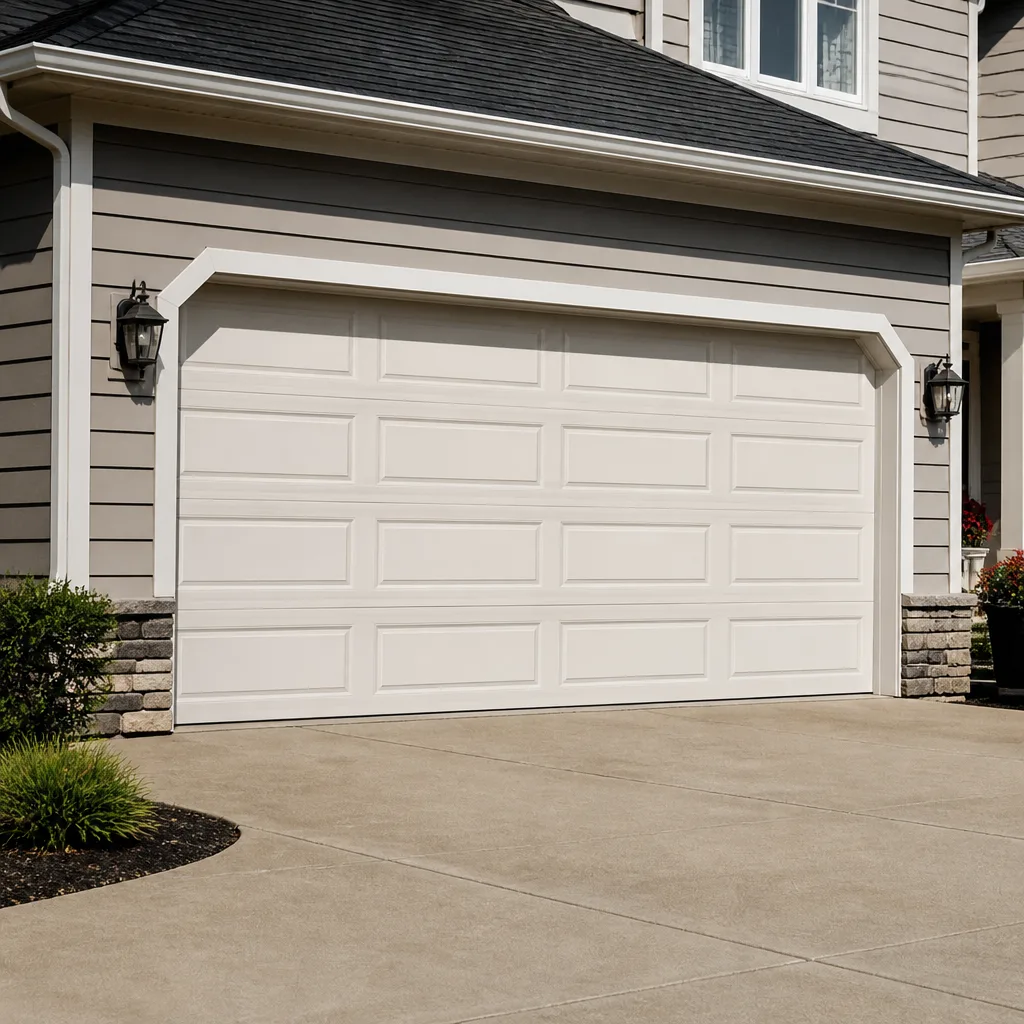 Raised-panel steel
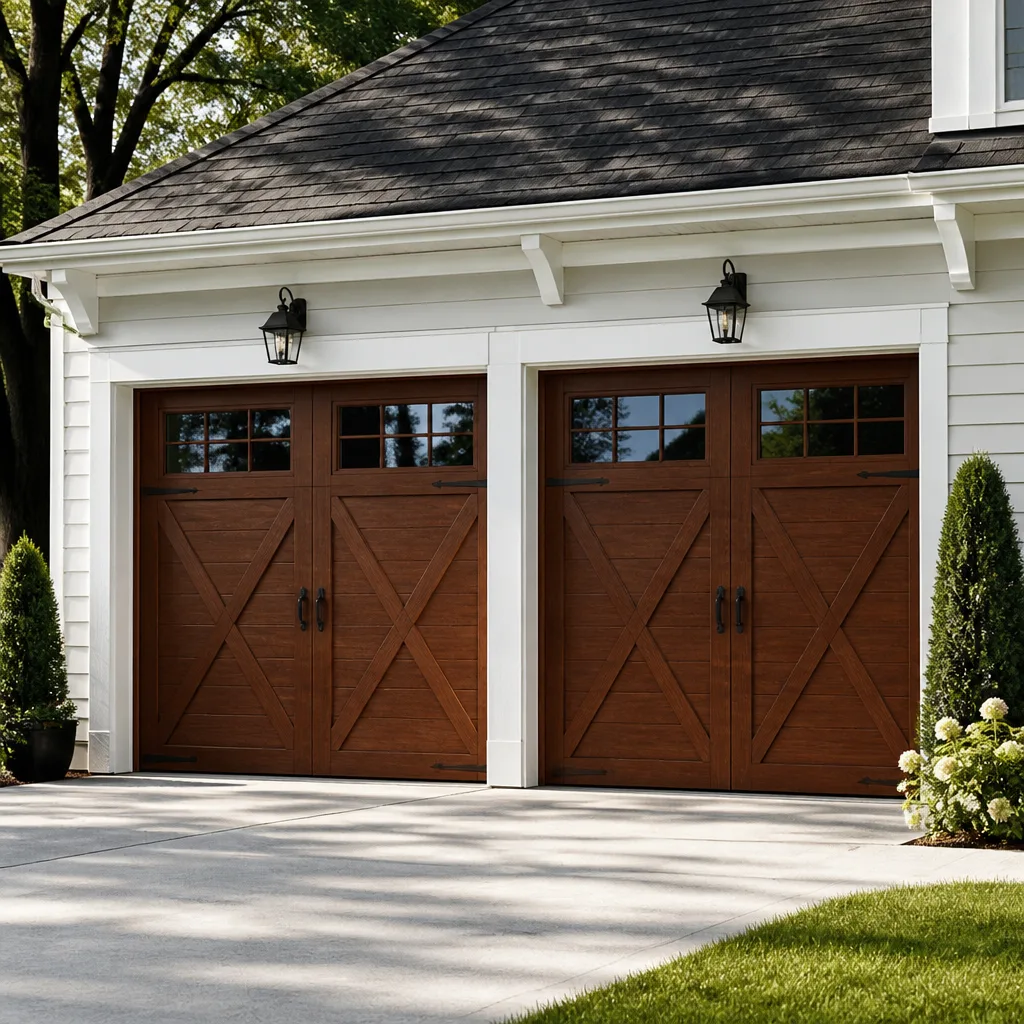 Carriage house
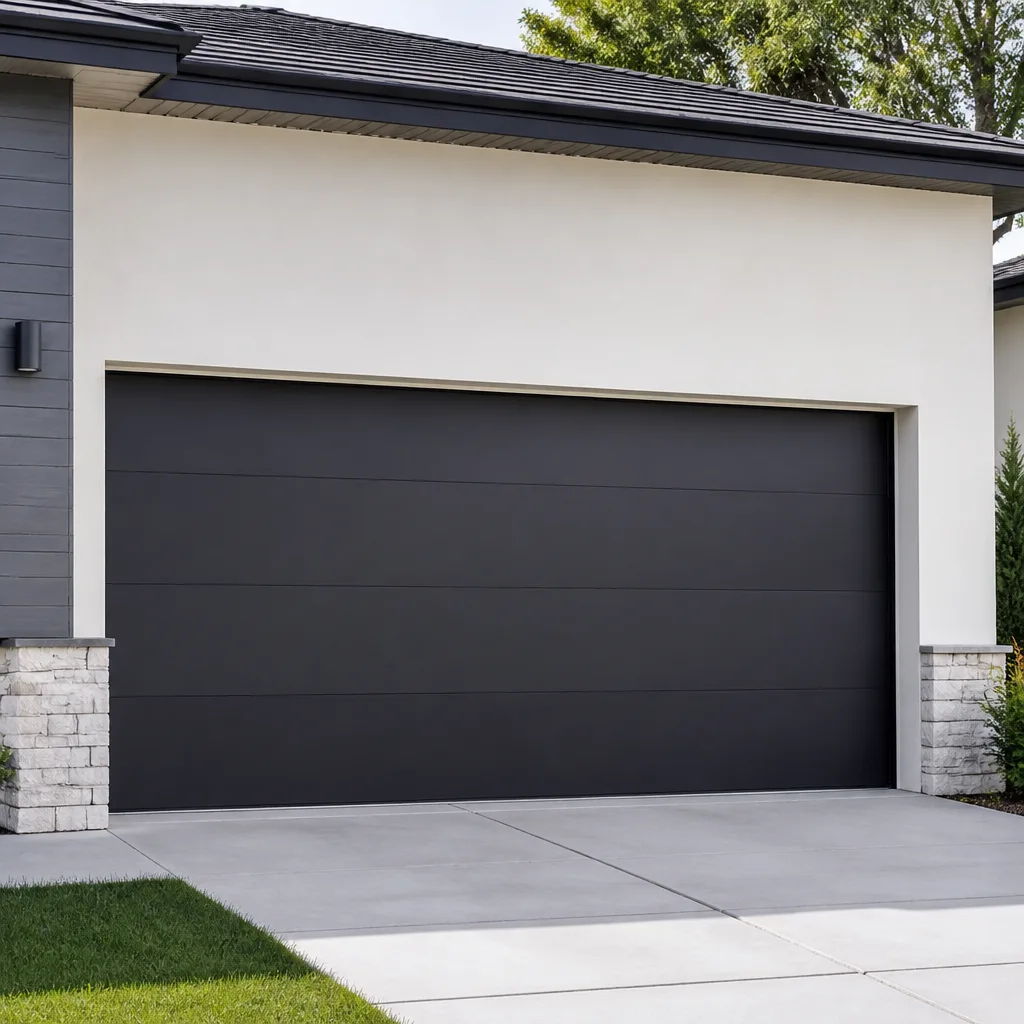 Modern flush
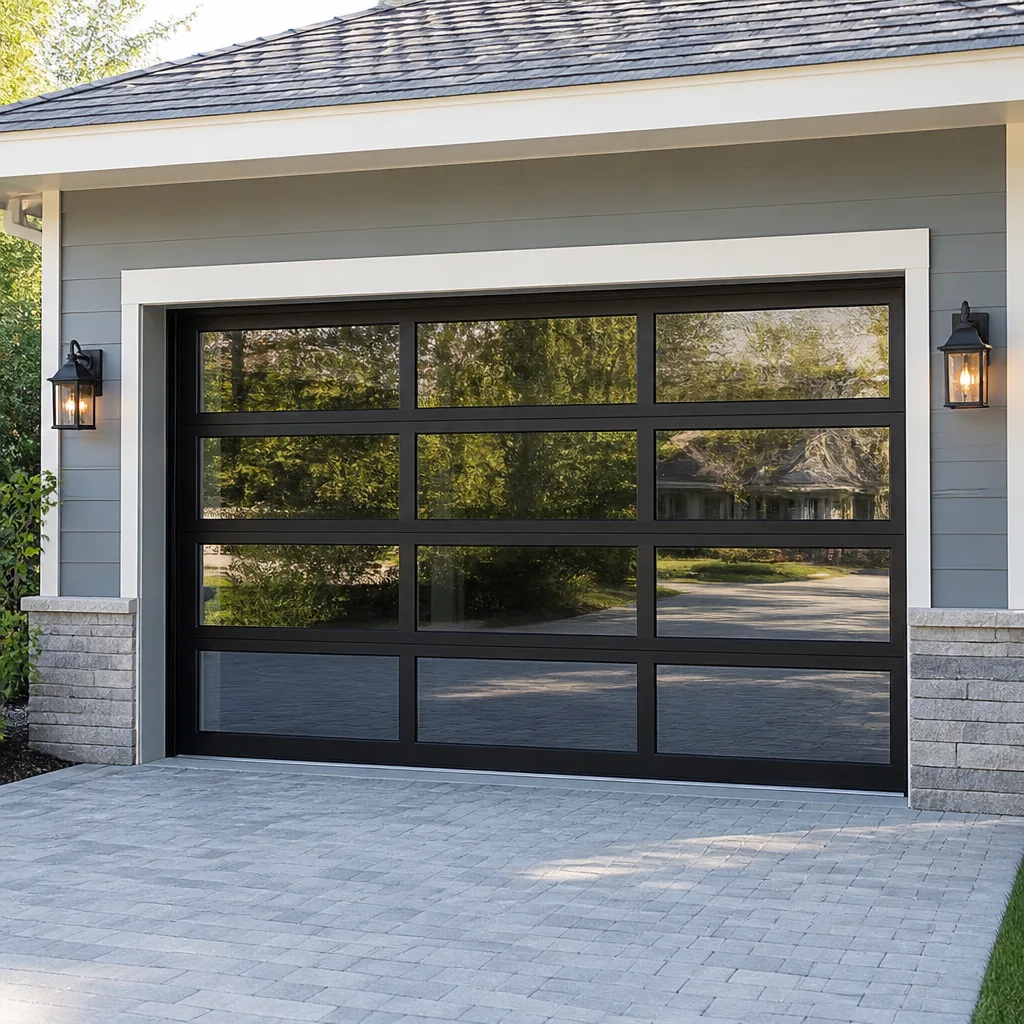 Full-view glass
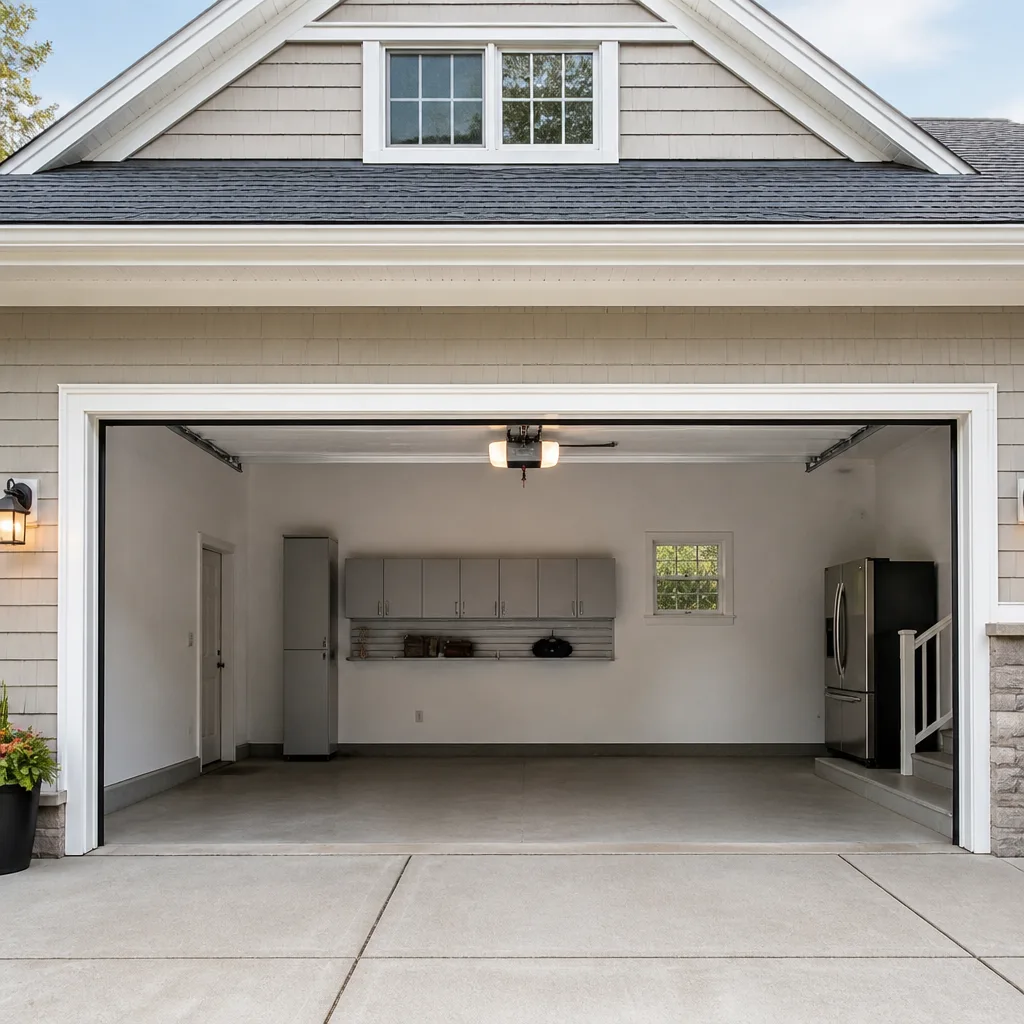 LiftMaster openers
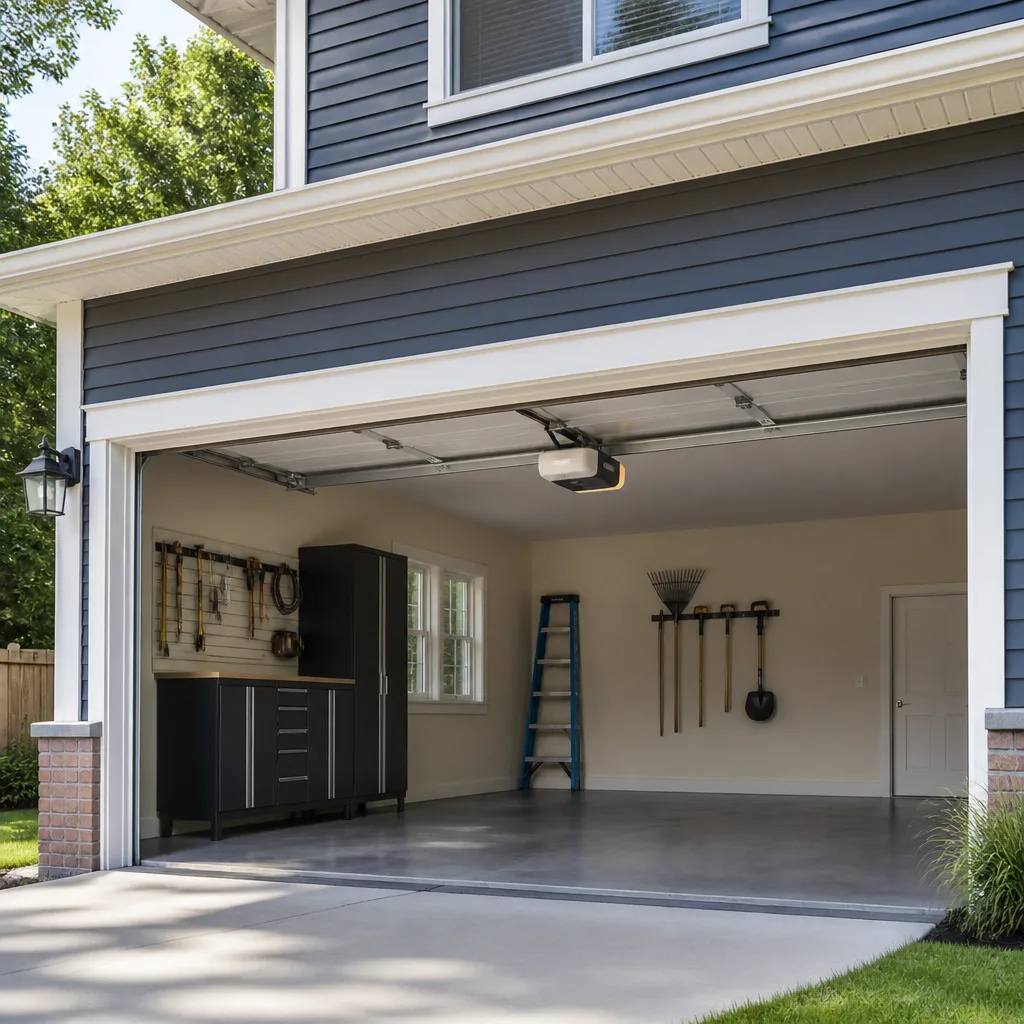 Chamberlain openers
Full 25-point door and opener safety check with every visit - springs, cables, rollers, tracks, and your LiftMaster or Chamberlain opener included
You get a price before we start. It does not change when the pro arrives.
Get your free estimateThe Complete Guide to Garage Doors in Lakewood
Most garage door guides are written for a hypothetical homeowner in a hypothetical climate. Lakewood isn’t hypothetical. It sits about 10 miles from the Atlantic, runs through hard freeze cycles every winter, and packs a lot of driveways into a small footprint. That combination changes what you should buy, how often you should check your hardware, and which brands actually hold up here. Salt carried on the air from the Jersey Shore corridor doesn’t stay at the beach; it works its way into springs, hinges, and track bolts across town. In this guide we’ll walk through how Lakewood’s climate and housing stock affect door choice, what to inspect and when, how to read an estimate, and what to expect from the brands you’ll see in local driveways.
Quick Answer
A garage door in Lakewood should be a galvanized or powder-coated steel door with a rust-resistant hardware package, sized and weighted correctly for the opening, paired with a reliable opener from a brand the local trade actually services. Insulated doors make sense for attached garages used as living-adjacent space. The bigger factor is maintenance: in Lakewood’s freeze-thaw and salt-air conditions, hardware inspection every year prevents more failures than any single product upgrade.
Styles & brands we work with
- Raised-panel steel
- Carriage house
- Modern flush
- Full-view glass
- LiftMaster openers
- Chamberlain openers
Table of Contents
- How Lakewood’s Climate Affects Garage Doors
- Which Door Materials Hold Up in Lakewood
- Insulation and R-Value: Attached vs. Detached Garages
- The Eight Brands You’ll Actually See in Lakewood
- HOA Rules, Style, and Color in Lakewood
- A Yearly Maintenance Plan You Can Follow
- Repair or Replace: How to Decide
- What Garage Door Work Costs in Lakewood
How Lakewood’s Climate Affects Garage Doors
Lakewood sits in a climate zone with real seasonal swing: warm, humid summers and cold winters with repeated freeze-thaw cycles. That matters more than most homeowners realize because a garage door is a moving assembly of metal parts exposed to the same weather as the house. Every freeze-thaw cycle expands and contracts metal slightly. Over many cycles, that movement works screws loose, opens gaps at panel seams, and stresses torsion springs that were already carrying the door’s full weight.
The other local factor is salt carried on coastal air. Even at 10 miles inland, salt particles settle on metal surfaces and accelerate corrosion. Springs, hinges, bottom brackets, and track bolts are the first places it shows. You may not see it as rust at first; you’ll notice a gritty feel on the hinges, a spring with surface pitting, or rollers that drag instead of rolling smoothly.
What that means for a Lakewood homeowner:
- Expect hardware wear faster than a guide written for a dry, inland climate would suggest.
- Springs on older doors may fail sooner than their nominal service life because of corrosion-assisted fatigue.
- Wood-composite doors absorb freeze-thaw moisture at seams and joints if the finish is compromised.
- Steel doors hold up best when the factory finish is intact; a compromised finish is where corrosion starts.
- Regular lubrication with a door-rated product slows the wear and quiets operation.
None of these facts are dramatic on their own. Together, they explain why a maintenance check on a Lakewood garage door is worth more than on a door in a milder, drier place. If you’re already noticing noise, sagging, or a door that won’t close fully, our garage door repair page covers what gets inspected first.
Which Door Materials Hold Up in Lakewood
The three material families you’ll see on Lakewood driveways are steel, wood composite, and aluminum. Each behaves differently through the local seasons, and each has a different maintenance profile.
Steel
Galvanized or powder-coated steel is the most common choice for good reason: it’s strong, it’s stable through temperature swings, and when the finish is intact it resists the salt-bearing air better than most alternatives. The key is the finish. A factory powder coat lasts years; a field-applied paint job doesn’t. Look for a door with a factory finish and ask how the bottom edge and end stiles are sealed, since those are the spots that take on water first.
Wood composite
Wood composite doors offer a look that steel can’t match, and some Lakewood homeowners choose them for the appearance. The catch is water. At seams, joints, and the bottom rail, moisture gets in during the wet months, freezes, and expands. Over repeated winters a poorly sealed composite door warps or delaminates. If you choose wood composite, plan on inspecting and touching up the finish every year or two.
Aluminum
Aluminum is light, doesn’t rust the way steel does, and holds a finish well. It also dents more easily and is usually the wrong choice for high-wind exposure. Full-view aluminum doors with glass panels are popular on modern homes but need regular cleaning and attention to the glass seals. For a Lakewood home with children, bicycles, or regular driveway activity, aluminum is a reasonable choice as long as you know the tradeoff.
Freeze-thaw and salt: which doors last
- Best long-term: factory-finished steel with sealed bottom edge and galvanized hardware.
- Good with upkeep: wood composite with an annual finish inspection.
- Good for design: aluminum full-view, with realistic expectations about dent resistance.
- Higher maintenance: any door with exposed field-painted or field-stained surfaces.
Insulation and R-Value: Attached vs. Detached Garages
Whether to pay for an insulated door depends almost entirely on whether the garage is attached to the house and how the space is used. This is one of the most misunderstood parts of a door purchase, and it’s worth slowing down.
Attached garages
An attached garage shares at least one wall with the living space. In a Lakewood home, that shared wall loses heat into the garage all winter and gains heat back in the summer. An insulated door reduces that transfer and keeps the garage from being a cold-air reservoir next to the house. If the garage also holds a workshop, laundry, or a room above it, insulation is a straightforward yes.
Detached garages
A detached garage has no shared wall. The thermal case for an insulated door is weaker, but not absent: insulation keeps the space usable for longer stretches of the year and reduces condensation on tools and equipment. If the garage is used mainly for parking and storage, a non-insulated steel door does the job, and you can add an insulated door later if priorities change.
What to look for on the spec sheet:
- R-value stated for the door as a whole, not just the panel core.
- Insulated door frames and a thermal break at the bottom, where cold air seeps in.
- Sealed bottom astragal, which does more for comfort than the core alone.
- Consistency across price tiers: a thicker core only helps if the edges are sealed.
If you’re replacing a door and unsure which way to go, our full Marbury Garage Door Repair overview is a good starting point before you call.
The Eight Brands You’ll Actually See in Lakewood
Garage doors and openers are a fragmented market. A homeowner doesn’t need to know every brand, but knowing which brands are installed locally helps you ask the right questions. In our experience across Lakewood driveways, eight names come up over and over. We’re brand-agnostic on purpose; our job is to work on yours, not to steer you to one product line.
Here’s a quick orientation:
- LiftMaster – openers with strong accessory support and a wide range of compatible smart features.
- Chamberlain – consumer-focused openers and smart-home integrations, widely adopted and easy to service.
- Genie – openers with sturdy hardware and a reputation for smooth, quiet operation on lighter doors.
- Clopay – steel door manufacturer with a broad catalog across most price points.
- Amarr – steel doors built with attention to finish quality and weather-ready options.
- Wayne Dalton – doors with distinctive panel designs and a wide model range.
- Craftsman – openers commonly installed by homeowners and widely serviced.
- Raynor – doors with a focus on durability in varying climates.
What each does well matters less than whether the local trade can diagnose it. Craftsman and Raynor hardware, LiftMaster and Genie openers, and Clopay and Amarr panels all have distinct parts diagrams and calibration steps. A technician who works across all eight moves faster on the first visit. That matters if your door is stuck and you need same-day help. Our technicians have up to 12 years of experience, and working across this brand spread is a core part of how we operate.
Repair and service across brands
Our garage door opener repair page covers the electronic side in detail: openers, remotes, wall controls, and smart-home compatibility. The mechanical side, including springs, hinges, tracks, and rollers, is where brand knowledge matters most for identifying the right replacement parts.
HOA Rules, Style, and Color in Lakewood
Lakewood has a high density of planned communities and HOA-governed neighborhoods, which means a new garage door is a design choice and an approval process. Different associations have different rules, but the same categories come up repeatedly. Knowing what to expect keeps a door replacement from stalling halfway through.
What HOA rules usually cover
- Window placement and design on the door face.
- Color palettes approved for the neighborhood.
- Panel style, such as raised-panel, carriage-house, or flush.
- Material restrictions that affect match with adjacent homes.
- Visible hardware like decorative hinges and handles.
How variances usually get approved
Variances are more common than homeowners fear. The key is matching the existing neighborhood aesthetic while improving function. A homeowner who wants a warmer color, a different window pattern, or a material upgrade has a stronger case when the request is supported with a photo of the current door, a sketch of the proposed door, and a neighbor’s similar door if one exists. If the local association has a review committee, submit the request before you order the door, not after. A door that shows up on-site and matches nothing around it is much harder to get approved.
One Lakewood-specific wrinkle: because lots are often tight, doors on neighboring homes are more visible to each other than in a large-lot community. Neighborhood aesthetics matter more visibly, and a door that stands out has more impact. That’s not a reason to avoid an upgrade; it’s a reason to submit a clear, well-supported request.
A Yearly Maintenance Plan You Can Follow
You don’t need to be handy to keep a garage door in good shape in Lakewood. You do need to look at the right things once a year. The sequence below is what a working technician checks, and it’s the same list you can walk through on a Sunday afternoon.
Once a year: the visual inspection
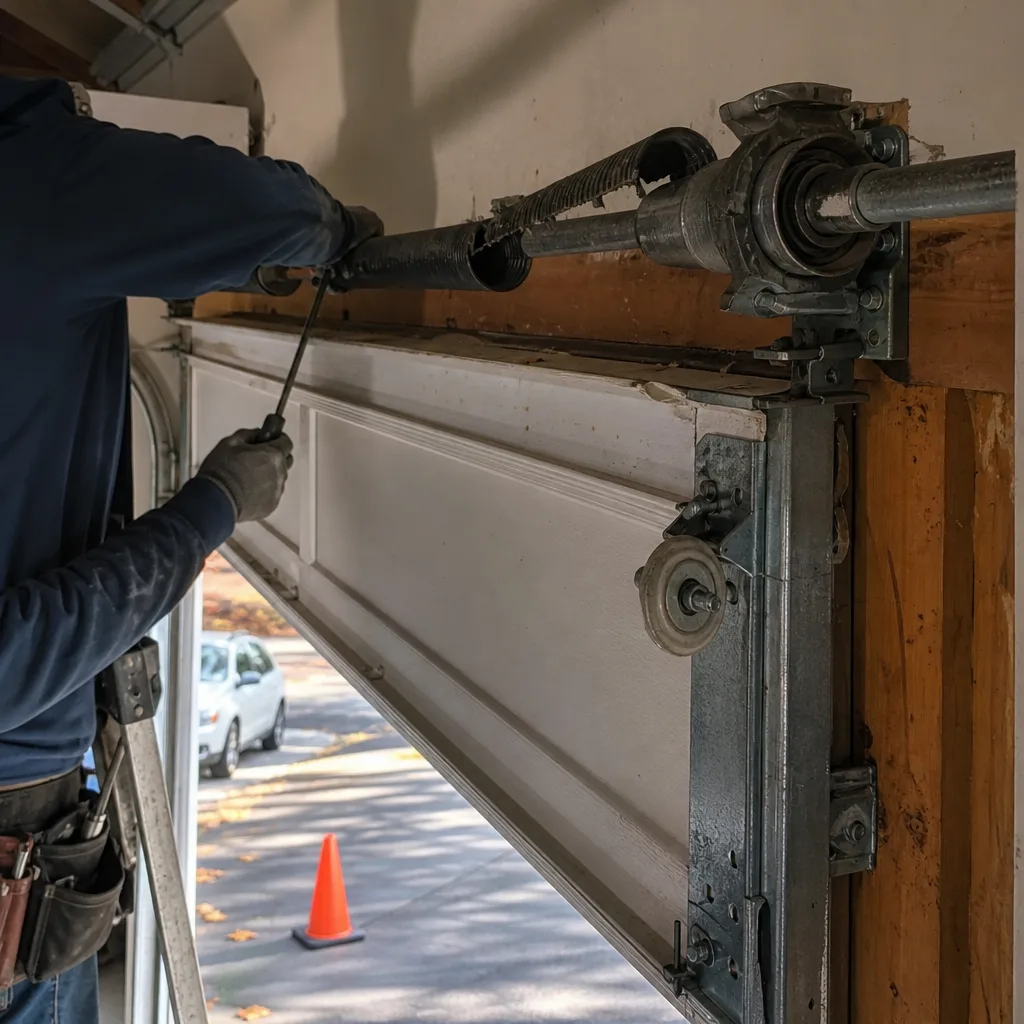
- Look at the springs. Check the torsion spring above the door for rust, pitting, gaps, or a stretched section. If you see any of those, stop and call a professional. Do not touch or adjust the spring.
- Check hinges and rollers. Look for surface rust, cracks, or a roller that doesn’t spin freely. In salt-air conditions, this is where wear shows first.
- Inspect the track. Glance down the full length of each vertical and horizontal track for bends, dents, or gap misalignment along the wall brackets.
- Test the balance. With the door disengaged from the opener, lift it to the halfway point and let go. A balanced door stays put. If it drops or floats, the springs are suspect.
- Test the safety reversal. Place a small object under the door and lower it. The door should reverse on contact. If it doesn’t, the opener needs adjustment.
- Lubricate. Apply a door-rated lubricant to hinges, rollers, and the torsion bar. Not WD-40 in the standard formula; a purpose-made garage door lubricant.
- Wash the door. A rinse of the door face and lower edge clears salt and road spray before it settles into the finish.
Every few years: the finish check
For wood composite doors, inspect the finish at seams and the bottom rail each fall. A touch-up coat before winter prevents the freeze-thaw cracking that ends a wood composite door early. For steel doors, check the bottom edge for rust and touch up chips. Small maintenance now saves a replacement later.
When to skip the inspection
If your door is hard to lift, won’t stay at the halfway point, or sounds like something is grinding rather than rolling, stop and call. Springs are under extreme tension. Adjusting them without training and the right tools can cause serious injury. Our garage door spring repair page explains how we handle them safely.
Repair or Replace: How to Decide
The decision between repairing and replacing a garage door usually comes down to three questions: how old is the door, how much of it is failing, and what does the door need to do for the homeowner going forward? Here’s the framework that works in Lakewood.
Repair is the right call when:
- The door structure is sound and the finish is intact.
- The failure is isolated to one component (a spring, a roller, an opener).
- The door is a style the homeowner likes and will keep.
- Only one section is dented or damaged and can be replaced.
Replacement makes more sense when:
- Two or more sections are failing and the repair cost is climbing.
- The finish is compromised across the door face, especially at the bottom edge.
- The homeowner wants an insulated door for an attached, conditioned-space garage.
- The current door is a style the HOA or neighborhood has since restricted.
- The homeowner plans to stay in the home and wants a door that lasts.
The middle ground is a sectional replacement where the panels are still good but specific components need upgrading. This is where brand familiarity matters. On a Clopay or Amarr door with failing hardware, a technician who knows the platform can source the right parts quickly. On an unfamiliar brand, the same job takes longer.
What Garage Door Work Costs in Lakewood
Pricing varies by the specific job, but Lakewood homeowners can plan around rough ranges. The written estimate always sets the final price, and the price is quoted and agreed before any work starts. Here’s an orientation to what different work typically involves:
- Single torsion spring replacement: usually a targeted job with a clear range. If both springs are matched and are replaced together, expect roughly twice the single-spring cost.
- Opener repair or replacement: varies by brand and model; the estimate reflects what the specific unit needs.
- Panel or section replacement: priced by section, plus fit and finish.
- Full door installation: depends on door style, insulation, brand, and whether tracks and hardware are reused.
Two things to hold onto when you get an estimate. First, the price is set per job, in writing, before any work begins. Second, repair and installation are different kinds of work: installation is measured, ordered, and scheduled, while repair is often handled the same day when the parts and situation allow.
Common Mistakes to Avoid
- Choosing a door material by looks alone. Wood composite looks great in a showroom and warps badly in a Lakewood winter if the finish isn’t maintained. Match the material to your maintenance habits, not just your taste.
- Skipping the yearly hardware inspection. In salt-air conditions, hardware fails faster than a generic guide suggests. A yearly fifteen-minute check catches almost every common problem before it becomes an emergency.
- Letting a spring “run its course.” A spring that’s visibly pitted or stretched is a spring that’s about to fail. Replacing it on your schedule is safer and easier than replacing it when it snaps with the car inside.
- Ordering a door before checking HOA rules. Submitting a variance after the door is on the truck is a bad spot to be in. Review the rules first and submit plans before the order.
- Assuming all openers are the same. LiftMaster, Chamberlain, Genie, and Craftsman openers are all common in Lakewood and all need different service steps. A technician who works across the board will diagnose yours faster.
- Buying an insulated door for a detached garage and expecting instant results. Insulation on a detached garage mainly helps condensation and usability; the comfort gain is small compared to an attached garage.
- Trying to adjust a torsion spring yourself. Springs are under extreme tension. When one fails or needs adjusting, call a trained technician.
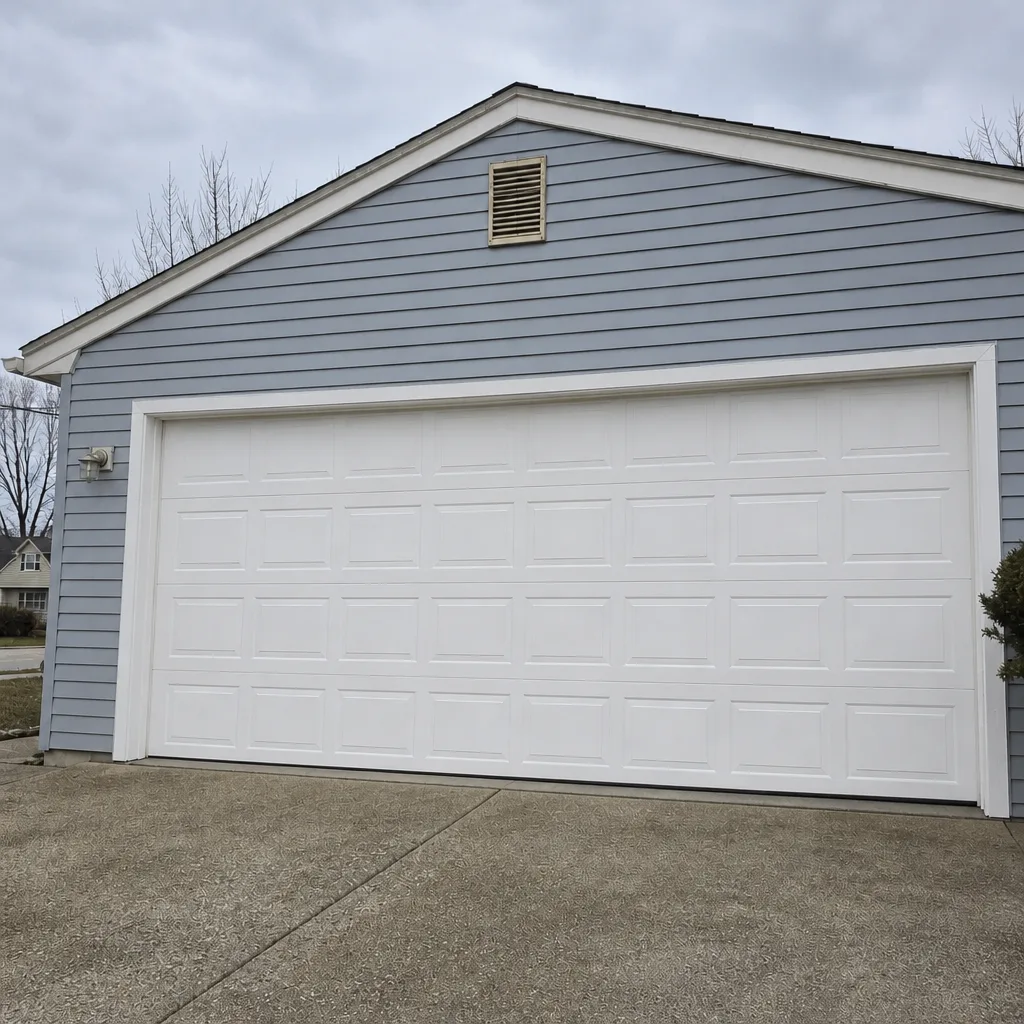
See the difference
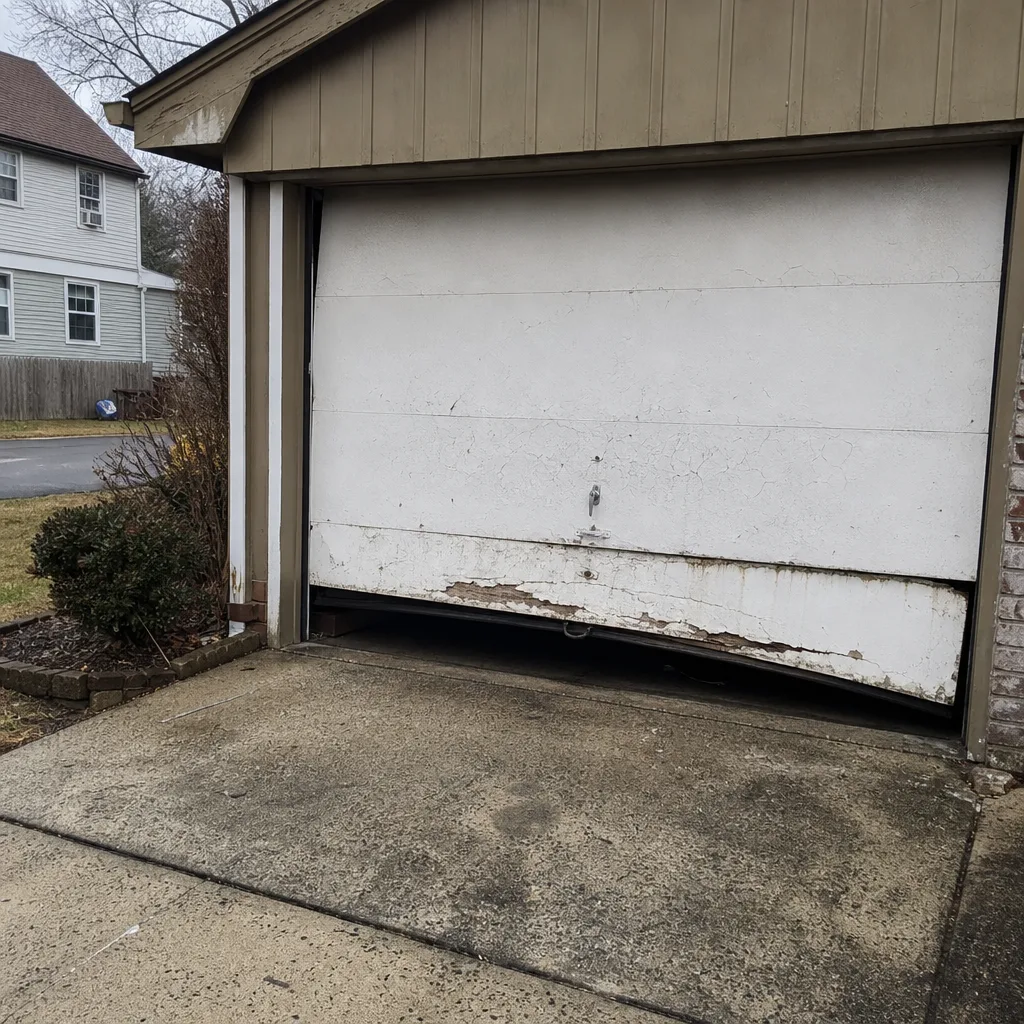 Before
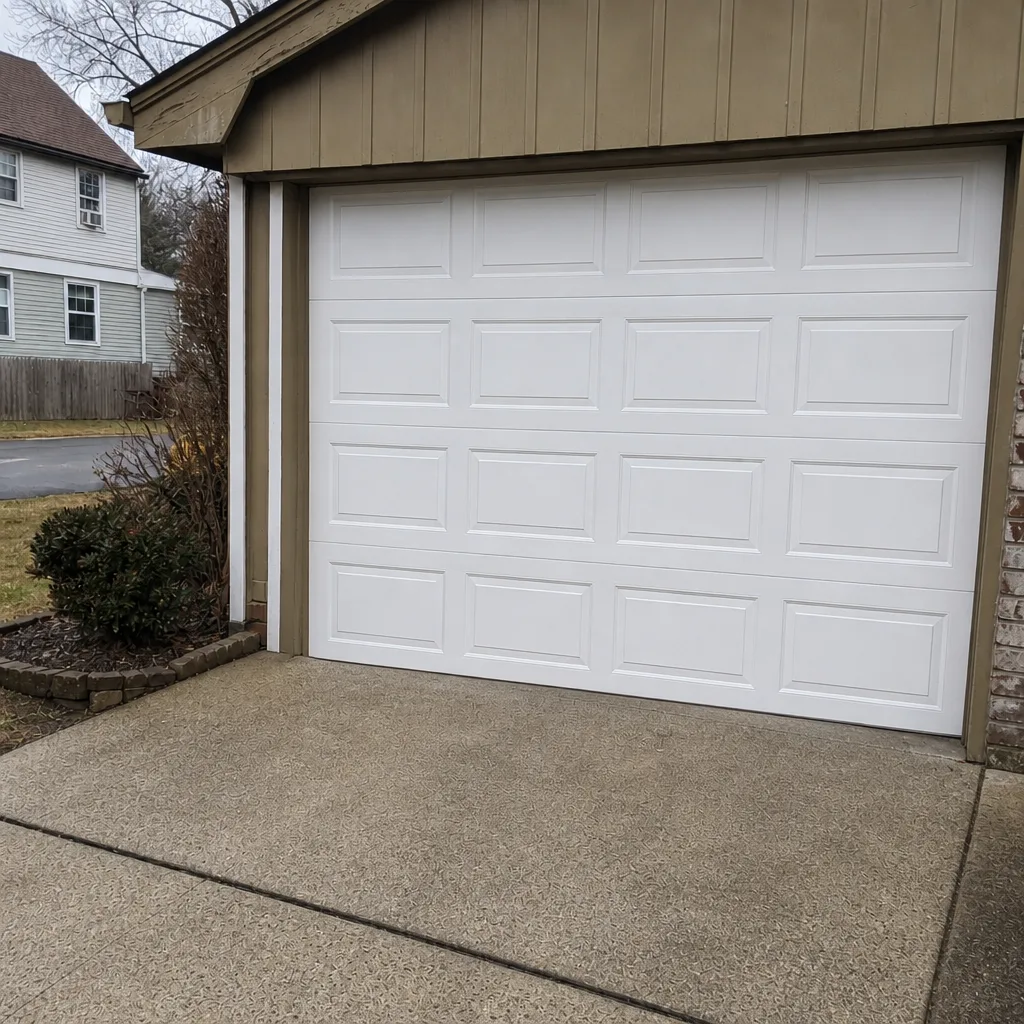 After
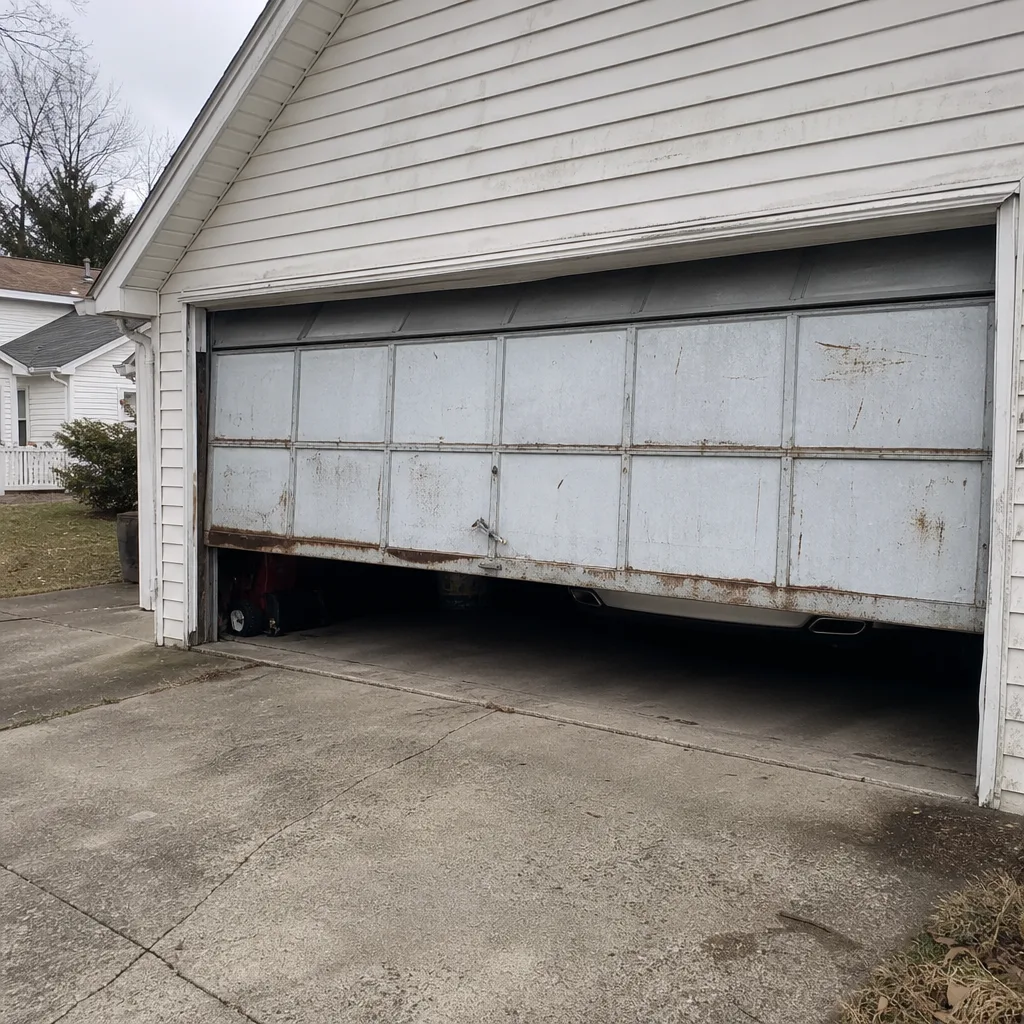 Before
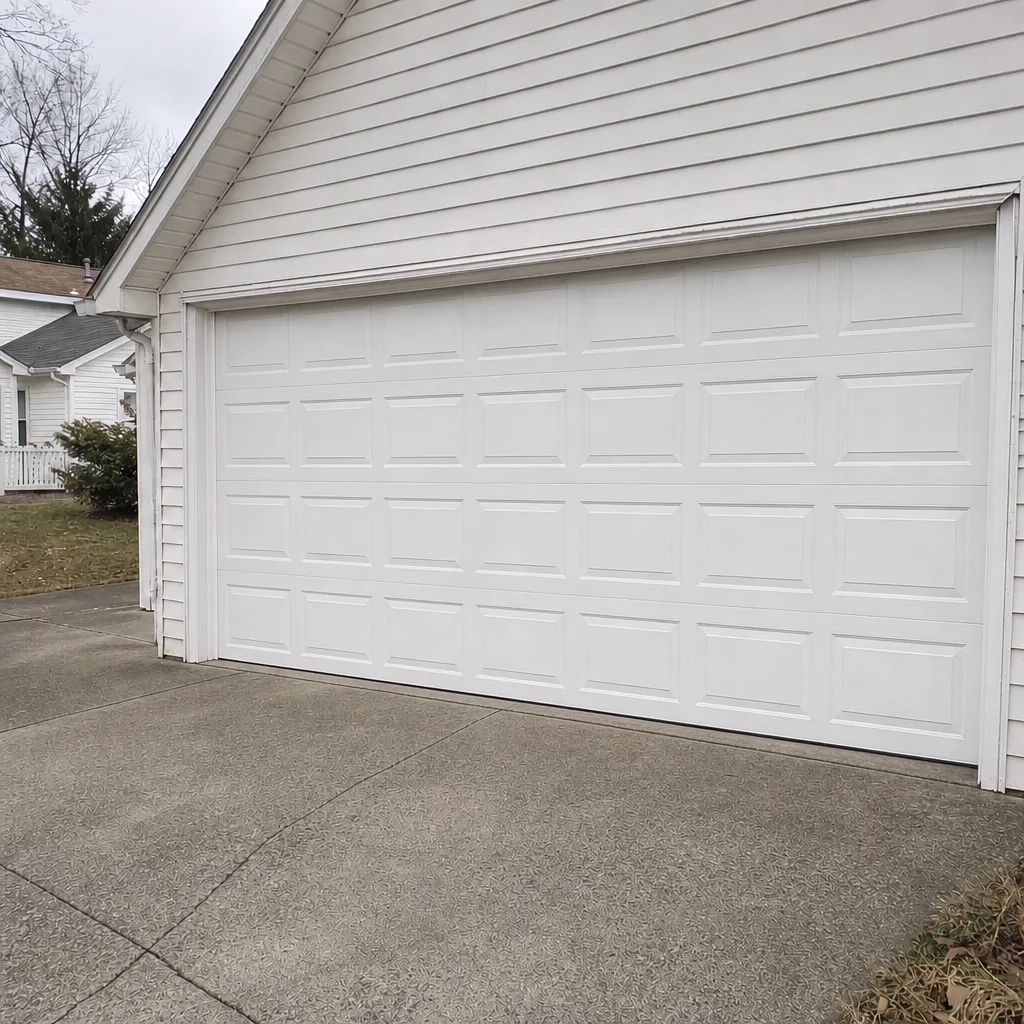 After
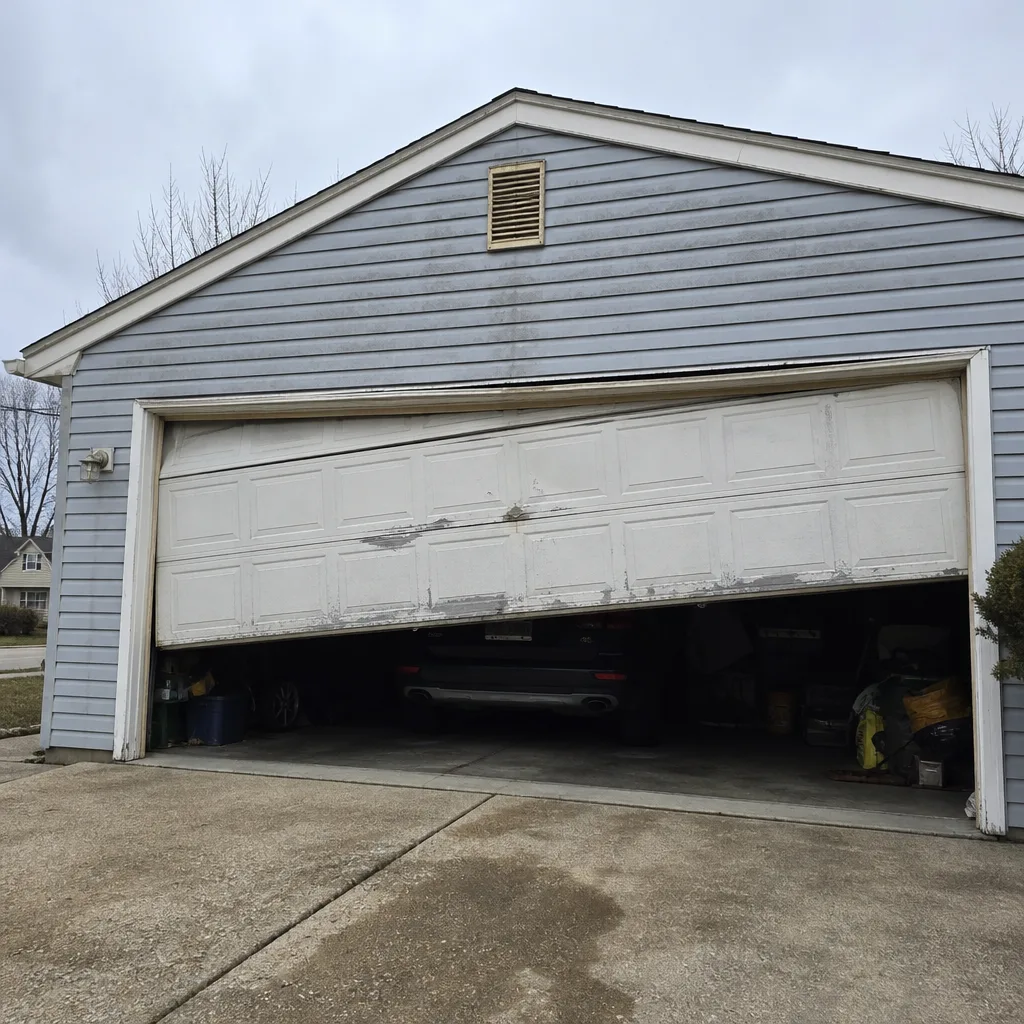 Before
 After
When to Call a Professional
Some jobs are safe to handle yourself. Garage door maintenance, lubrication, and finish touch-ups don’t require special tools or training. But the following scenarios are a call to a professional, not a weekend project:
Call us if a spring has snapped or looks visibly stretched, if the door is stuck open or stuck closed, if the opener hums but the door doesn’t move, if the door reverses on its own without an obstruction, or if the track is bent or the door is off its rollers. These conditions can turn dangerous quickly, especially with a heavy door suspended over a vehicle. We handle garage door opener repair and spring work as core services, not as add-ons. Marbury Garage Door Repair offers free estimates in Lakewood. Call (877) 239-9718. We answer 24/7. Fast dispatch from 7am to 7pm, Sunday through Friday.
Frequently Asked Questions
Lakewood spring repair is priced per spring, and a matched pair is usually about twice the cost of a single spring. The range you’ll see depends on whether one or both springs are being replaced and what type of spring your door uses. Call (877) 239-9718 for an exact quote; estimates are free.
You need an insulated door if your garage is attached to the house and you care about keeping the space comfortable or protecting the living space behind it from cold-air infiltration. For a detached garage, insulation mainly helps with condensation and year-round usability. It’s a judgment call, not a requirement.
We work on all major brands, including LiftMaster, Chamberlain, Genie, and Craftsman openers commonly installed across Lakewood. Our technicians have up to 12 years of experience across these platforms, which means faster diagnosis and correct parts on the first visit. Call (877) 239-9718 to describe what’s going on with your opener.
Same-day service is often available for repair work in Lakewood. Call (877) 239-9718. We answer 24/7. Fast dispatch from 7am to 7pm, Sunday through Friday.
The local professional we connect you with is licensed and insured as the state requires. Our job is to match you with a technician who can handle your specific door brand and situation. Call (877) 239-9718 for an exact quote before any work begins.
The written estimate sets the price, and we quote it before any work starts. If the condition of the door turns out to be different from what was described, we tell you what changed and give you the new price before continuing. Call (877) 239-9718 to schedule.
The Bottom Line
Garage doors in Lakewood face a more demanding environment than most national guides describe: salt air, real freeze-thaw cycles, and dense neighborhoods where a new door is both a purchase and a visible design choice. Factory-finished steel with galvanized hardware is the safest default. Wood composite works if you’ll maintain the finish. Insulation earns its keep on attached garages. Whichever brand you choose – LiftMaster, Chamberlain, Genie, Clopay, Amarr, Wayne Dalton, Craftsman, or Raynor – a yearly inspection of springs, hinges, rollers, and seals prevents more failures than any single upgrade. If something is already broken, or you want a professional read before you decide, call us.
Call (877) 239-9718 for a free estimate. We answer 24/7. Fast dispatch from 7am to 7pm, Sunday through Friday. Whether you need a single spring replaced or a full door installed, we’re happy to look at it and put the recommendation in writing.
Written by the team at Marbury Garage Door Repair.