
Last updated November 21, 2026
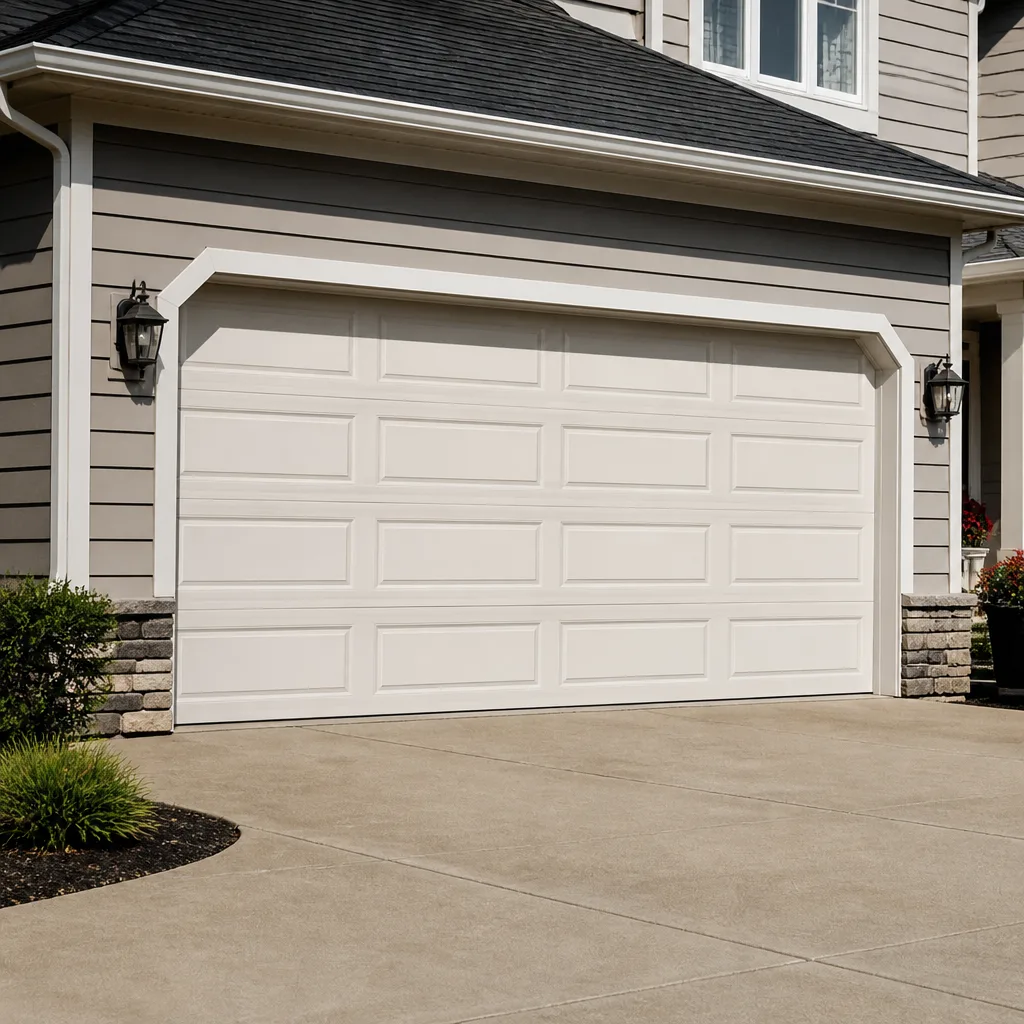 Raised-panel steel
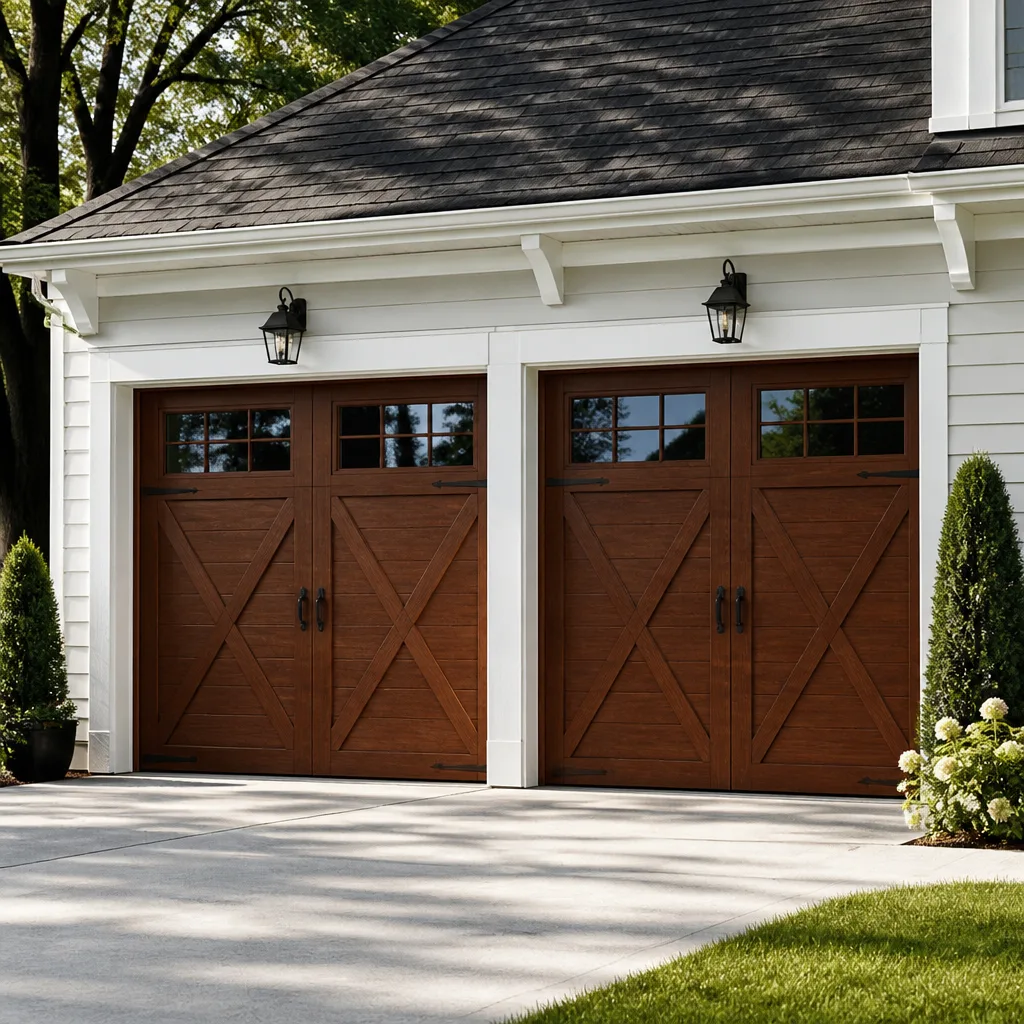 Carriage house
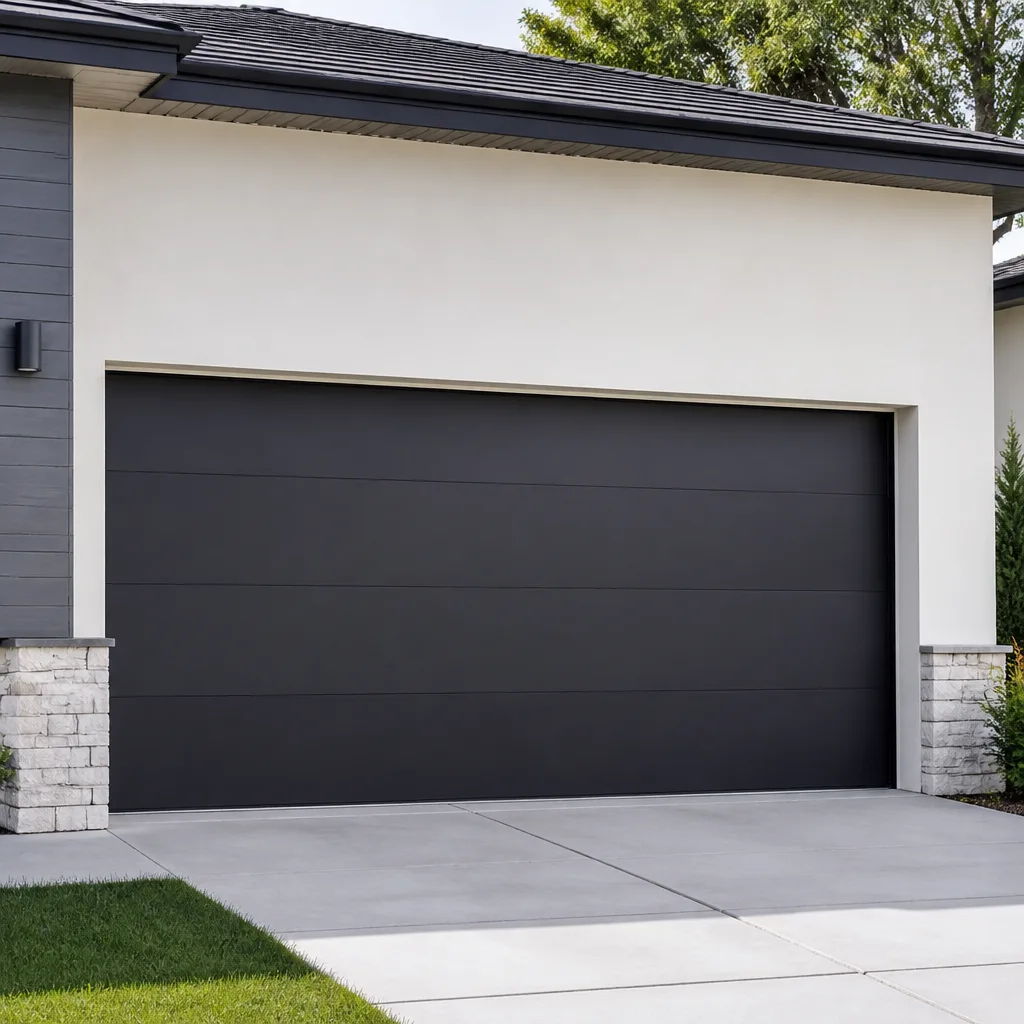 Modern flush
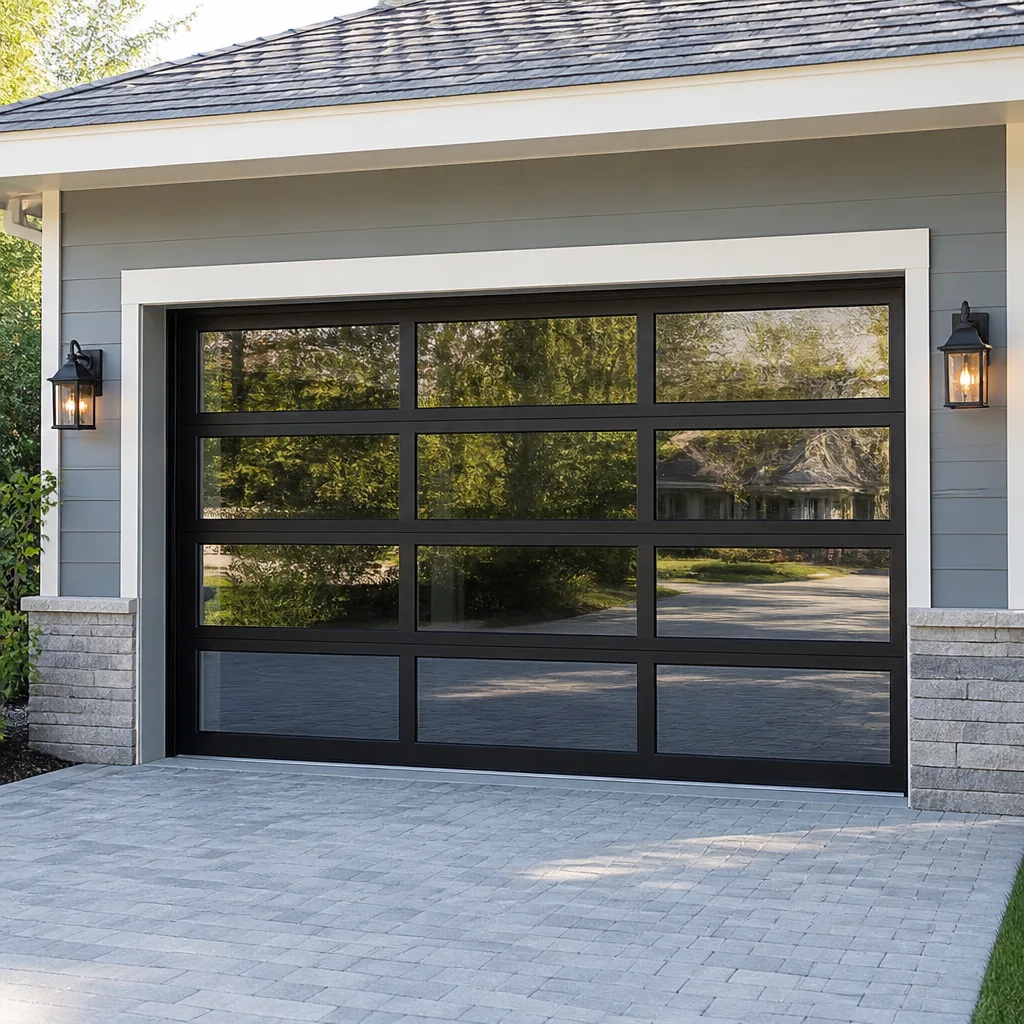 Full-view glass
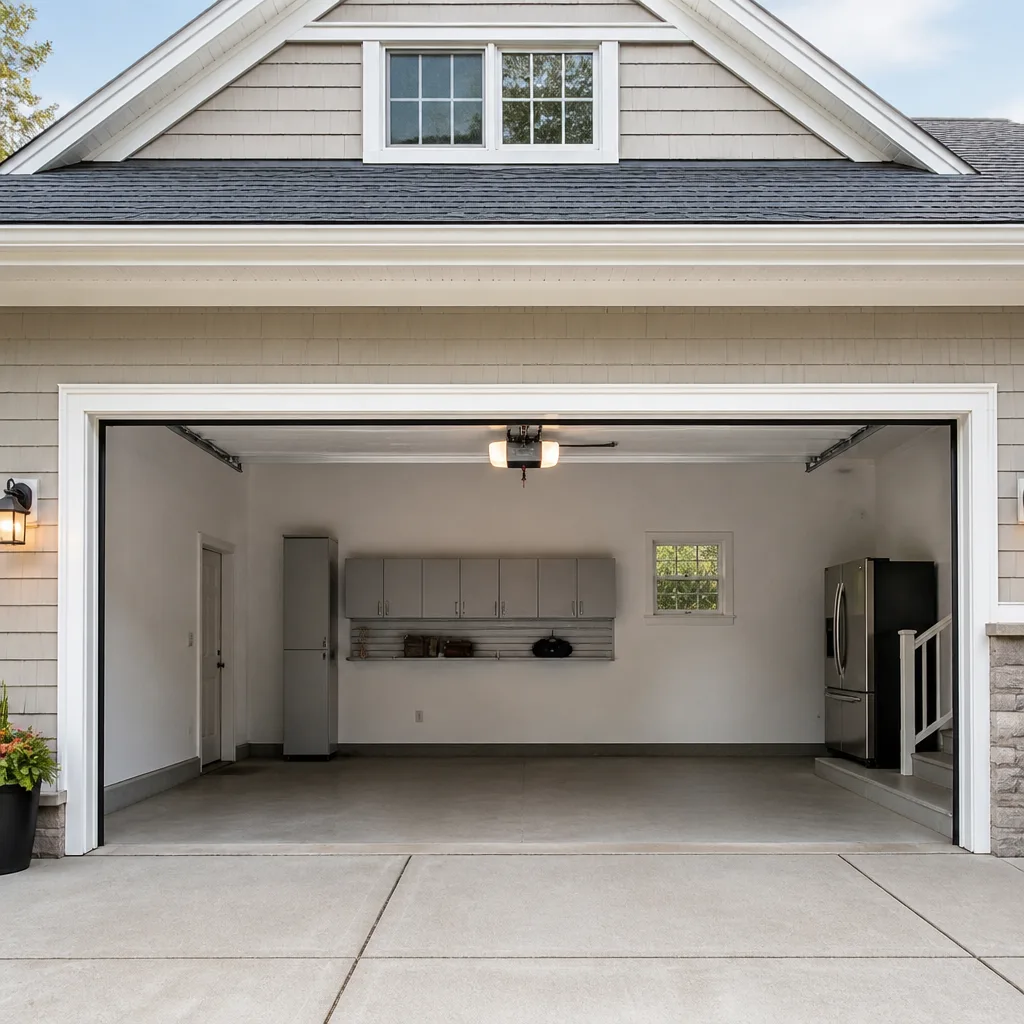 LiftMaster openers
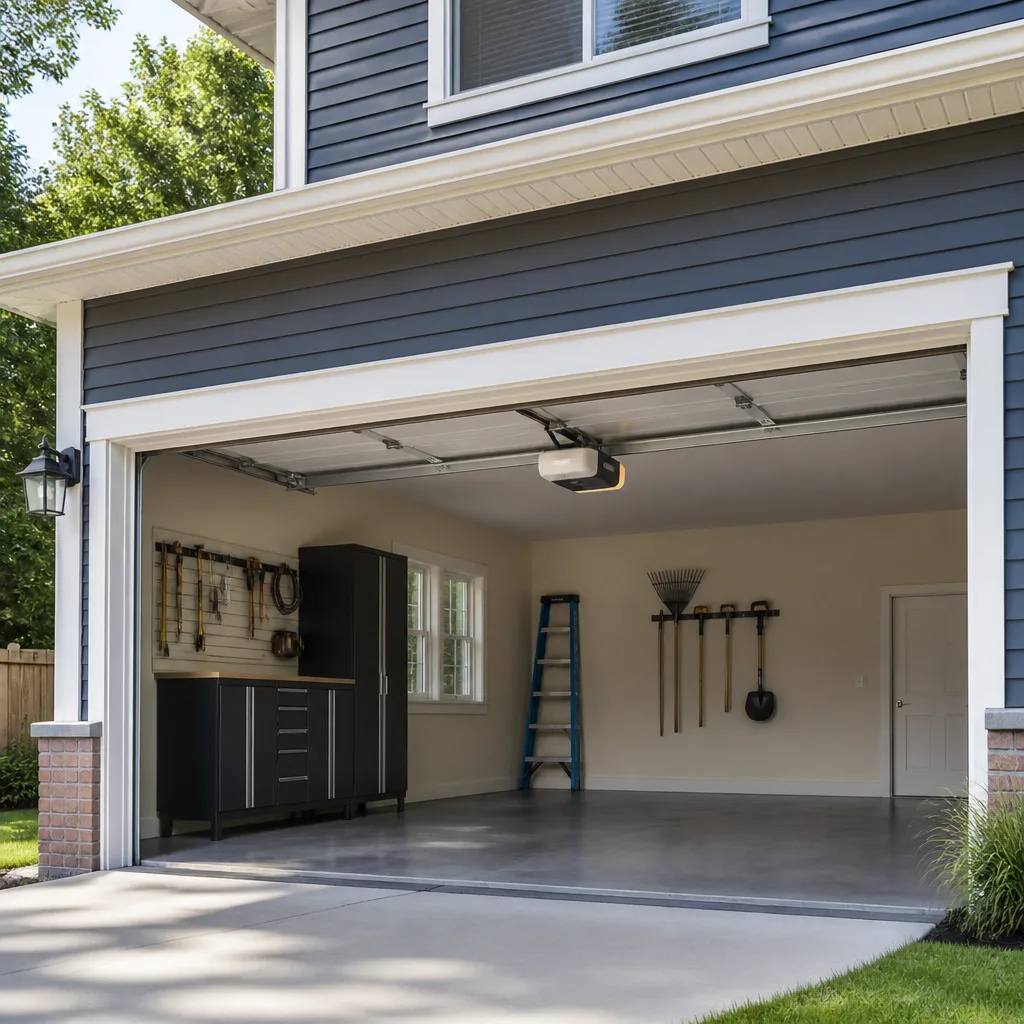 Chamberlain openers
Full 25-point door and opener safety check with every visit - springs, cables, rollers, tracks, and your LiftMaster or Chamberlain opener included
You get a price before we start. It does not change when the pro arrives.
Get your free estimateGarage Door Repair Maintenance Checklist for Lakewood Homeowners
Most garage door maintenance checklists are written for a national audience, and that’s the problem. They treat every door the same, which means they miss the failures that actually show up in Lakewood service calls. Humidity, freeze cycles, and sandy soil all stress a garage door in specific ways, and a generic ten-point list won’t catch any of them. So we built this one around the failure modes we see most in Lakewood homes, ranked by how often and how expensively they bite local homeowners. You’ll learn what to check, when to check it, and exactly where to stop and hand off to a technician.
Quick Answer
A working garage door maintenance routine in Lakewood comes down to five habits: lubricating the right metal-on-metal points (not the whole door with WD-40), testing the bottom seal before the first freeze, looking over the springs without touching them, checking track alignment for movement, and splitting tasks into quarterly and annual lists. Twenty minutes of the right checks prevents most of the breakdowns that bring a garage door down.
Styles & brands we work with
- Raised-panel steel
- Carriage house
- Modern flush
- Full-view glass
- LiftMaster openers
- Chamberlain openers
Table of Contents
- Why a Lakewood Maintenance Checklist Looks Different
- The Lubrication Points That Corrode Fastest in Lakewood Humidity
- Testing Bottom Seal Integrity Before Winter
- Torsion Spring Visual Inspection: Where Self-Checking Stops
- Track Alignment Checks for Homes on Lakewood’s Sandy Substrate
- The Quarterly vs. Annual Task Split
- Opener and Remote Checks Most People Skip
- Your Printable Maintenance Checklist
Why a Lakewood Maintenance Checklist Looks Different
A checklist written for a mild, dry climate doesn’t fit a town with humid summers and hard freeze cycles. Lakewood sits on sandy, well-drained soil that moves differently than the clay-heavy ground many national guides assume. That combination shapes what fails and when. Humidity drives corrosion on exposed metal. Freeze-thaw cycles at the bottom seal let water and cold air into the garage. Foundation movement nudges tracks out of alignment faster than most homeowners expect.
We’re a repair-first company, not a big-box installer pushing one product line. We work on whatever is hanging in your garage, from a well-worn Craftsman opener to a newer Wayne Dalton door, and the failure patterns we see across Lakewood are consistent. The checklist below reflects those patterns rather than a generic template.
The other thing a Lakewood homeowner should understand is that garage door maintenance is not about polish and appearance. It’s about the moving parts that carry load: springs, cables, rollers, hinges, and tracks. Those parts wear at a predictable rate. When you check them on a schedule, you replace a worn roller before it seizes and eats a track, or you catch a fraying cable before it snaps. Catch problems early and the repair stays small.
If you’ve never done a maintenance pass on your own door, that’s normal. Most homeowners haven’t, because no one ever told them what to look at. This guide fixes that. Start with the quick answer above, then work through the sections in order. If you’d rather hand the whole thing to a technician, that’s what Marbury Garage Door Repair is here for.
The Lubrication Points That Corrode Fastest in Lakewood Humidity
The single biggest lubrication mistake is reaching for WD-40. It feels like the right tool because it’s what everyone has on the shelf, but WD-40 is a solvent and light penetrant, not a lasting lubricant. It thins out fast, attracts dust, and leaves metal dry again within weeks. In Lakewood’s humid summers, that cycle accelerates corrosion instead of preventing it. What you want is a purpose-made garage door lubricant, typically a white lithium grease or a silicone spray designed for metal-on-metal contact.
Lubricate these points quarterly, and be specific about where:
- Hinges: one drop or short spray at each hinge pivot, top and bottom of every hinge.
- Rollers: the bearing or stem inside each roller, not the outside of the wheel.
- Springs: a light spray along the coil of the torsion springs (never touch or unwind them; more on that below).
- Bearing plates: where the torsion bar passes through its center bracket.
- Track curve: the transition from vertical track to horizontal track, where rollers take the most pressure.
- Lock and handle: any manual lock or pull handle on old doors.
Skip the tracks themselves. They don’t need grease, and a greased track collects grit that grinds the rollers. Skip the opener rail too, unless the manufacturer specifies it. Humidity is the enemy here, and the right lubricant on the right points keeps rust off the pivot metal that takes the daily load. Doors in Lakewood that skip this simple habit are the ones whose hinges start squealing and seizing by late summer.
If you notice your door getting louder and jerky even after a proper lubrication pass, that’s a sign of a deeper wear issue. It might be time to look at garage door repair before a small fix turns into a track or panel replacement.
Testing Bottom Seal Integrity Before Winter
Your bottom seal does two jobs: it keeps weather out and it cushions the door’s closing impact so the opener doesn’t have to strain. In Lakewood, the seal takes a beating from summer humidity and then faces the hard freeze cycles of winter. A cracked or flattened seal lets cold air, moisture, and small pests into the garage. It also lets the door slam against the concrete without cushioning, which wears the opener and the door frame.
Test the seal with a simple visual and feel check, timed for late fall before the first hard freeze:
- Close the door and look at the seal line from inside. Any visible gap under the door means the seal isn’t making contact.
- Run your hand along the bottom of the seal. It should feel flexible and springy, not hard, brittle, or crumbly.
- Look for cracks, tears, or flattening where the seal meets the concrete.
- Check the ends. If the seal is pulling away from the door at either corner, cold air and water get in there first.
- Run the door down onto a sheet of paper or a thin towel. If you can pull it out easily, the seal isn’t clamping, and the door needs an adjustment or a new seal.
North-facing doors and doors shaded by trees dry out slower and tend to show seal damage first. If your seal is brittle or gapping, replacing it before winter is a small job that protects the door, the opener, and the garage contents. If the seal looks fine but the door still lets weather through, the problem may be with the limit setting on the opener, which is an opener issue rather than a seal issue.
Torsion Spring Visual Inspection: Where Self-Checking Stops
Torsion springs store enormous energy. That’s what lifts a heavy door, and it’s also why they’re the most dangerous component in the whole system. A homeowner can safely look at springs. A homeowner should never touch, unwind, or attempt to adjust them. The line between the two is clear, and crossing it is how people get seriously hurt.
Here’s a safe visual inspection you can do standing well back:
- Look at the coil. A healthy spring has even spacing between the coils. A spring with a visible gap or a stretched, irregular section has likely lost tension.
- Check for rust. Surface rust on the coil is common and not automatically a failure, but heavy rusting that pits the metal is a warning sign.
- Look for any broken coil or a spring that looks like it’s separated into two pieces. A snapped spring is unmistakable once you know what to look for.
- Listen. A loud bang from the garage with no other explanation is often a spring breaking.
- Watch the door’s behavior. If the door feels heavy when you lift it manually, sags on one side, or the opener strains to lift it, that points to spring trouble.
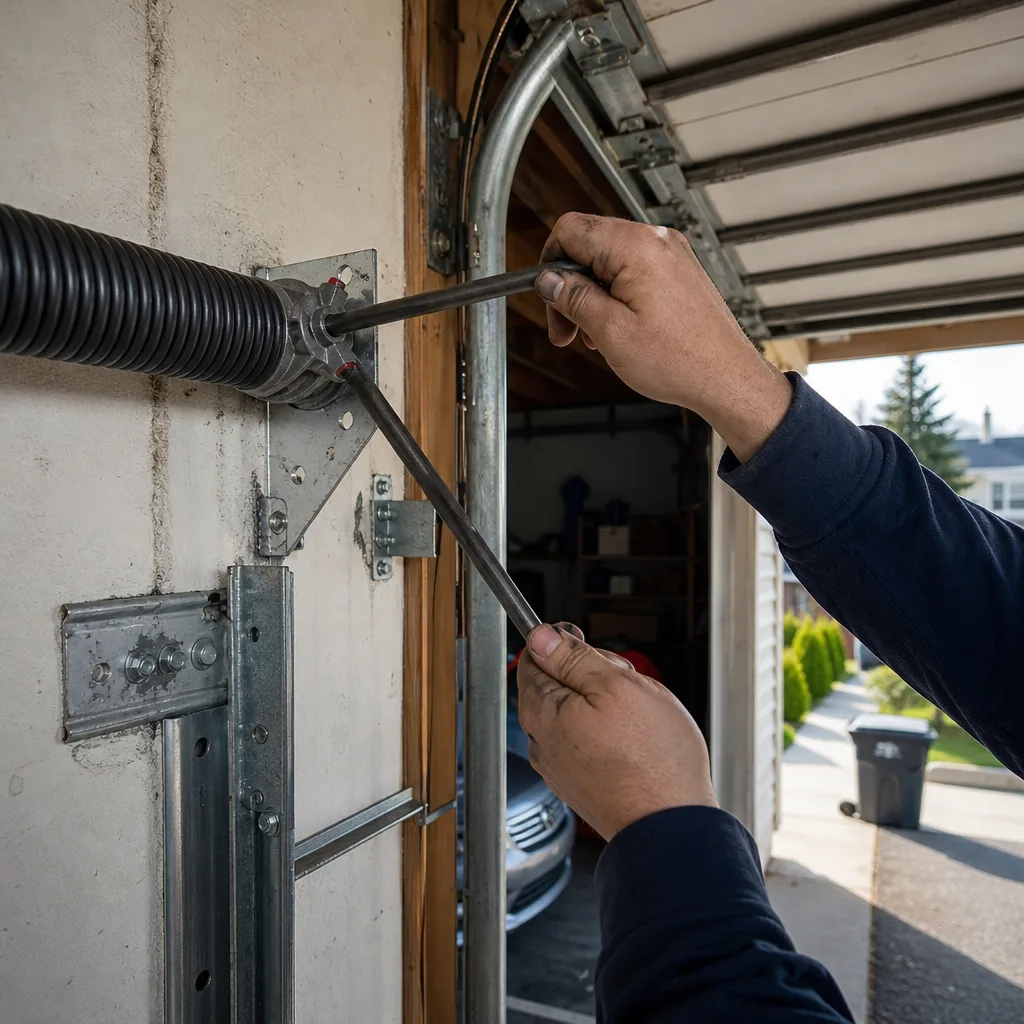
That’s where self-inspection ends. Do not use winding bars. Do not try to loosen the tension. Do not put your hands anywhere near the springs, cables, or the shaft they wrap around. Springs are a job for trained technicians with the right tools, and this is one of the high-risk repairs we handle routinely. If you suspect a spring issue, keep the door closed and call for garage door spring repair.
Track Alignment Checks for Homes on Lakewood’s Sandy Substrate
Tracks should be parallel, straight, and evenly spaced from top to bottom. When they’re not, rollers bind, the door drags, and the opener works harder than it should. In Lakewood, track alignment deserves more attention than the national checklist gives it because the ground shifts. Sandy, well-drained soil behaves differently under a slab than the clay-heavy soil many homes elsewhere sit on, and foundation movement shows up first in the things bolted to the wall: garage door tracks.
Check track alignment a few times a year, and always after a stretch of heavy rain or a freeze-thaw cycle:
- Stand inside the garage and look up each track. It should look straight from bottom to top and parallel to its partner on the other side.
- Check the gap between the track and the door edge. It should be even along the full height. If it narrows or widens, the track has moved.
- Look at the brackets. Any loosened bracket or a gap between the bracket and the wall means the track has shifted.
- Watch the door travel. If the door shudders, pops, or hesitates at a specific height, a track is likely out of line at that point.
- Look for a track that’s bent or kinked, often near the curve at the top.
A slightly misaligned track can be adjusted. A bent or badly shifted track is a repair, and trying to force a door through a bad track can damage rollers and panels. If you see movement, get it looked at before a small adjustment becomes a track and roller replacement.
The Quarterly vs. Annual Task Split
A maintenance checklist is only useful if it fits into real life, so here’s the split we recommend to Lakewood homeowners. Quarterly tasks are quick, done in twenty minutes, and catch wear before it spreads. Annual tasks are the deeper checks that need better weather and a bit more time.
Quarterly (every three months, twenty minutes):
- Lubricate hinges, rollers, bearing plates, and the track curve.
- Test the safety reverse (see the opener section below).
- Visually inspect springs for gaps, rust, or breakage (look, don’t touch).
- Look at track alignment and check brackets.
- Wipe down the photo-eye lenses and clear anything blocking the beam.
- Test the manual release to make sure it works.
Annual (once a year, in fall before winter):
- Test the bottom seal and replace it if brittle or gapped.
- Check the door balance: disconnect the opener and lift the door halfway. It should stay put on its own.
- Inspect cables for fraying, rust, or kinks (look, don’t touch).
- Look over the panels and frame for rust, loose hinges, or damage.
- Check the opener’s force settings and travel limits against the manual.
- Look over the door hardware for loose bolts and tighten as needed.
Do the annual pass before the first freeze. Lakewood winters punish anything that’s already wearing, and getting ahead of it is cheaper than fixing it in January.
Opener and Remote Checks Most People Skip
The mechanical door gets all the attention, but the opener is doing the daily work, and it needs a look too. Most homeowners never test the safety features, which is a problem because those features are the ones that protect people and pets.
Test the safety reverse every quarter. Put a piece of wood or a brick flat on the ground under the door and close the door. The door should reverse when it contacts the object. If it doesn’t, the force setting needs adjusting, and an opener that won’t reverse is a real safety issue. Test the photo-eye system by closing the door and waving a hand through the beam; the door should reverse immediately.
Remotes and keypads get overlooked until they stop working. Change the battery when the range drops or the LED dims. If you have a smart-compatible opener, check that its app connection still works after any router change. A LiftMaster or Chamberlain opener with smart features is only useful if the connection is alive when you need it.
If your opener is straining, making grinding noises, or reversing for no reason, that’s a sign of trouble worth looking at. Our garage door opener repair service covers everything from a force-setting adjustment to full opener replacement, and we work on your brand rather than steering you toward a preferred product line.
Your Printable Maintenance Checklist
Print this, tape it inside the garage, and tick the boxes as you go. It’s built around the failures we see most in Lakewood, in the order that catches them earliest.
Every three months:
- Lubricate hinges, rollers, bearing plates, track curve. (White lithium or silicone, not WD-40.)
- Look at springs for gaps, rust, or breakage. Do not touch.
- Look at track alignment; check brackets.
- Wipe photo-eye lenses; clear the beam path.
- Test safety reverse with an object on the floor.
- Test the manual release.
Once a year (fall):
- Test the bottom seal; replace if brittle or gapped.
- Check door balance with the opener disconnected.
- Inspect cables for fraying or kinks. Do not touch.
- Look over panels, frame, and hardware for rust and loose parts.
- Check opener force and travel settings against the manual.
- Replace remote and keypad batteries.
If any check turns up a problem you can’t safely resolve, that’s the moment to call. A quick call now saves a much bigger repair later.
Common Mistakes to Avoid
- Using WD-40 as a lubricant. It’s a solvent, not a lasting grease, and in Lakewood’s humid summers it leaves the pivot metal dry and rusting. Use a purpose-made door lubricant.
- Trying to fix springs yourself. Springs store dangerous energy. Visual inspection only. This is the one part of the checklist you should never take past looking.
- Greasing the tracks. Greased tracks collect grit, and grit grinds rollers. Wipe them clean and keep them dry.
- Ignoring the bottom seal until it’s freezing. A brittle seal fails exactly when weather is worst. Test it in fall before the first freeze hits Lakewood.
- Skipping the safety reverse test. It’s the safety feature that protects people and pets, and it’s a thirty-second check most homeowners never do.
- Forcing a door through a bent or shifted track. That turns a small track adjustment into damaged rollers and panels.
- Assuming the door is fine because it still opens. A door that opens every day can be quietly wearing a hinge, a roller, or a spring. The checklist catches wear before the breakdown.
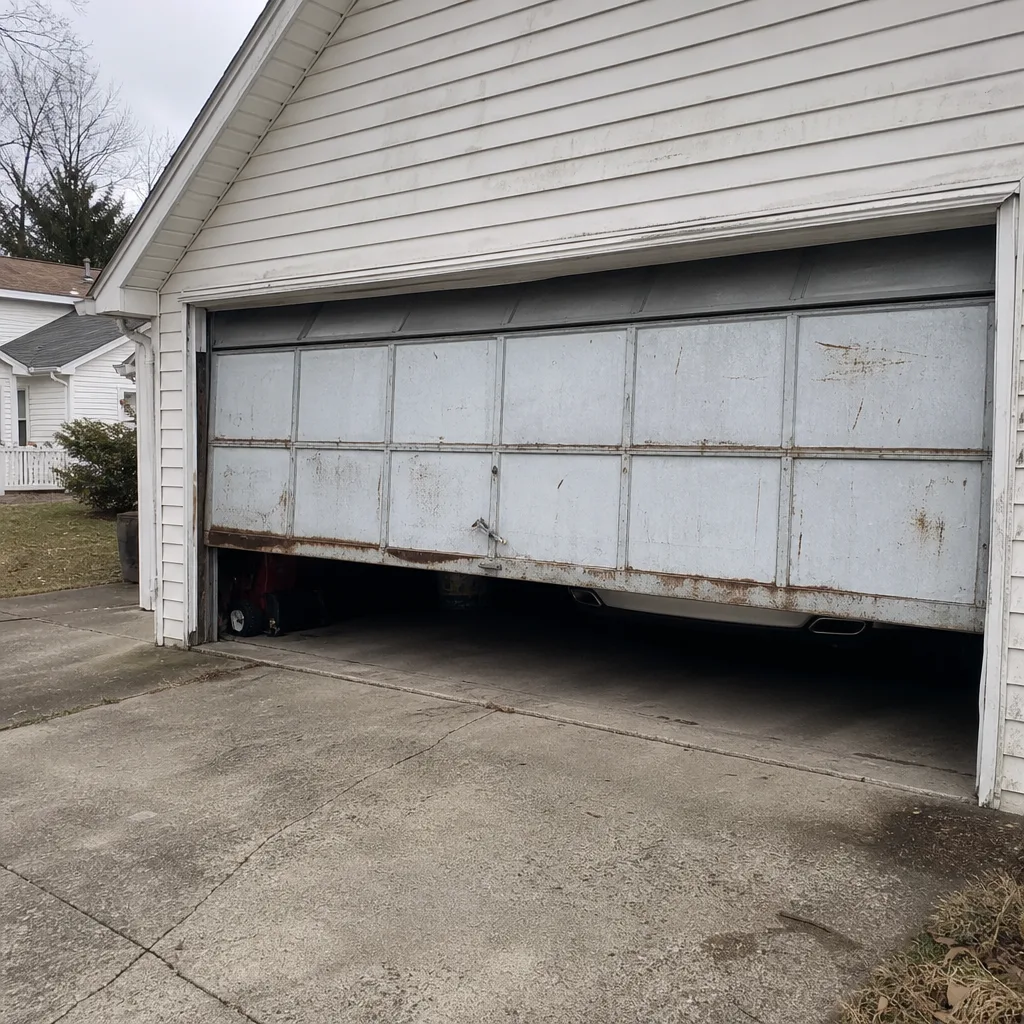
See the difference
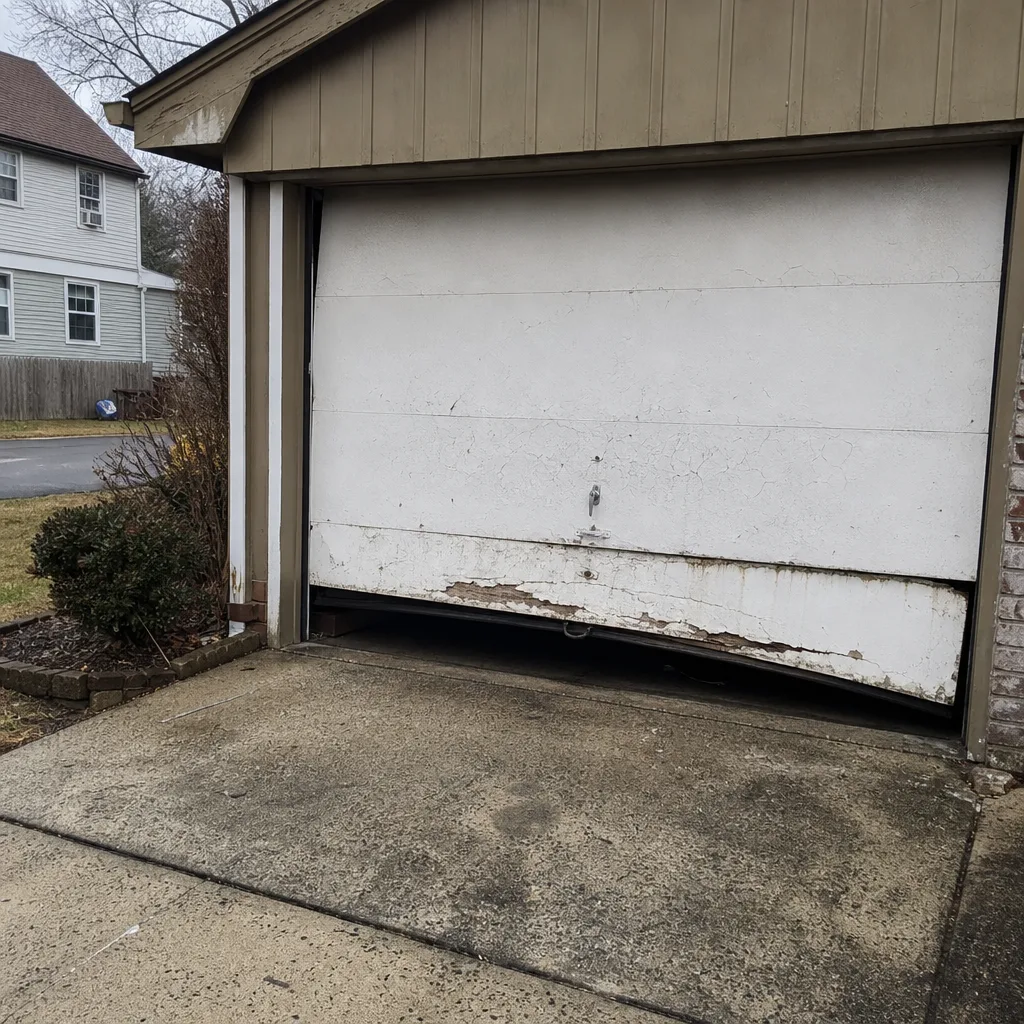 Before
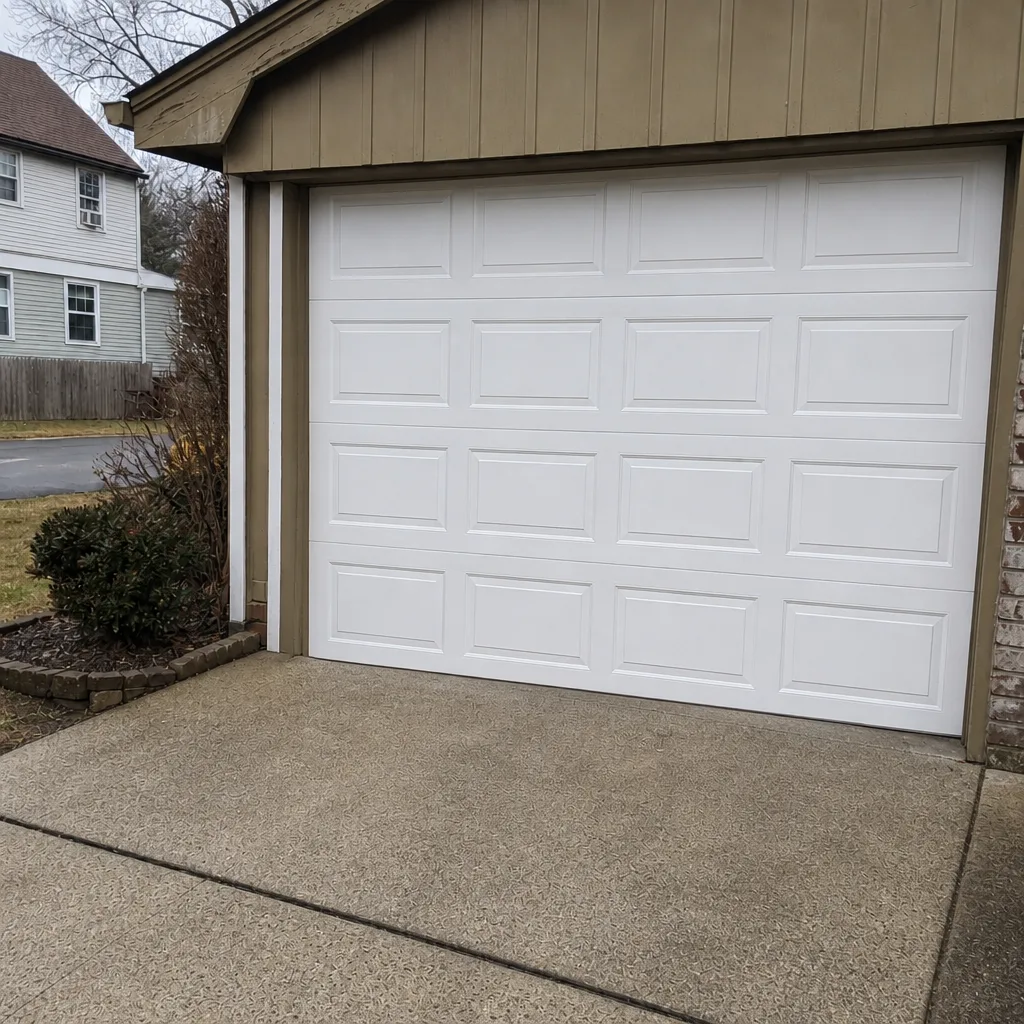 After
 Before
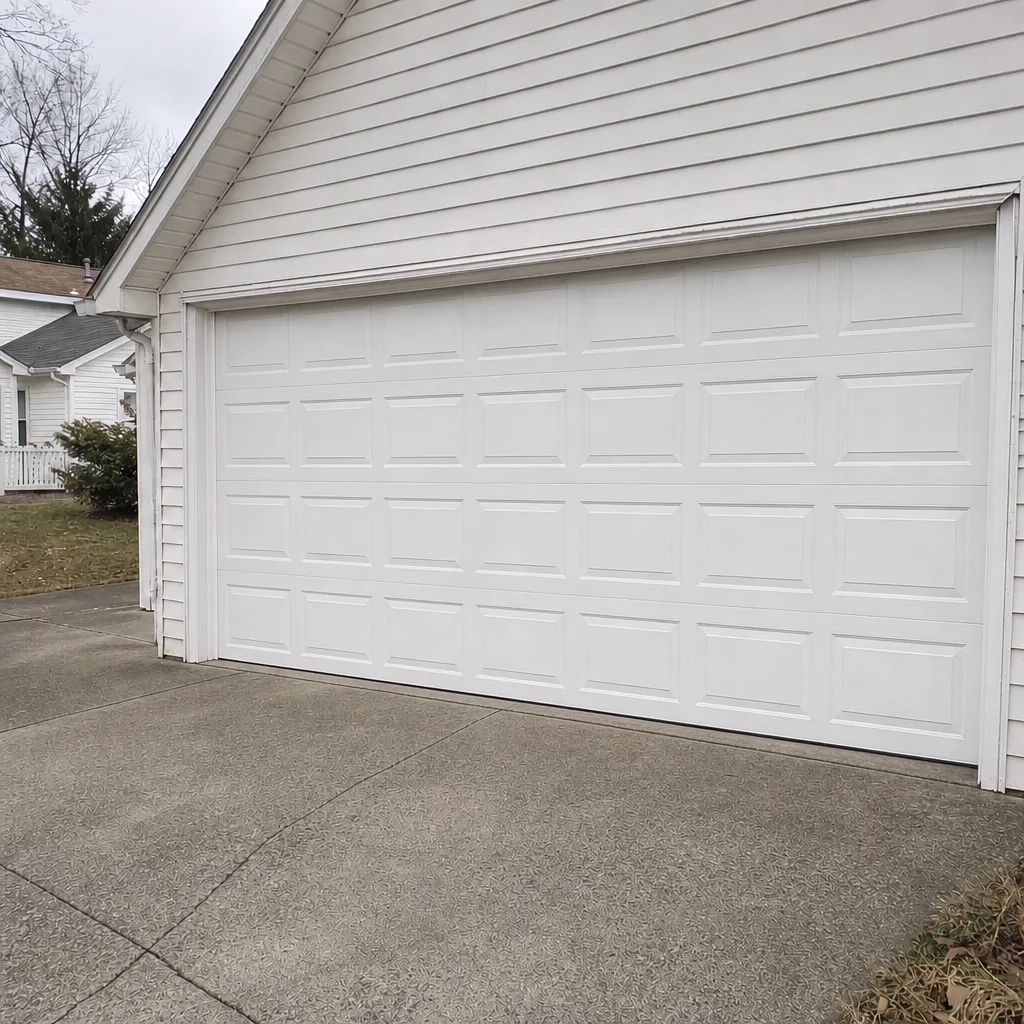 After
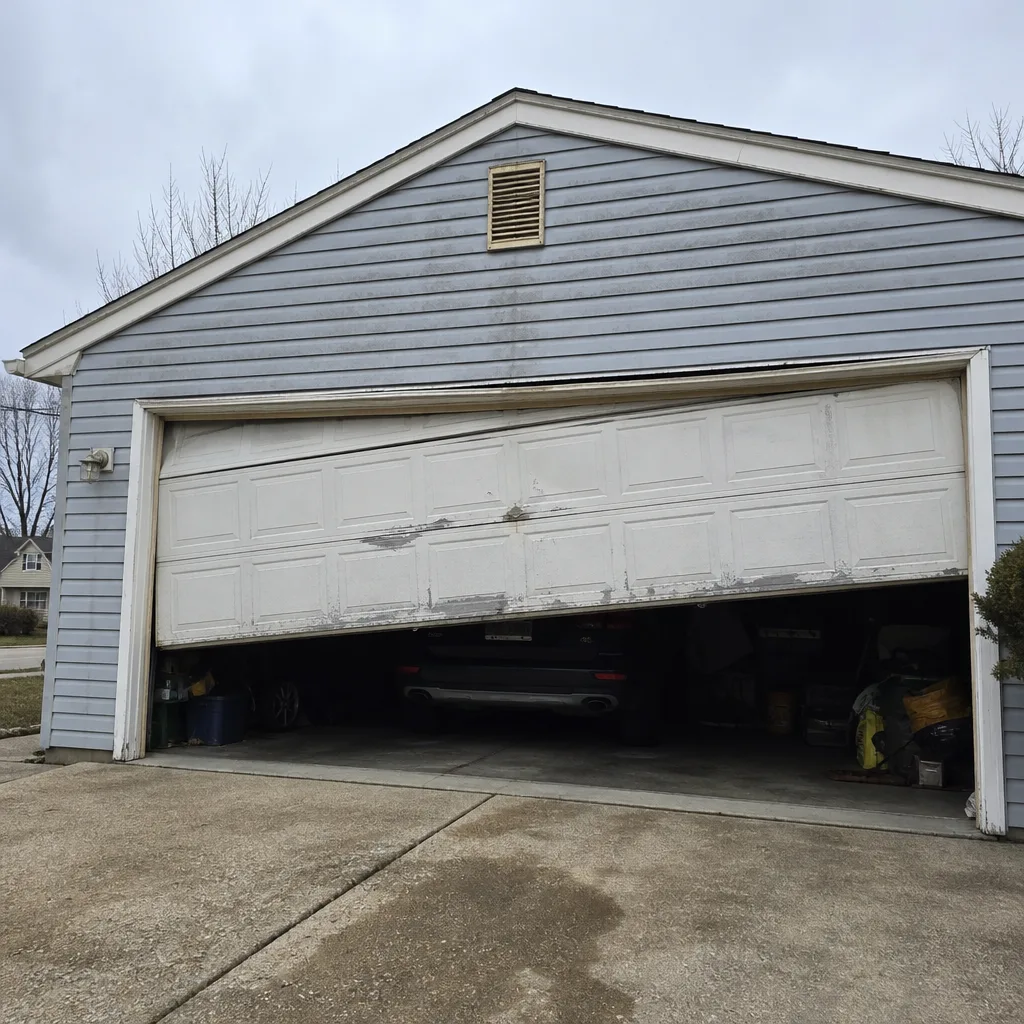 Before
 After
When to Call a Professional
Call a professional for anything involving springs or cables, any time the door won’t close fully or reverses for no reason, and any time you see track movement or frayed cables. These are the jobs that get dangerous when tackled without the right tools. Also call if the door is out of balance, the opener strains or grinds, or a panel or hinge is loose enough to need a second set of trained hands. Marbury Garage Door Repair offers free estimates in Lakewood – call (877) 239-9718. We answer 24/7, and fast dispatch runs from 7am to 7pm, Sunday through Friday. Our technicians have up to 12 years of experience and work on whatever brand is on your door, from a LiftMaster opener to a Raynor door.
Frequently Asked Questions
Every three months is the right rhythm for Lakewood. The humid summers speed up corrosion on the pivot metal, so quarterly lubrication keeps the hinges, rollers, and bearing plates from seizing. Use a purpose-made white lithium or silicone lubricant, never WD-40, which thins out and attracts dust. If your door gets loud or jerky between passes, it may need more than lubrication. Call (877) 239-9718 for an exact quote – estimates are free.
Yes, as long as you only look and never touch. A visual inspection from a safe distance is fine: check for gaps in the coil, heavy rust, breakage, and a door that feels heavy or sags. Do not use winding bars, do not try to adjust tension, and do not put your hands near the springs or cables. If you see a problem, keep the door closed and call for professional spring repair.
Ground movement is the main cause. Lakewood’s sandy, well-drained soil shifts under the slab differently than the clay-heavy soil many national guides assume, and that movement shows up in the tracks bolted to the wall. Heavy rain and freeze-thaw cycles make it worse. Check track alignment a few times a year and after big weather swings, and get any movement adjusted before it damages rollers and panels.
Replace the seal when it’s hard, brittle, cracked, or gapping. Run your hand along it: it should feel springy, not stiff. Look for a visible gap under the closed door, cracks or tears along the base, and a seal that pulls away at the corners. Test it before the first freeze each fall, because a failed seal lets cold air and moisture into the garage and makes the opener strain on every close.
Yes, and that’s exactly when the checklist pays off. A door that opens every day can be quietly wearing a hinge, a roller, or a spring, and the checklist catches that wear before it turns into a breakdown. Most of the expensive failures we see started as something cheap that went unnoticed. The quarterly list takes about twenty minutes.
You can safely look, listen, test operation, and lubricate. Anything involving springs, cables, or adjusting track tension is technician territory. The rule is simple: if it carries stored force or holds the door up, look but don’t touch. When a check turns up a problem you can’t resolve safely, call Marbury Garage Door Repair at (877) 239-9718. We answer 24/7, and estimates are free.
The Bottom Line
Garage door maintenance isn’t a long list of chores; it’s a short list of the right checks done on a schedule. Lubricate the correct metal-on-metal points with the right product, test the bottom seal before Lakewood’s freeze cycles arrive, look over your springs without touching them, keep an eye on track alignment for movement from the sandy soil, and split the work into quarterly and annual passes. Do those things and most breakdowns never happen. Skip them and you’re relying on luck. When a check turns up something that needs a trained hand, that’s when to call Marbury Garage Door Repair at (877) 239-9718.
Written by the team at Marbury Garage Door Repair.